


Über die WSL 
Forschen für Mensch und Umwelt in einer Welt im Wandel 
Die Eidgenössische Forschungsanstalt für Wald, Schnee und Landschaft WSL entwickelt wissenschaftsbasierte Lösungen für Wald, Landschaft, Biodiversität, Naturgefahren sowie Schnee und Eis in einer Welt im Wandel. Als Forschungsanstalt des Bundes und Teil des ETH-Bereichs verpflichtet sich die WSL zu Spitzenleistungen in Forschung und Umsetzung zum Wohle von Natur und Gesellschaft.
Mission 
Als führendes Schweizer Forschungsinstitut für terrestrische Umweltsysteme betreibt die WSL auf nationaler und internationaler Ebene herausragende Forschung, die Natur und Mensch in der Schweiz und darüber hinaus zugutekommt. Wir befassen uns mit den globalen Herausforderungen, die sich aus der veränderten Landnutzung, dem Klimawandel, dem Verlust der biologischen Vielfalt, den veränderten biogeochemischen Kreisläufen und der Urbanisierung sowie aus deren Wechselwirkungen ergeben. Damit ist die WSL in der Lage, wissenschaftlich fundierte, nachhaltige Lösungsansätze zu entwickeln, die sowohl der Umwelt als auch der Gesellschaft dienen. Wir tun dies gemeinsam mit Partnerinnen und Partnern aus Forschung, Praxis und Öffentlichkeit, um umweltbezogene Entscheidungen und das öffentliche Handeln wirksam zu unterstützen. Um die zukünftigen Entscheidungsträgerinnen und Entscheidungsträgern auszubilden, engagieren wir uns in der Lehre und Weiterbildung zu terrestrischen Umweltwissenschaften. Durch ihre Aktivitäten und ihr Engagement in der Gesellschaft überbrückt die WSL die Kluft zwischen Wissenschaft und Politik und trägt zu einer nachhaltigen Zukunft bei.
Alleinstellungsmerkmale der WSL 
Die WSL forscht mit dem Ziel, konkrete, auf Fakten basierende Informationen für die Politik und die Praxis bereitzustellen:
-
Die WSL ist das führende Institut für lösungsorientierte terrestrische Umweltforschung in der Schweiz.
-
Die WSL ist die wichtigste Anlaufstelle für Fragen zur terrestrischen Umwelt und zum Management von natürlichen Ressourcen und Risiken.
-
Die WSL erbringt für die Schweiz wichtige nationale Dienstleistungen in den Bereichen Wald, Landschaft, Biodiversität, Naturgefahren sowie Schnee und Eis.
-
Die WSL ist führend bei Langzeitstudien sowie beim Monitoring und bei der Modellierung von Umweltsystemen. Sie entwickelt und unterhält einzigartige Infrastrukturen und Datenbestände.
Mission und Strategischer Ausblick 2025-2028 (in Englisch) 
WSL-Strategie 2035 
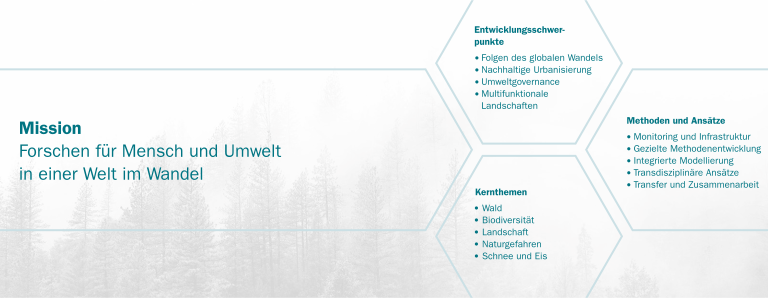
Im Zentrum der Arbeit der WSL stehen gemäss der WSL-Strategie 2035 Forschung, Wissensvermittlung und Dienstleistungen zu den Themen Wald, Landschaft, Biodiversität, Naturgefahren sowie Schnee und Eis. Auf dieser Expertise in terrestrischer Umweltforschung bauen ihre vier Entwicklungsschwerpunkte auf:
- Folgen des globalen Wandels: Mitigation und Adaptation
- Nachhaltige Urbanisierung für lebenswerte Städte
- Umweltgovernance
- Multifunktionale Landschaften und Ökosysteme
Die interdisziplinären Schwerpunkte sind auf gesellschaftlich relevante und wissenschaftlich vielversprechende Fragestellungen ausgerichtet. Mit ihnen leistet die WSL einen substanziellen Beitrag zur Bewältigung globaler Herausforderungen.
Download WSL-Strategie 2035 
-
WSL-Strategie 2035 2 MB
Seit ihren Anfängen berücksichtigt die WSL die Regionalität der Schweiz. So wurden bereits 1888 Versuchsflächen in unterschiedlichsten Wäldern eingerichtet, um mehr über deren (Holz-)Erträge zu erfahren. Heute betreut und beforscht die WSL über sechstausend Versuchs- und Forschungsflächen, darunter grosse Versuchsanlagen etwa zu Lawinen oder Murgang, Experimente über die Auswirkungen des Klimawandels auf den Wald oder Flächen, die von Naturereignissen wie Sturm oder Waldbrand betroffen sind.
Die WSL gliedert sich in Forschungseinheiten, Forschungsprogramme und Zentren und unterstützende Facheinheiten.
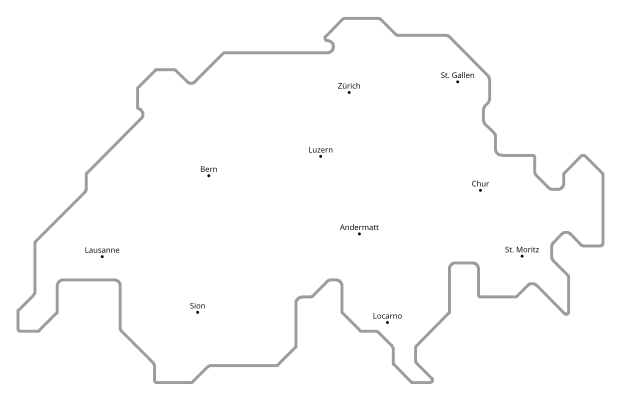
Die WSL ist ein Forschungszentrum des Bundes, gehört zum ETH-Bereich und beschäftigt rund sechshundert Mitarbeiterinnen und Mitarbeiter. Nebst dem Hauptsitz in Birmensdorf und dem WSL-Institut für Schnee- und Lawinenforschung SLF in Davos fördern Aussenstellen in Lausanne und Cadenazzo seit 1991 und in Sitten seit 1996 lokale Synergien und den Dialog mit der Praxis.
Adresse und Kontakt 
Eidg. Forschungsanstalt WSL
Zürcherstrasse 111
CH-8903 Birmensdorf
Tel.: +41 44-739 21 11
Unsere Telefonzentrale ist besetzt:
Montag bis Freitag von 8.00 bis 12.00 und von 13.00 bis 17.00 Uhr
Anfragen an die WSL via E-Mail:
- Allgemeine Anfragen: wslinfo(at)wsl.ch
- Medien, Newsletter: media(at)wsl.ch
- WSL-Mitarbeitende erreichen Sie unter vorname.nachname(at)wsl.ch; auf fast allen Internetseiten finden Sie die Namen der zuständigen Fachpersonen.
Weitere Informationen über die WSL 


Standorte 


Organigramm 
-
Organigramm 250 KB