| |
 |
|
|
| |
Aesculus hippocastanum L.
|
Horse Chestnut
|
Hippocastanaceae
|
| |
 |
| |
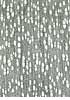
Transversal section |
|
|
| |
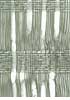
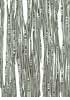
Diffuse- to almost semi-ring-porous. Pores solitary or in radial multiples of 2 to 5 (rarely more) pores. Thin-walled fibres. Growth ring boundaries weakly marked by a few (two to 3) rows of radially flattened latewood cells. Diffuse apotracheal parenchyma. |
|
| |
| |
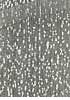
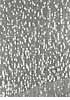
Radial section |
|
|
| |
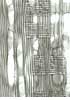
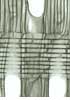
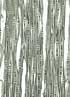
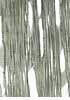
Simple perforation plates. Distinct fine spiral thickenings. Homogeneous rays. Enlarged ray-vessel pits, pits occasionally simple. Libriform fibres present, fibre-tracheids absent. |
|
| |
| |
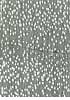
Tangential section |
|
|
| |
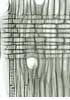
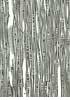
Rays uniseriate, average height 6 to 15 cells. |
|
| |
| |
Key characters |
|
|
| |
Diffuse-porous, pores often in radial multiples. Spiral thickenings. Uniseriate rays. |
| |
| |
Remarks |
|
|
| |
Confusion with Populus is possible, however ray-vessel pits are distinctly bigger in Populus and the spiral thickenings are absent. The species was introduced in the 16th century in western Europe. |
| |