

In the new WSL-Eawag Biodiversity Center, the two research institutes are joining forces to conduct joint research into the loss and protection of biodiversity on land and in water. The Center connects researchers and increases the visibility of WSL and Eawag biodiversity research in science and practice.
How do beavers affect biodiversity in water and on land? Do open water areas mitigate the effects of climate change on biodiversity in cities and urban areas? Researchers from WSL and Eawag have answered such questions in joint research projects in the past. To further strengthen this collaboration between the two research institutes, WSL and Eawag have founded the WSL-Eawag Biodiversity Center.
The Center, which is supported by both research institutes, aims to bring together scientists from WSL and Eawag, as well as the broader community of researchers and practitioners, in order to create synergies and increase the visibility of biodiversity research at both institutes. Its goal is to bring people together to exchange ideas and build cooperation between the two institutes. The joint Center emerged from the WSL Biodiversity Center, which was founded in 2020.
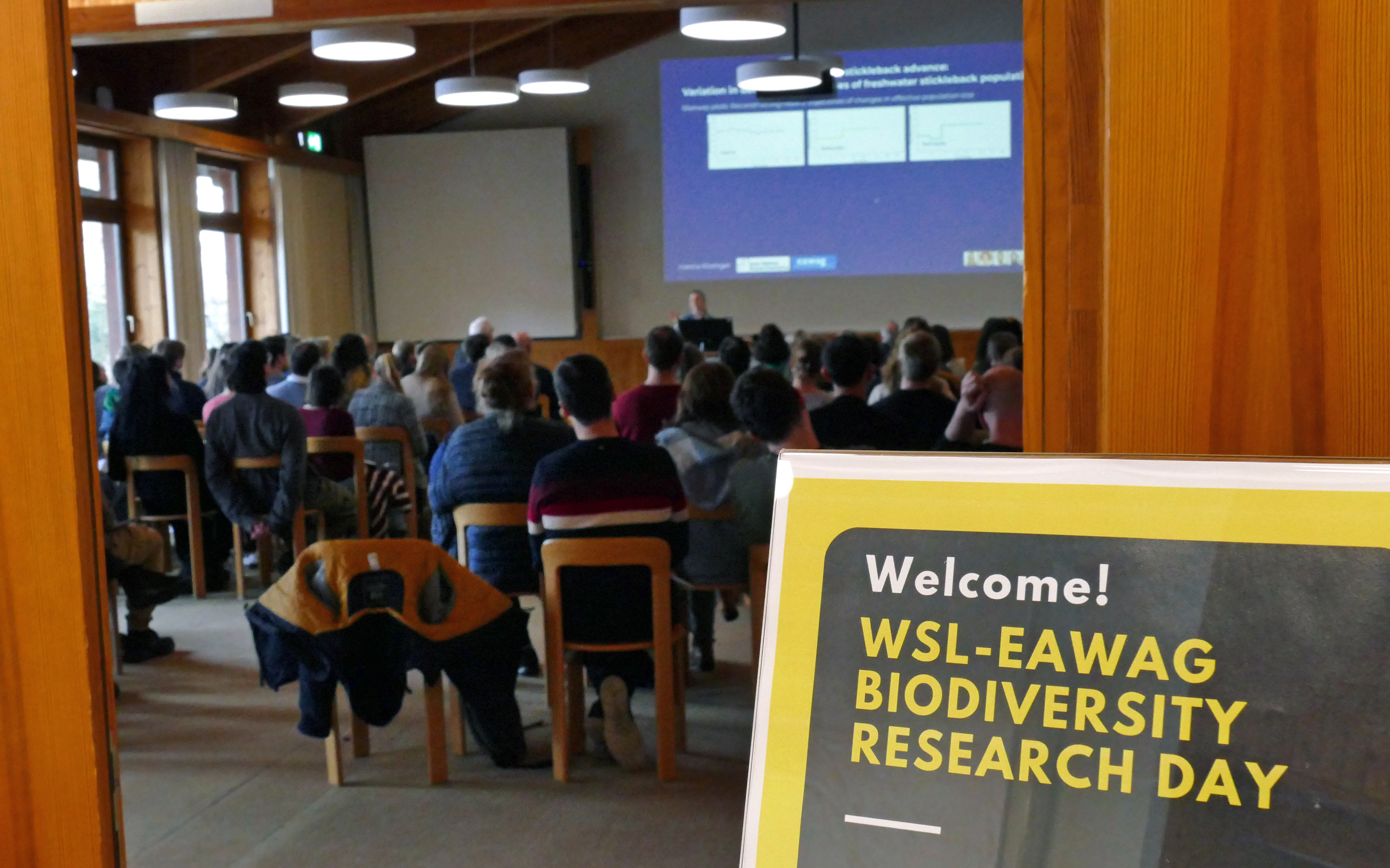
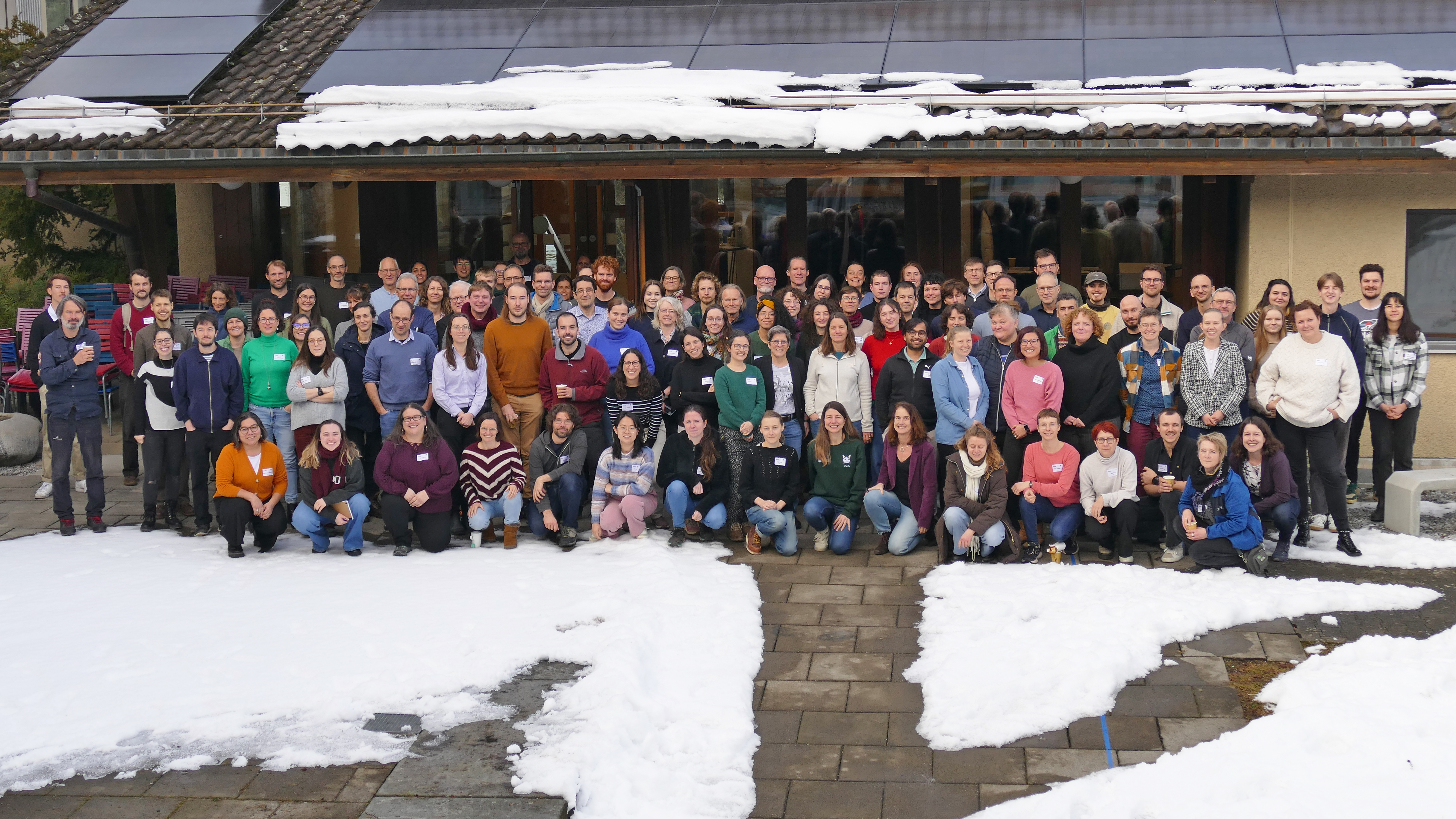
The official launch of the new Center was the jointly organised Biodiversity Research Day on 22 January at WSL Birmensdorf, where researchers from both institutes presented their ongoing work in the field of biodiversity. “I was really impressed by the active engagement of our biodiversity community and by the diverse contributions. It’s a very encouraging start for the new Center!”, says Blake Matthews, group leader at Eawag and Co-Head of the Biodiversity Center.
Close cooperation continues 
The two research institutes have been working closely together in the field of biodiversity for some time, for example in the joint research initiataive Blue-Green Biodiversity, in the organization of joint summer schools on blue-green biodiversity, and, more recently, in a biodiversity monitoring initiative (BiMo), which will develop new approaches such as environmental DNA, remote sensing and automated image analysis to improve the monitoring of terrestrial and aquatic biodiversity. The joint biodiversity Center is an important step towards closer cooperation between the two institutes.
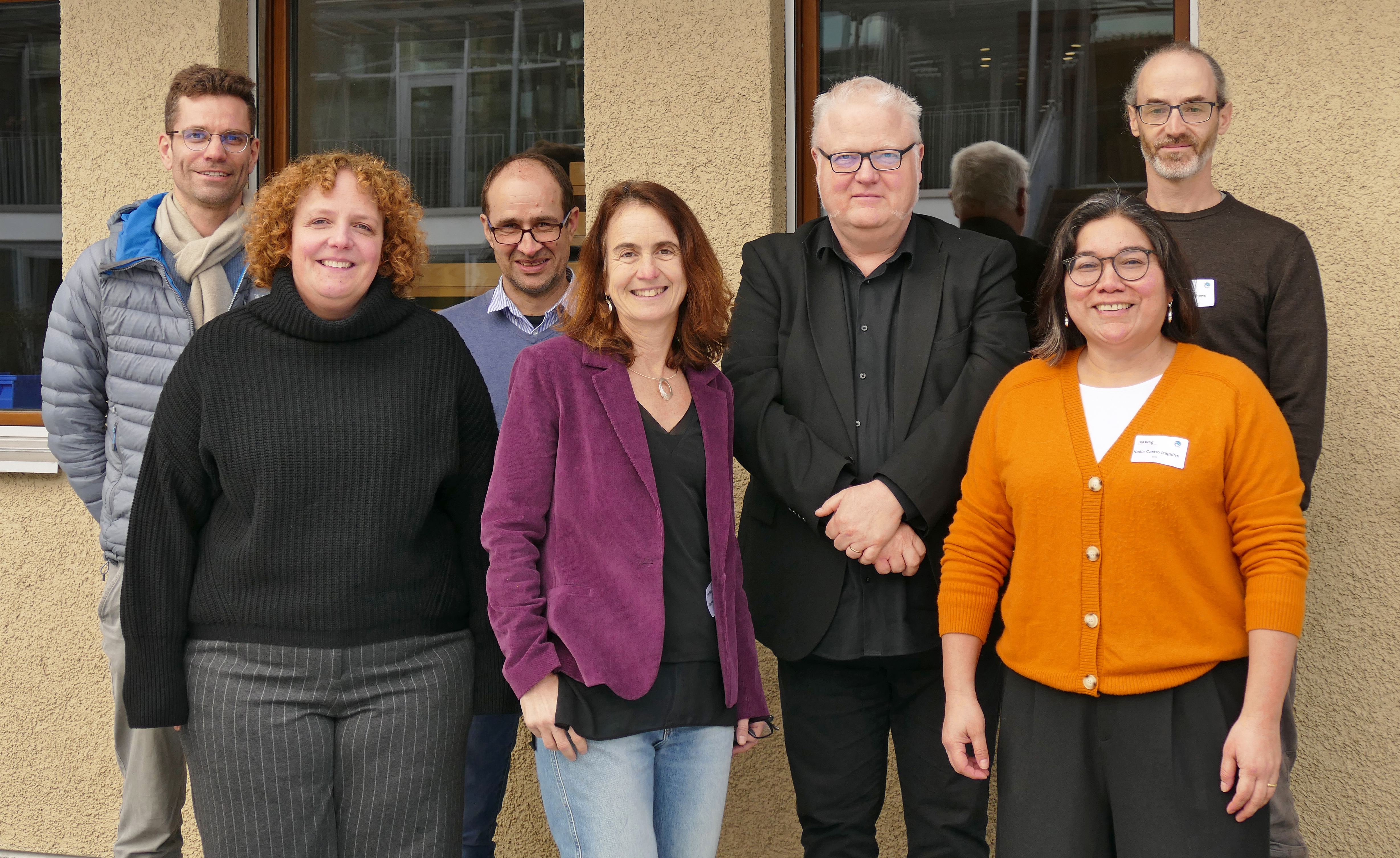
Catherine Graham (WSL) and Blake Matthews (Eawag) head the Center, while Nadia Castro coordinates its activities. The Center is supported by a steering committee comprising researchers from both institutions. Activities include Workshops, Summer Schools, an annual Biodiversity Symposium, and a Research Day, providing a diverse range of opportunities for engagement. In addition, the Center organizes a Biodiversity Seminar Series and a Journal Club.
The collaboration between the two research institutes advances biodiversity research in Switzerland. Many of the same patterns in biodiversity change are seen across different ecosystems on land and in the water, but there are also striking differences. “We can learn about common mechanisms of change, differences between ecosystems and useful tools or theories to study biodiversity. Integrated blue-green research has the potential to yield substantial new insight to manage biodiversity and associated ecosystems services in the future”, concludes Catherine Graham.
Contact 
Dr. Blake Matthews
Group leader
Fish Ecology and Evolution
Eco-Evolutionary Dynamics
blake.matthews(at)eawag.ch
+41 58 765 2120
Eawag Kastanienbaum
Copyright 
WSL and SLF provide image and sound material free of charge for use in the context of press contributions in connection with this media release. The transfer of this material to image, sound and/or video databases and the sale of the material by third parties are not permitted.