

02.10.2025 | Beate Kittl | WSL News
Birds in cities can help in the fight against invasive insects – but only if the tree population is large enough and native where possible. This was the finding of a study conducted by the Swiss Federal Research Institute WSL in Basel, Lugano and Zurich.
- Where at least 30% of the area is covered by tree crowns, significantly more insectivorous bird species live.
- Birds hunt more insects when there are more native than exotic tree species.
- Smart landscaping strengthens the role of birds in the fight against harmful insects – in line with goals for sustainable, liveable cities.
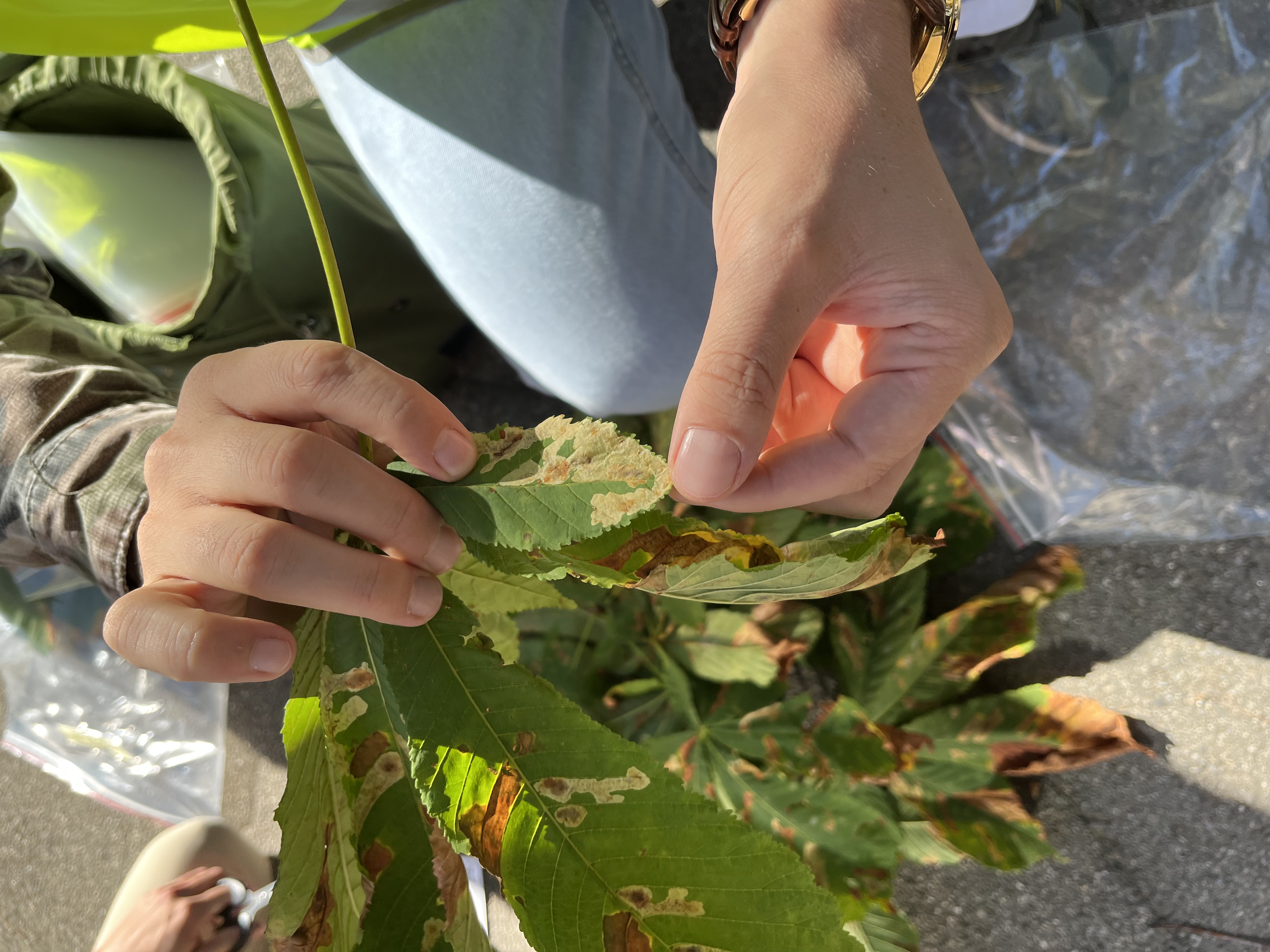
The number of introduced tree pests is increasing rapidly. They usually appear first in cities, because that is where the traffic of goods and people is most intense. From there, they can spread into the natural environment. When it comes to combating them, this is therefore the first place to start. Can insect-eating birds help and thus prevent the pests from spreading to the forest? What conditions do they need? WSL researcher Marco Basile investigated this in Zurich, Basel and Lugano. Zurich Airport, the Rhine port of Basel and Ticino, due to its proximity to the Italian Po Valley, are potential gateways for introduced species.
Caterpillars made from modelling clay 
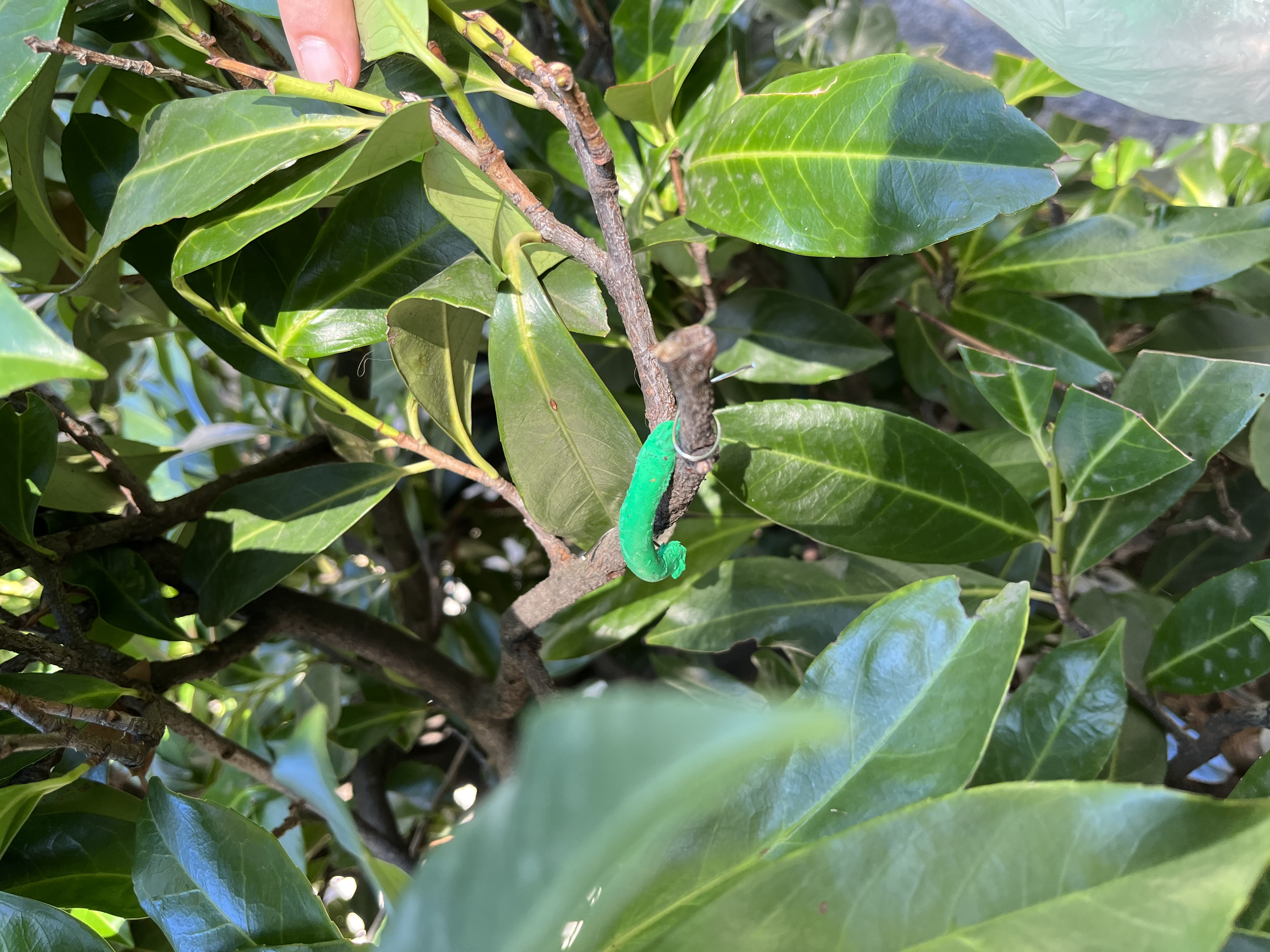
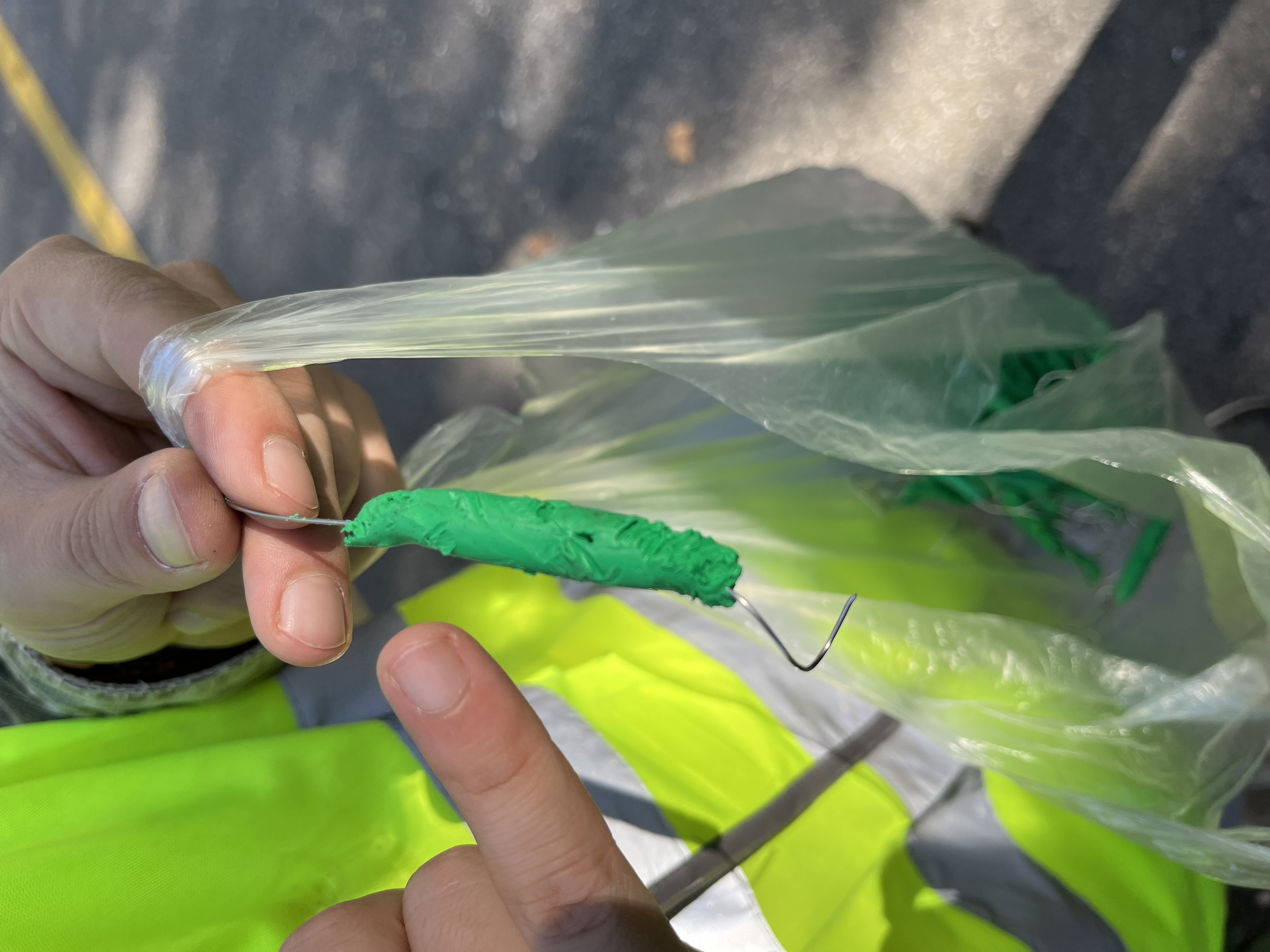
Basile looked at three types of location: urban parks and cemeteries, which are very similar to forests in terms of bird diversity and species; residential areas with lots of greenery; and densely populated city centres that are far from natural environments. He identified and counted the birds in these locations. He also studied the hunting activity of insectivorous birds. To do this, he used a common technique involving caterpillar dummies made from modelling clay and attached to trees and bushes. Every ten days, Basile checked which animals had tried to eat the caterpillars. Bird beaks, rodent teeth and insect leave traces that are easy to distinguish.
He used horse chestnuts and a specialised small moth, the horse chestnut leaf miner, as a practical example of invasive insects. This moth, which originates from the Balkans, eats its way through chestnut leaves, leaving behind typical feeding tunnels. It is well known that tits, for example, are good at picking the caterpillars out of the leaves. Basile examined several thousand chestnut leaves to see whether there were any caterpillar tunnels and whether birds had eaten the caterpillars.
Native trees needed 
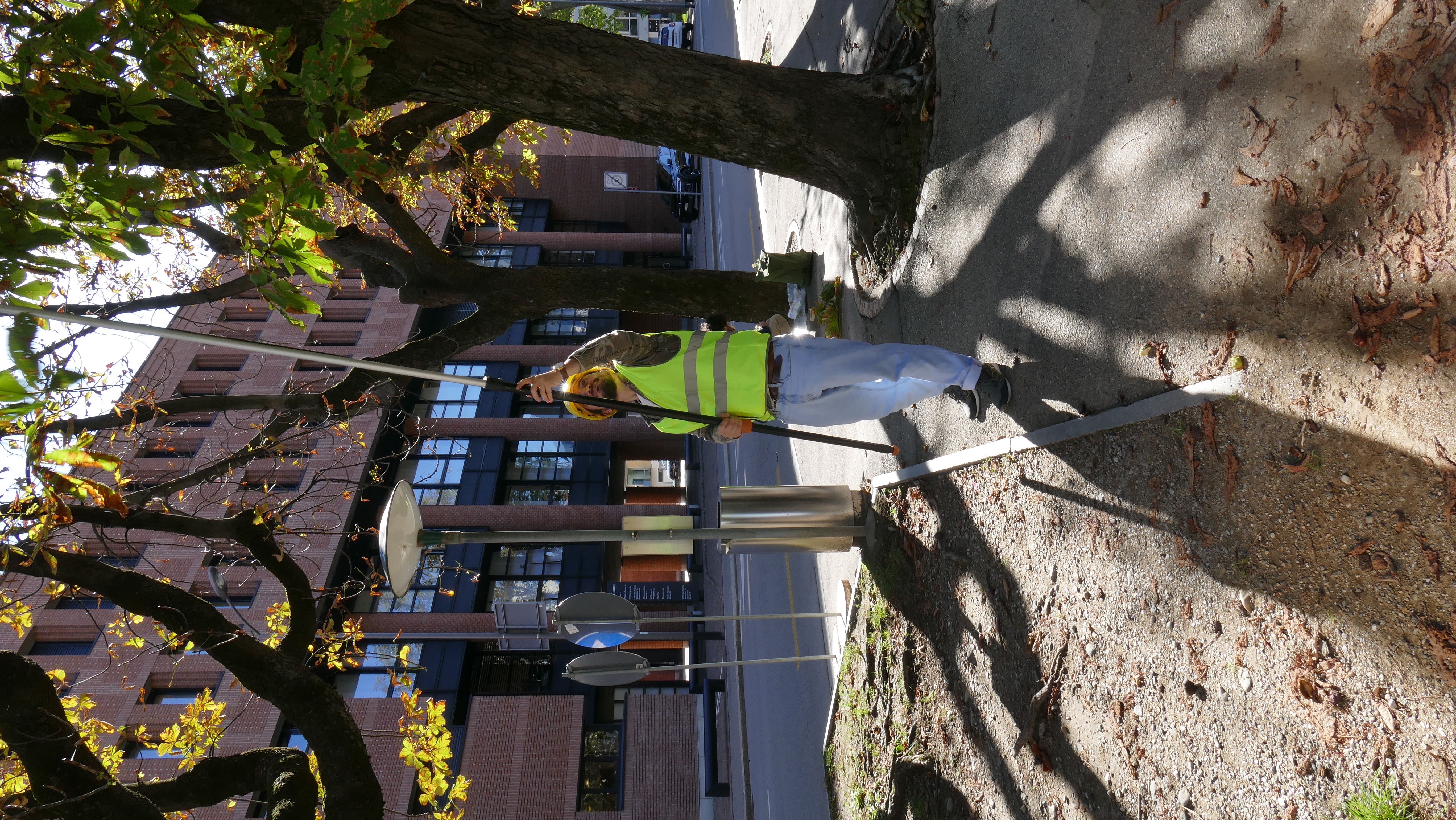
In fact, Basile and his co-authors found a greater diversity of insectivorous birds in areas with higher tree canopy cover. They also reported in the journal Biological Conservation that more attacks on the artificial caterpillars were recorded in these areas. However, this was only true when the proportion of native trees was high, i.e. maple, lime or black alder. When hunting the chestnut leaf miner moth, caterpillar density played a greater role than tree cover in attracting insectivorous birds. This can be explained by the fact that horse chestnut trees in cities often stand alone or in rows rather than in forest-like stands.
Basile is particularly intrigued by the finding that a certain threshold of tree cover is required to ensure that there are enough birds to be effective pest controllers. ‘With 30 per cent tree cover, we have a fairly high diversity of insect-eating birds,’ says Basile. This coincides with the benchmark of 30 per cent tree cover that has become established as a target in urban development. The aim is to promote human well-being and provide protection from heat. In Swiss cities, however, only villa districts with large gardens reach this threshold. ‘Our results now show that achieving this value on a large scale would also benefit natural pest control,’ says Basile. Planting shrubs around the empty spaces surrounding individual trees in avenues would already make a big difference.
Contact 
Publications 
Copyright 
WSL and SLF provide image and sound material free of charge for use in the context of press contributions in connection with this media release. The transfer of this material to image, sound and/or video databases and the sale of the material by third parties are not permitted.