

03.03.2026 | Anna Püntener | WSL News
Floodplains face increasing pressure: currently protected areas will not be sufficient to preserve the species living in them in the future, a review study conducted under the direction of the Swiss Federal Institute for Forest, Snow and Landscape Research (WSL) shows. According to the study, planning on a larger scale along river catchments is necessary to improve the connection between floodplains at the catchment level of rivers.
- Floodplains are species-rich but endangered habitats. With rapidly changing climatic conditions, their situation will become even more precarious in the future.
- A study by the WSL shows that today's protected areas will not suffice and additional areas should be included in conservation efforts.
- Auenschutzpark Aargau is an example for successful planning and conservation efforts.
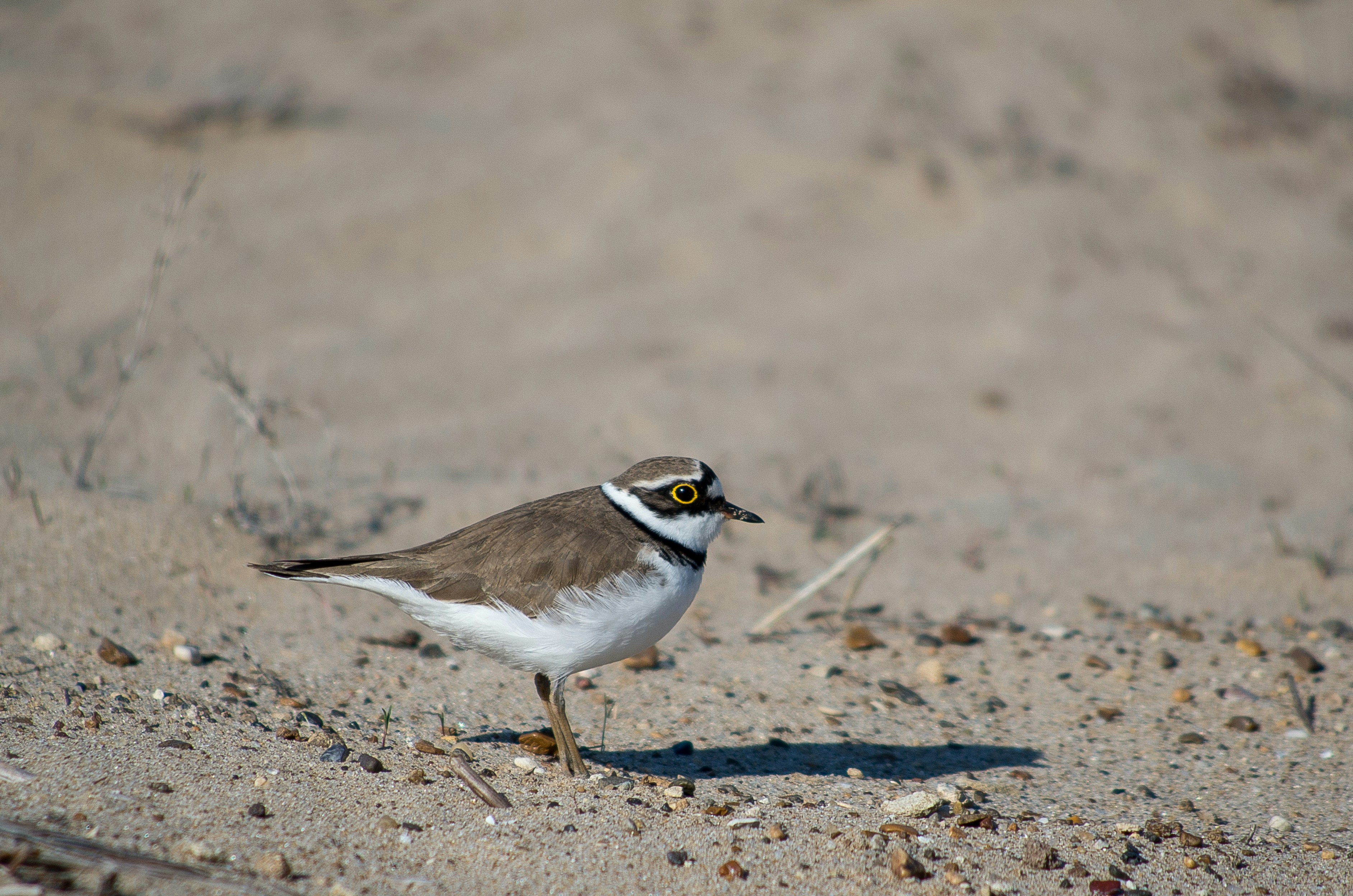
Floodplains are jewels of biodiversity, providing a habitat for endangered species such as Little ringed plovers, Common adders and specialised plants such as the German tamarisk. In Switzerland, these regularly flooded riverscapes have become scarce, as dams, weirs and straightening of rivers have caused many natural river courses to disappear. Although numerous restoration and conservation projects are underway, these efforts are threatened by climate change, according to a review study led by the WSL. For their study, the team of researchers compared species distribution with future conditions in today's floodplains.
Climate change impacts habitats in and around water most severely. They are threatened by an increase of droughts and declining water levels, but also by increasingly extreme flooding. Thus, areas that are protected today will no longer be suitable for floodplain species in a couple of years. However, new regions will emerge along the river catchment where, thanks to better conditions, new floodplains can develop.
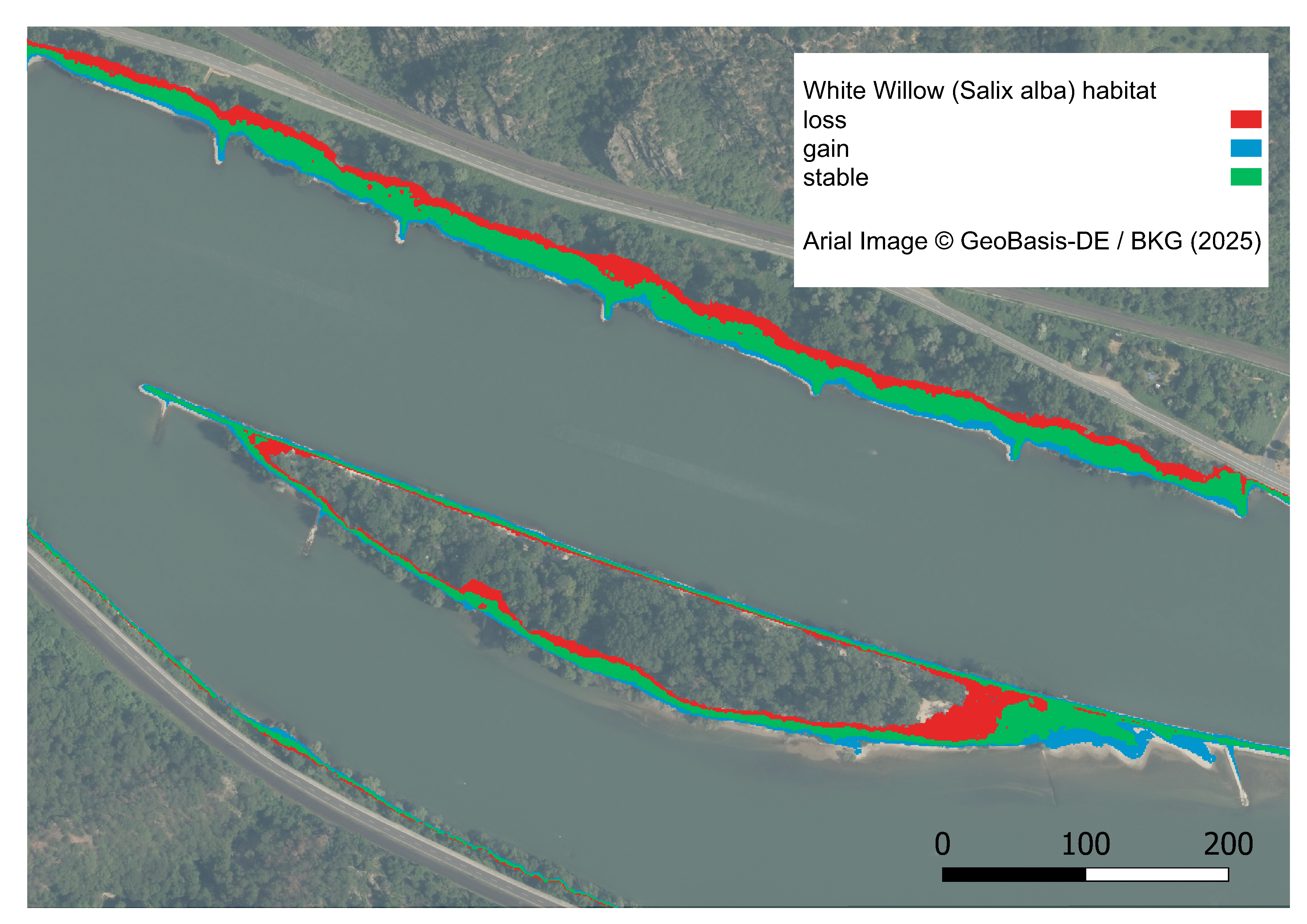
To understand where the valuable floodplain habitats might be located in the future, the researchers used several models. Applying an ecological model, they mapped the projected distribution of different species based on factors such as, for example for plants, temperature, slope of the embankment or soil conditions. Using a hydrodynamic model, they calculated other factors affecting riverscapes, such as potential zones of flooding and erosion. By combining the two models, the researchers were able to predict where floodplain species might occur in the future.
Improving the connectivity between floodplains 
The analyses show that, in the future, most of the current protected areas will no longer be as effective as they need to be. For example, many of them will become too dry or their banks will erode. They are also too small and not sufficiently connected longitudinally. This means that animals, plants and fungi cannot colonize new habitats because these are too far away or do not exist.
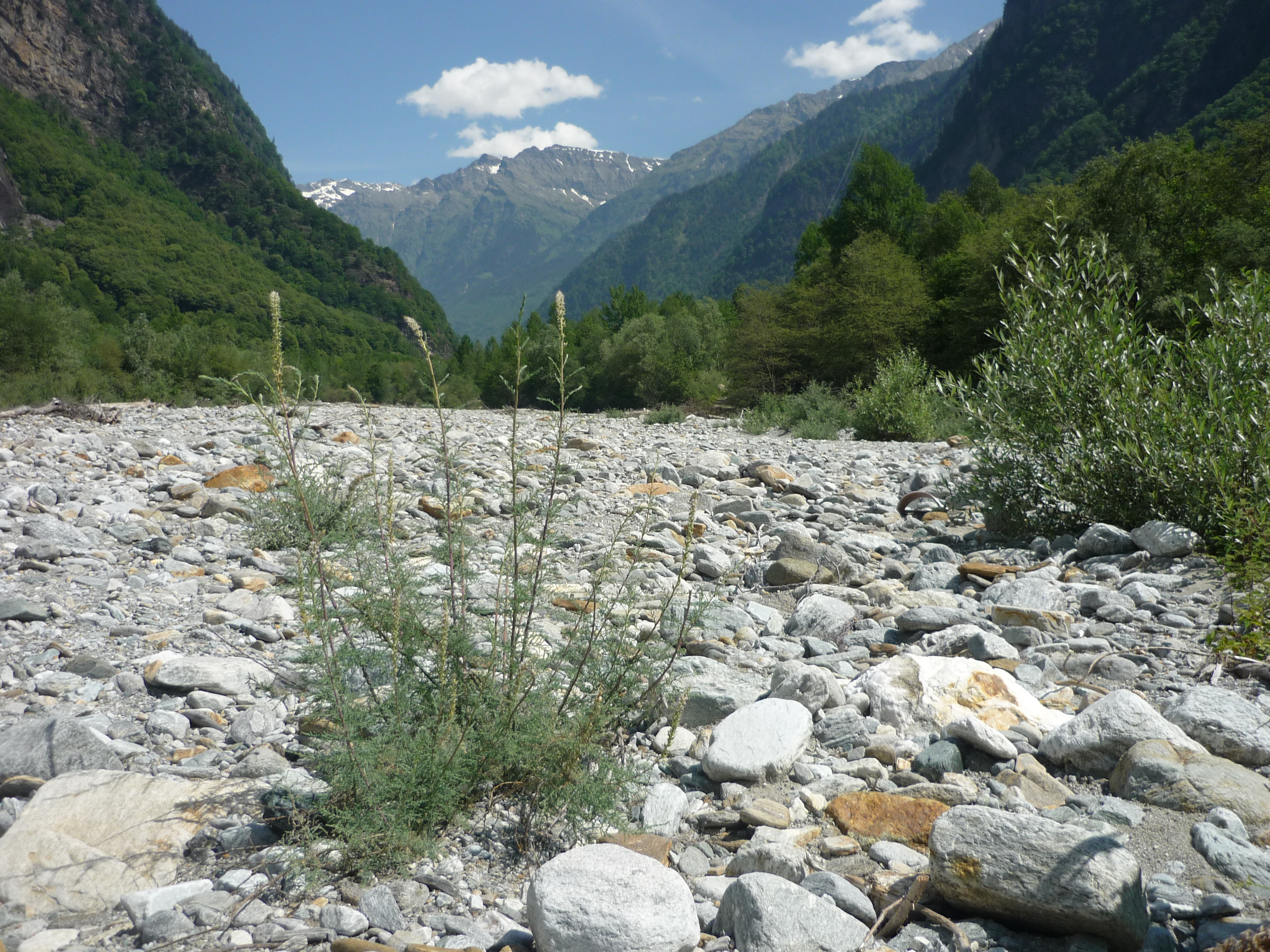
According to the researchers, it is imperative to protect existing floodplains to preserve as much habitat and biodiversity as possible. “Given the losses, every single floodplain matters,” says WSL ecologist Sabine Fink. She emphasises that the entire catchment areas of rivers need to be longitudinally connected. This is particularly crucial in densely populated Switzerland, as it would be unrealistic to restore rivers to their original state along their entire catchment. According to the ecologist, effective planning must also prioritize long-term considerations. “Not only must current floodplain areas be protected, but planning should also already include areas that may become floodplains in the near or far future. The aim is to connect these habitats with currently protected floodplain areas and thus preserve these threatened ecosystems.”
Auenschutzpark Aargau – a success story 
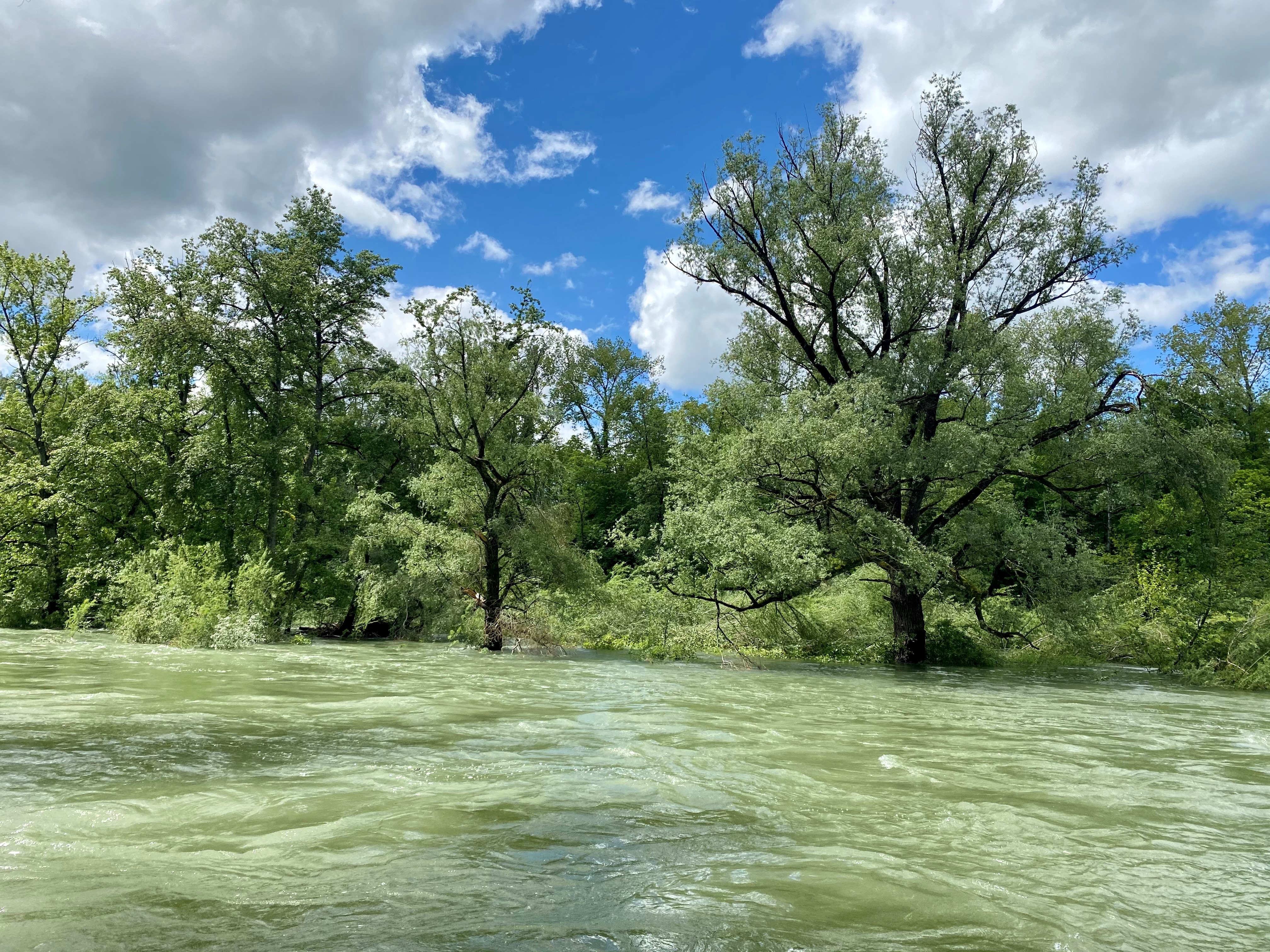
With the Auenschutzpark Aargau (Aargau Floodplain Conservation Park), canton Aargau demonstrates how even a densely populated canton can successfully protect species-rich habitats. The protected area, which has been protected under the cantonal constitution since 1994, encompasses floodplains and riverscapes. The park forms a network of several small areas along the rivers in the canton, allowing animals, plants and fungi to move between sites and aquatic and terrestrial habitats. Fink praises: “The Auenschutzpark is a good example for successful conservation. Smaller areas have been successfully connected.” This success can be measured: between 1999 and 2008, the number of beetles and amphibians in the floodplain conservation park increased significantly.
About the publication
The review study was published in a special edition of the scientific journal Nature Conservation entitled “Wetlands in a Changing Climate: Restoring Coasts and Floodplains”. It aims to provide policymakers with scientific facts on wetland conservation. The articles in the special edition examine the protection required for wetlands in different locations from a transnational perspective and from various scientific angles. The WSL research was carried out as part of the FOEN-funded research programme ‘Hydraulic Engineering and Ecology’. Despite the diverse approaches and subjects of investigation, the results of the articles in the special edition are remarkably similar. In view of the rapidly changing climate, all wetlands need protection as quickly as possible over large areas and with strong connectivity.
Contact 
Publications 
Copyright 
WSL and SLF provide image and sound material free of charge for use in the context of press contributions in connection with this media release. The transfer of this material to image, sound and/or video databases and the sale of the material by third parties are not permitted.