

Climate Change – Landscapes: designing sustainable futures (KLANG)
2023 - 2027
FinancingContent 
Landscape in a changing climate 
Climate change will have a major impact on Switzerland's landscapes. Numerous impacts of climate change come together and shape landscapes in interaction. Landscape is an important resource, provides numerous services for human well-being and is closely linked to a high quality of life. Many landscape services are threatened by climate change and its impacts. The project KLANG aims to contribute to a deeper understanding of the impacts of climate change on cultural landscapes. A holistic understanding of these impacts is crucial in order to grasp the ecological and social consequences of climate change. On this basis, sustainable adaptation strategies can be developed and landscapes can be preserved with their qualities and valuable services.
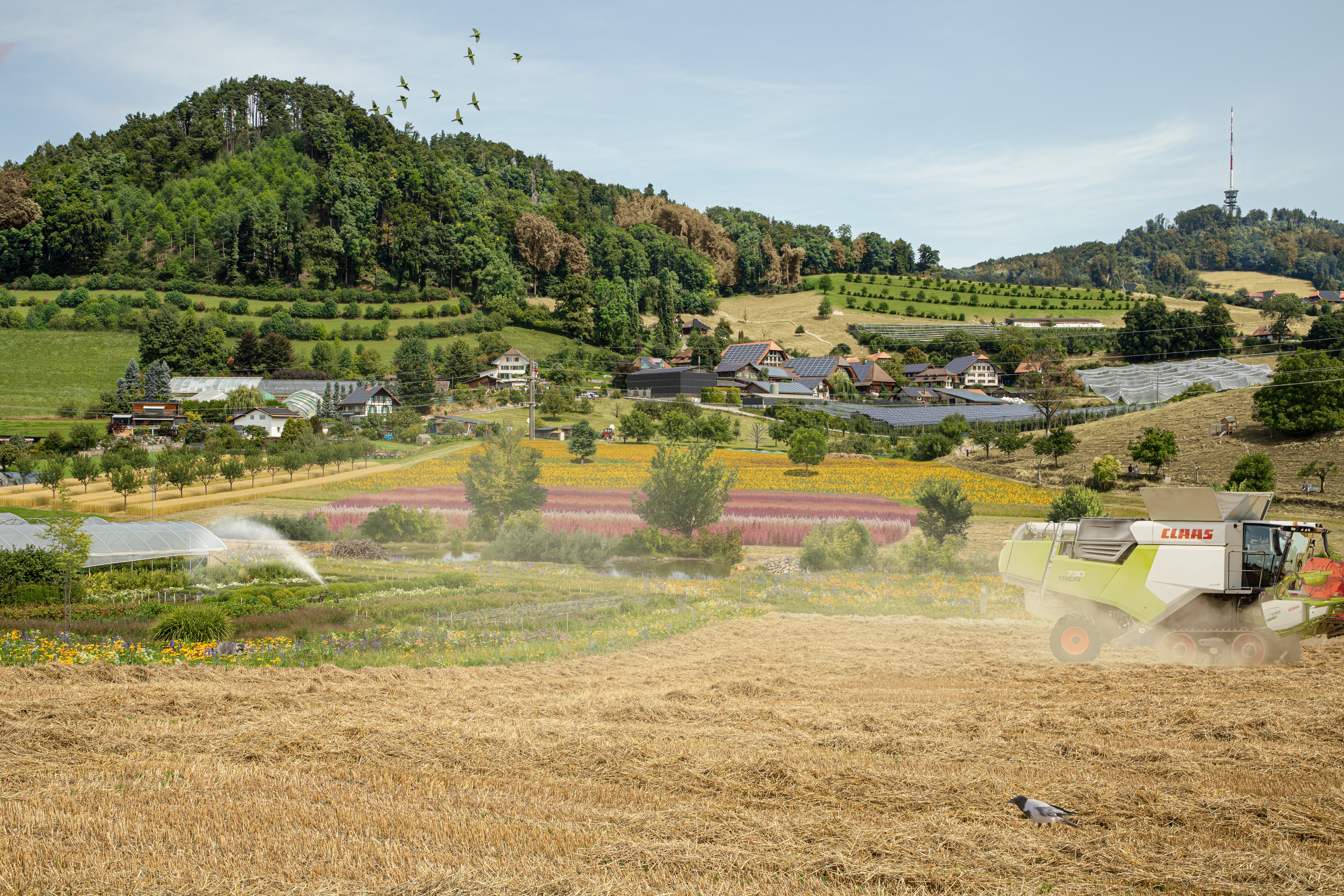
Methodologically, participatory scenario development is used within KLANG. Scenarios of possible future landscape developments under the influence of climate change are being developed for the KLANG case study regions, Grünes Band Bern, Lenzburg Seetal and Biosfera Val Müstair, with the participatory involvement of various local stakeholders. Scientific findings and local knowledge on landscape-relevant practices and unique landscape characteristics are taken into account. Targeted methods of participatory scenario development facilitate the dialog with local stakeholders on variety of possible futures. In this way, new knowledge is created in a transdisciplinary manner. The scenarios take into account the changing social, political and economic framework conditions as well as other driving forces of landscape change and the corresponding uncertainties. The scenarios are illustrated in pictures and stories.
Future-orientated regional processes 
KLANG contributes to future-orientated regional processes in three regions of Switzerland (Grünes Band Bern, Lenzburg Seetal and Biosfera Val Müstair). An integrative landscape perspective is suitable for developing solutions to complex problems such as those posed by climate change and in doing so contribute to sustainable development. A transformative social process towards sustainable living and economic activity should take place in every region. The process will start by developing local landscape scenarios for and with the regions and illustrating them in pictures or stories. These landscape scenarios serve as an entry point for developing an understanding of real-world problems in social learning processes with various social actors, developing solutions and testing these in practice. The aim is to actively and purposefully influence the future in the regions by working towards jointly developed visions.


Within the framework consisting of "future-oriented", "transformative", "landscape scenarios" and "participatory", KLANG is characterized by a high degree of openness. The exact design of the regional projects should take place in cooperation with representatives of the regions and be guided by existing needs and ideas in the region. In many regions, a wide range of processes to shape the future are already underway, so we consider it sensible not to start new projects, but to use synergies, build upon existing projects and contribute to them.
Biosfera Val Müstair 
Co-funding: Biosfera Val Müstair
The management of the Biosfera Val Müstair nature park decided to collaborate with researchers from the Swiss Federal Research Institute WSL as part of the project ‘Climate Change – Landscape: Shaping a Sustainable Future (KLANG)’. The following project objectives were formulated in a participatory approach during the kick-off workshop:
- The KLANG project promotes an inclusive dialogue on landscape and climate change in Val Müstair and actively involves various population groups.
- The project deepens understanding of the local effects of climate change, highlights existing gaps in knowledge and develops insights into possible climate protection and adaptation measures in Val Müstair.
- It contributes to understanding climate change as a task for society as a whole, reducing reservations and promoting a scientifically sound discourse on the topic.
- The project helps participants to recognise their self-efficacy in dealing with climate change: ‘I can do something.’
Landscape scenarios 
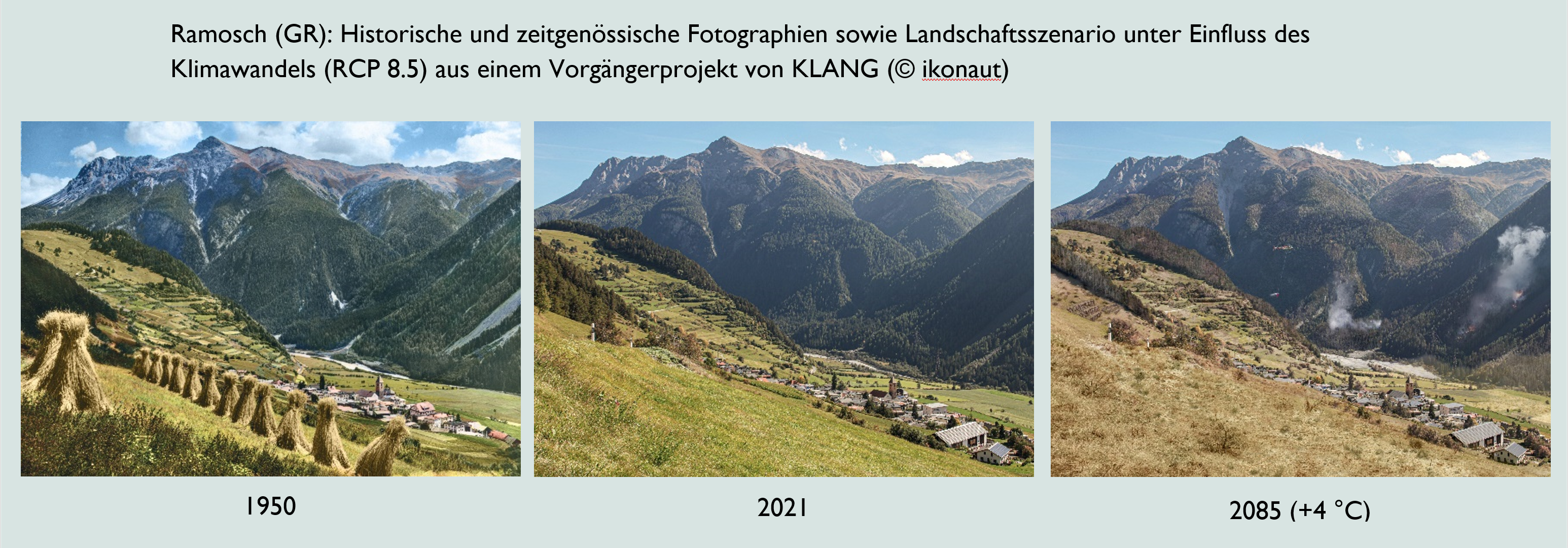
The aim of the KLANG project is to find and promote new ways of dealing with landscape and climate change. Landscape scenarios in the form of images and stories are a central element of the project. They serve as a tool for examining the future under the influence of climate change. The future scenarios are based on familiar everyday landscapes and are closely related to the lives of the local population. In Val Müstair, these future scenarios were embedded in a time series of historical images. This resulted in a series of images consisting of a historical photograph, a contemporary photograph and a scientifically based visualisation of a future landscape.
The landscape scenarios were developed for three locations in Val Müstair. They illustrate how familiar landscapes could develop by the second half of the century if the average temperature in Switzerland warms by 4.9 °C compared to pre-industrial times.
Brochure 
«Val Müstair im Klimawandel» with storylines and detailed information on the scenarios (German only)
Visualisations 
To download click on media.
Photos: ikonaut
Tschierv: Blick auf Tschierv von Parai da Lü 
Download by clicking on the image
Image credits:
a) swisstopo, coloured by ikonaut
b) Tamara Estermann, Swiss National Park
c) ikonaut
d) ikonaut


Sta. Maria: View of Sta. Maria from Munt Aschegn 
Download by clicking on the image
Image credits:
a) Fundaziun Fotografia Feuerstein, coloured by ikonaut
b) Tamara Estermann, Swiss National Park
c) ikonaut
d) ikonaut


Müstair: View of Müstair from Pradalai 
Download by clicking on the image
Image credits:
a) Robert Durrer, Schweizerische Nationalbibliothek, Eidgenössisches Archiv für Denkmalpflege EAD: Dokumentationen von Restaurierungen und Grabungen, coloured by ikonaut
b) Tamara Estermann, Swiss National Park
c) ikonaut
d) ikonaut


Grünes Band Bern 
Co-funding: Municipality of Bolligen and Municipality of Köniz
IG Grünes Band is an association of ten municipalities in the greater Bern area. Its aim is to strengthen the attractiveness of the involved municipalities by promoting their natural assets, landscape qualities and activities/ services, and to ensure coordinated, cross-sectoral land use. The following objectives were defined for the collaboration between IG Grünes Band Bern and project KLANG:
- Understand the effects of climate change on local landscapes and their interactions.
- Promote societal engagement with the future of the region under the influence of climate change. This contributes to awareness raising and highlight opportunities for regional action.
- Define key areas of action for climate-resilient development and developing solutions through social learning processes.
Bolligen and Köniz were selected as focal municipalities for the collaboration due to their landscape characteristics and their motivation to participate in the project. A decision was then made as to which processes in the municipality the development of landscape scenarios should contribute to.
- In Bolligen, the aim was to contribute to the development of the municipality's own climate strategy. In particular, the involvement of the population in the process of developing this strategy was to be strengthened through dialogue.
- In Köniz, the aim was to contribute to raising awareness among the population about the local impact of climate change and the local options for action in dealing with climate change.
Well-attended public events were held in both municipalities, at which interested members of the public came up with solution-oriented stories and formulated concrete measures for building climate-resilient communities.
Landscape scenarios 
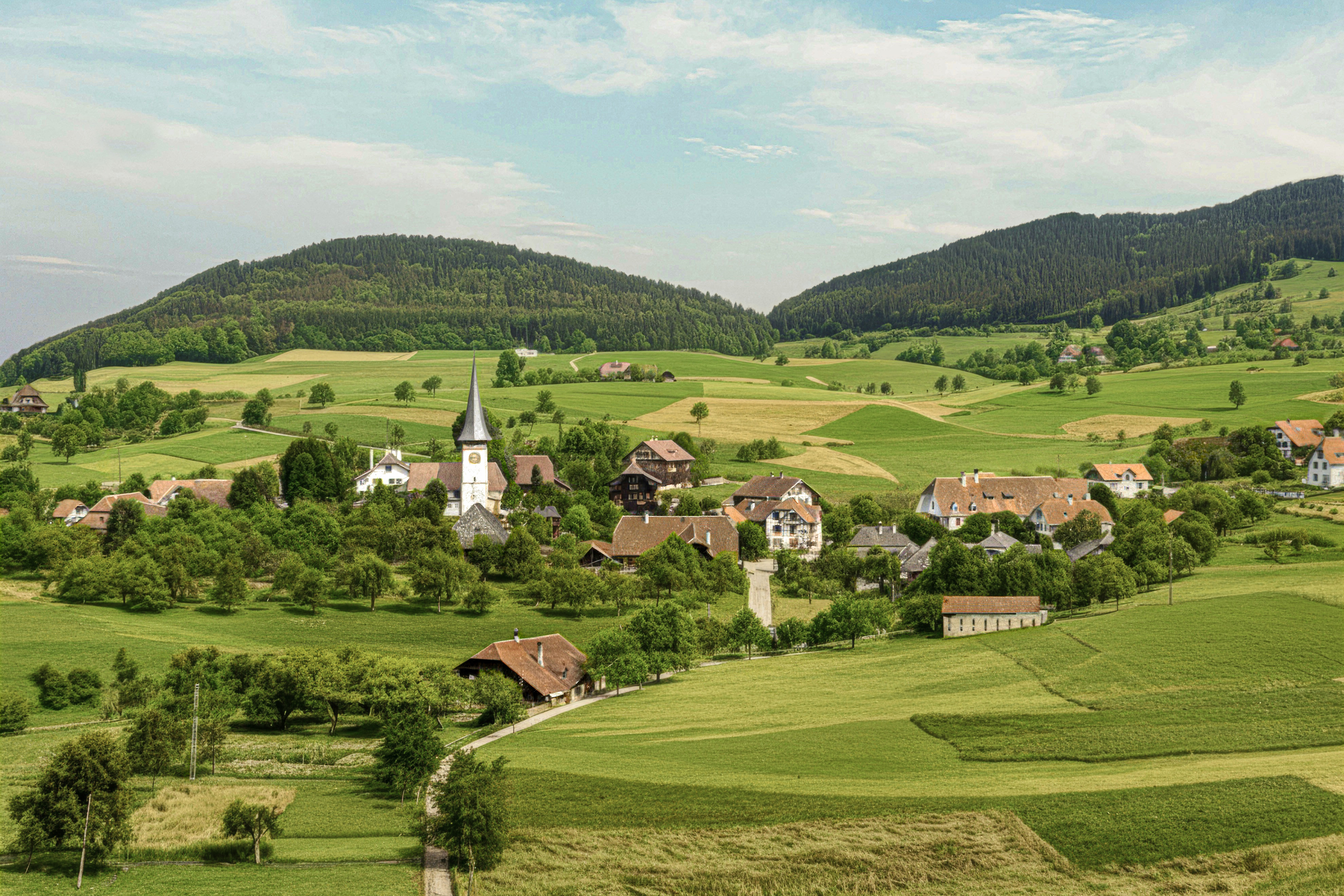
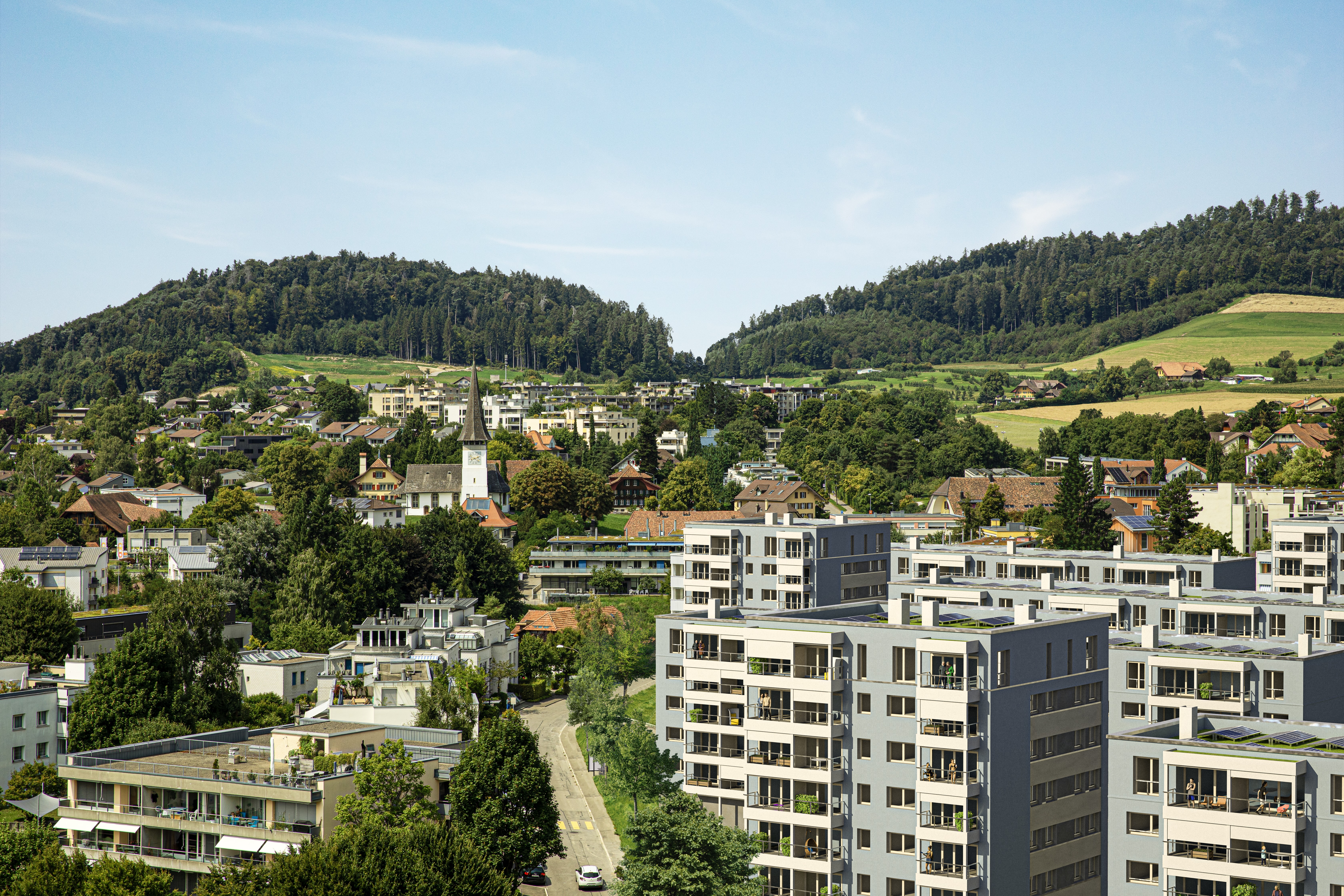
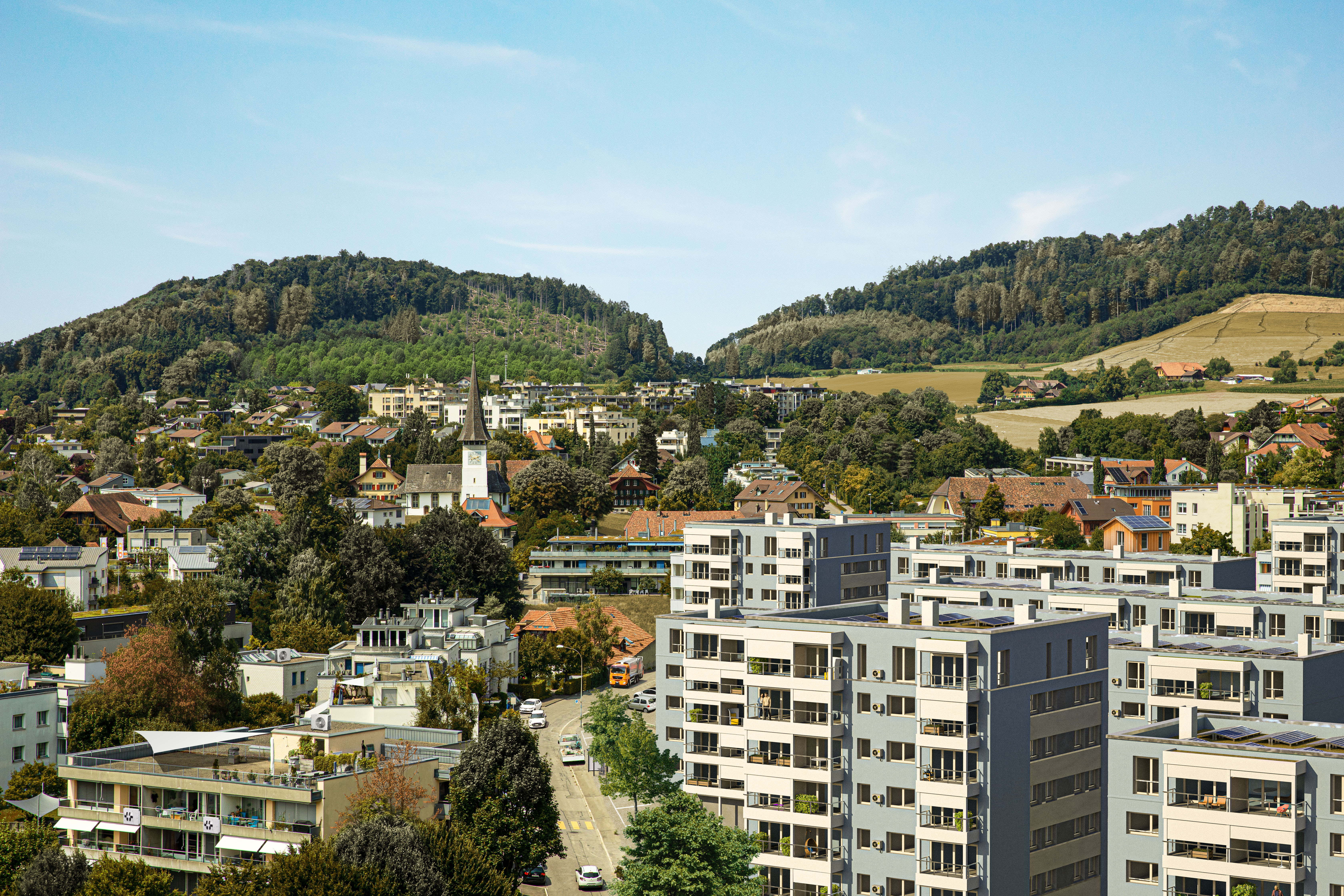
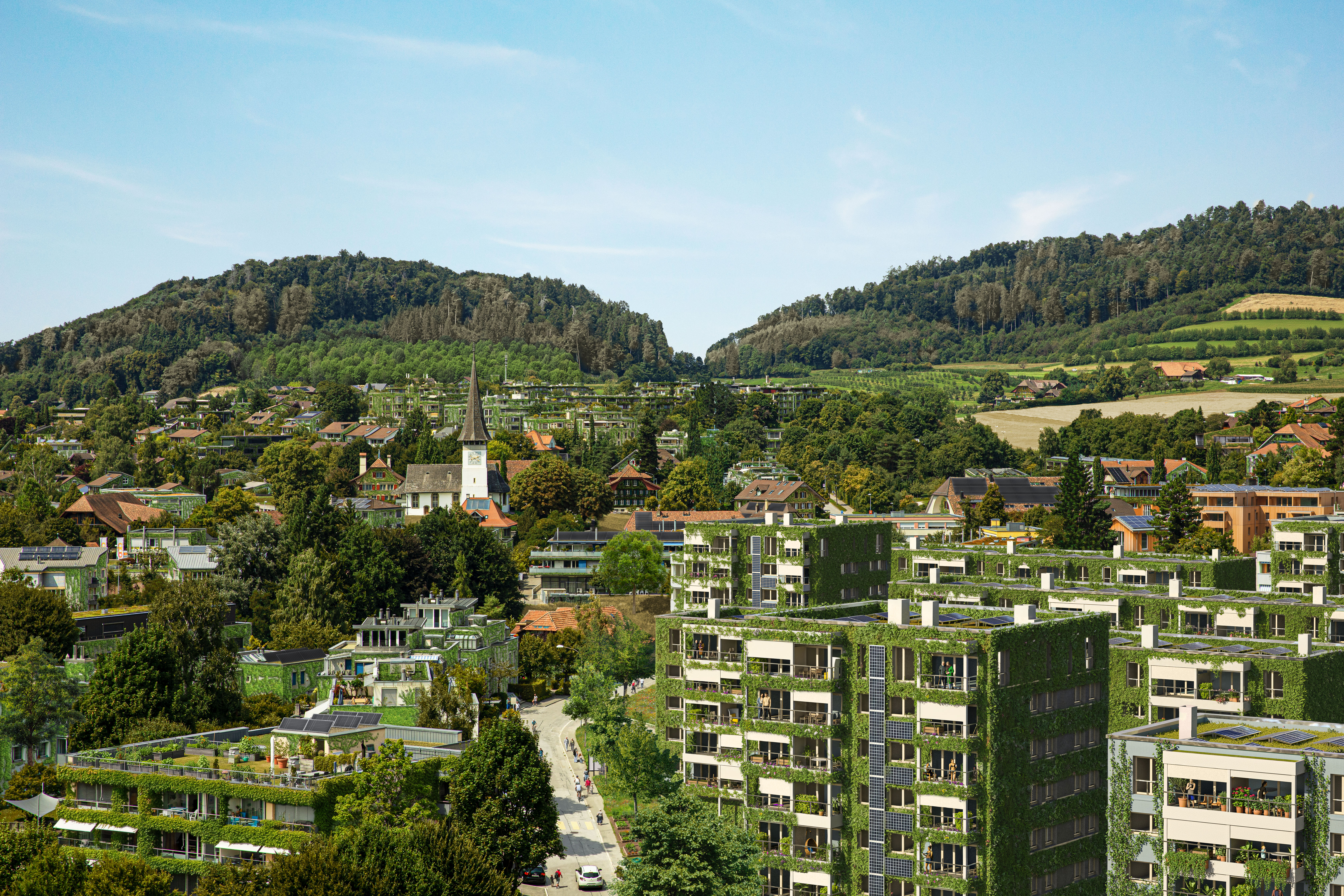
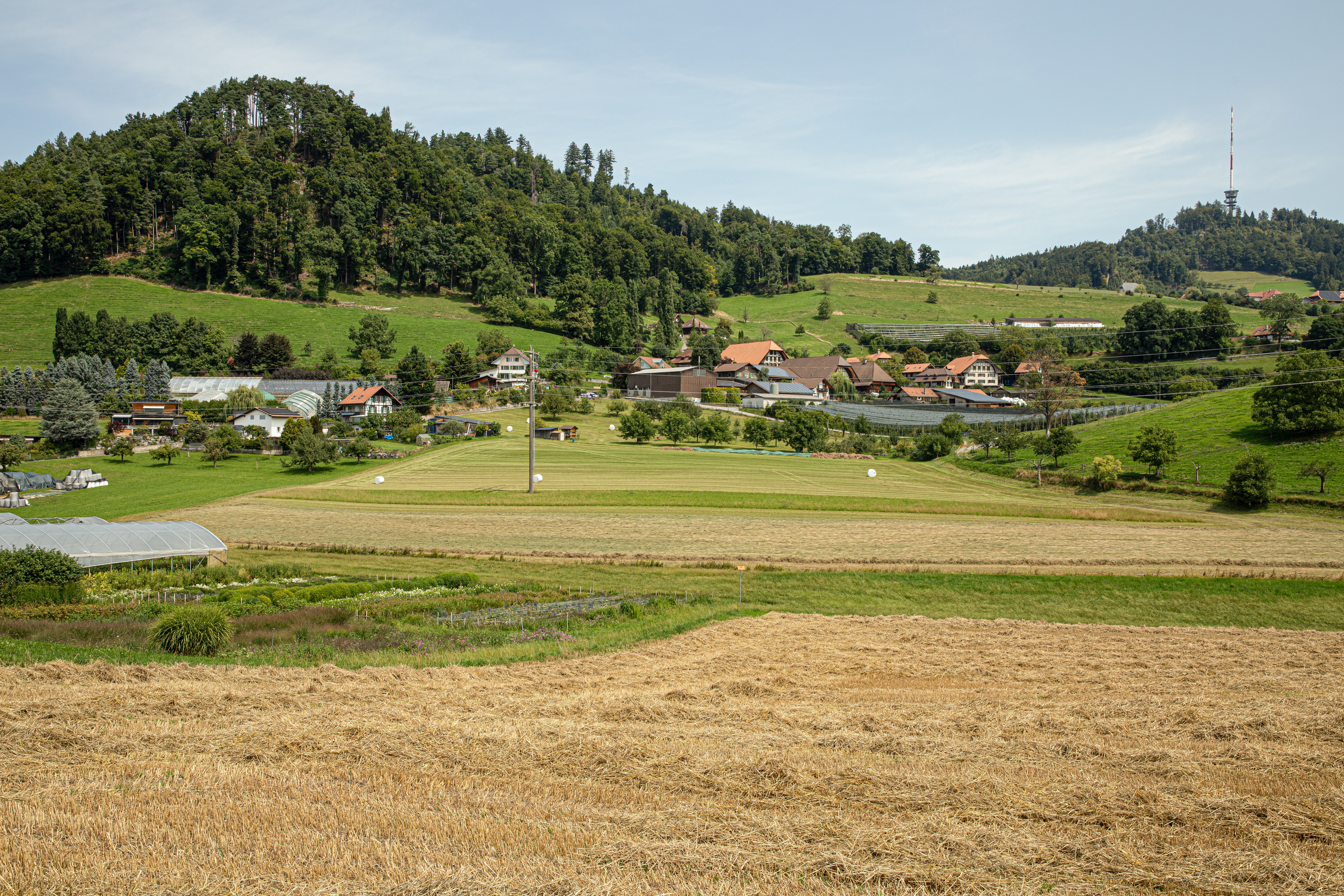
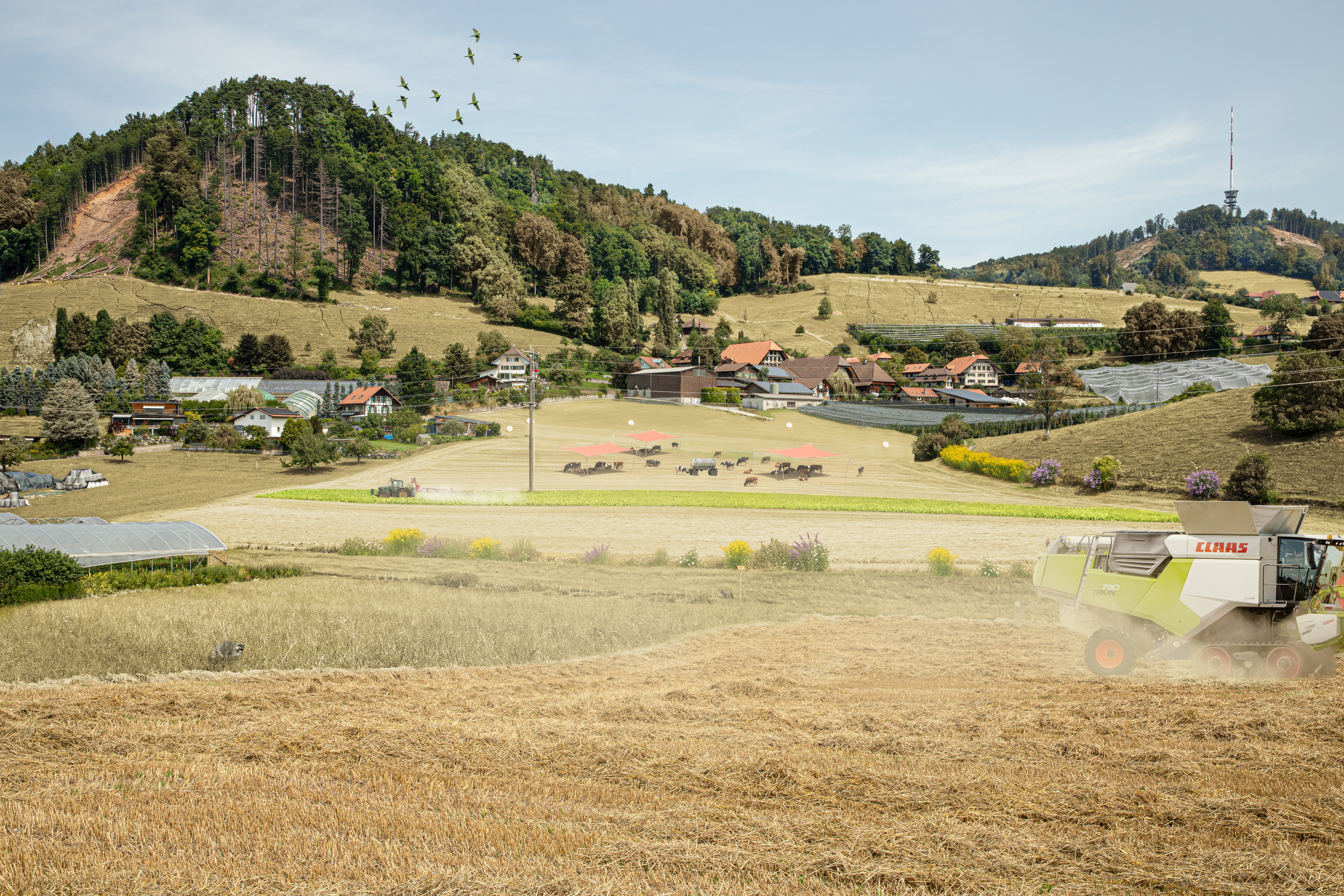
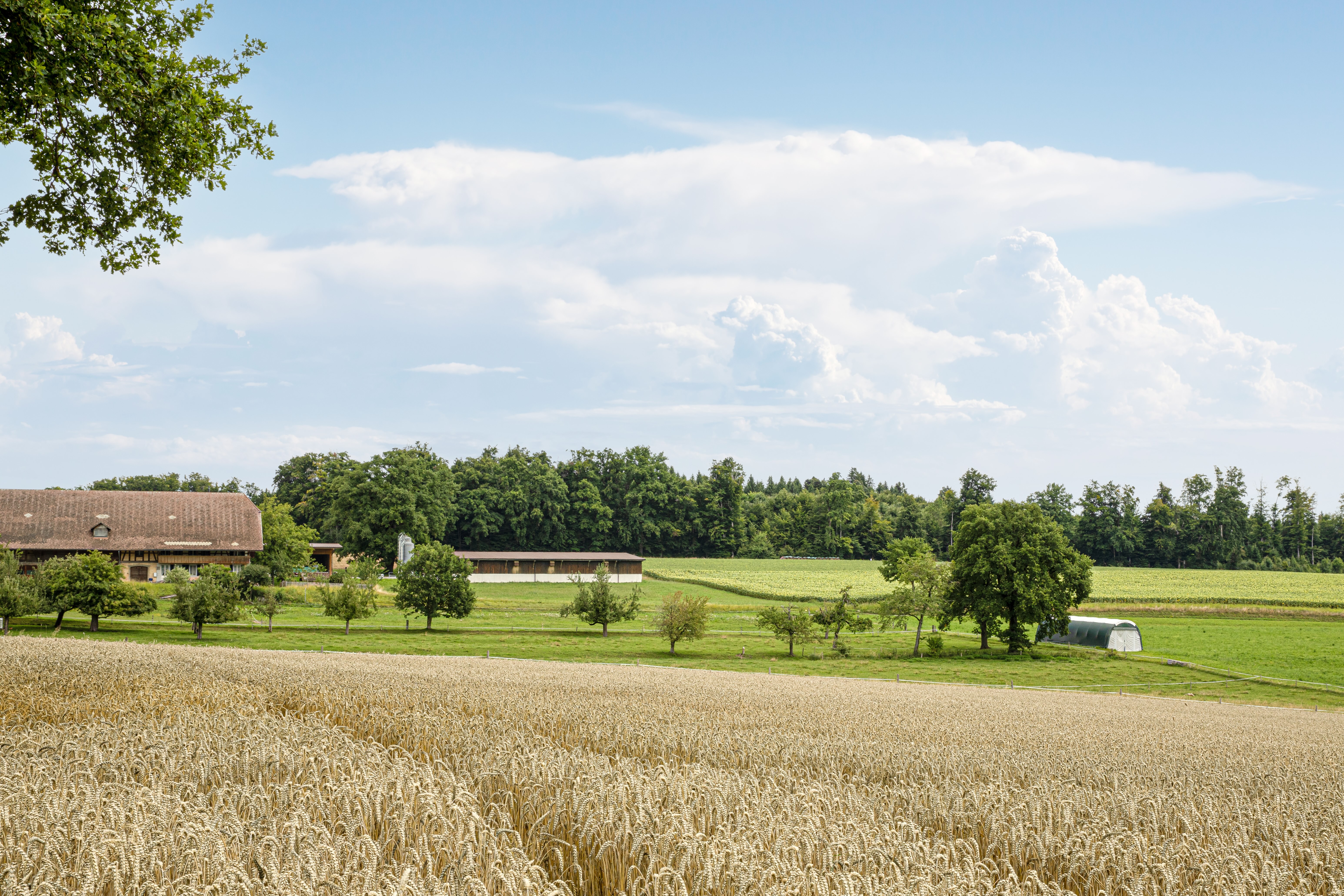
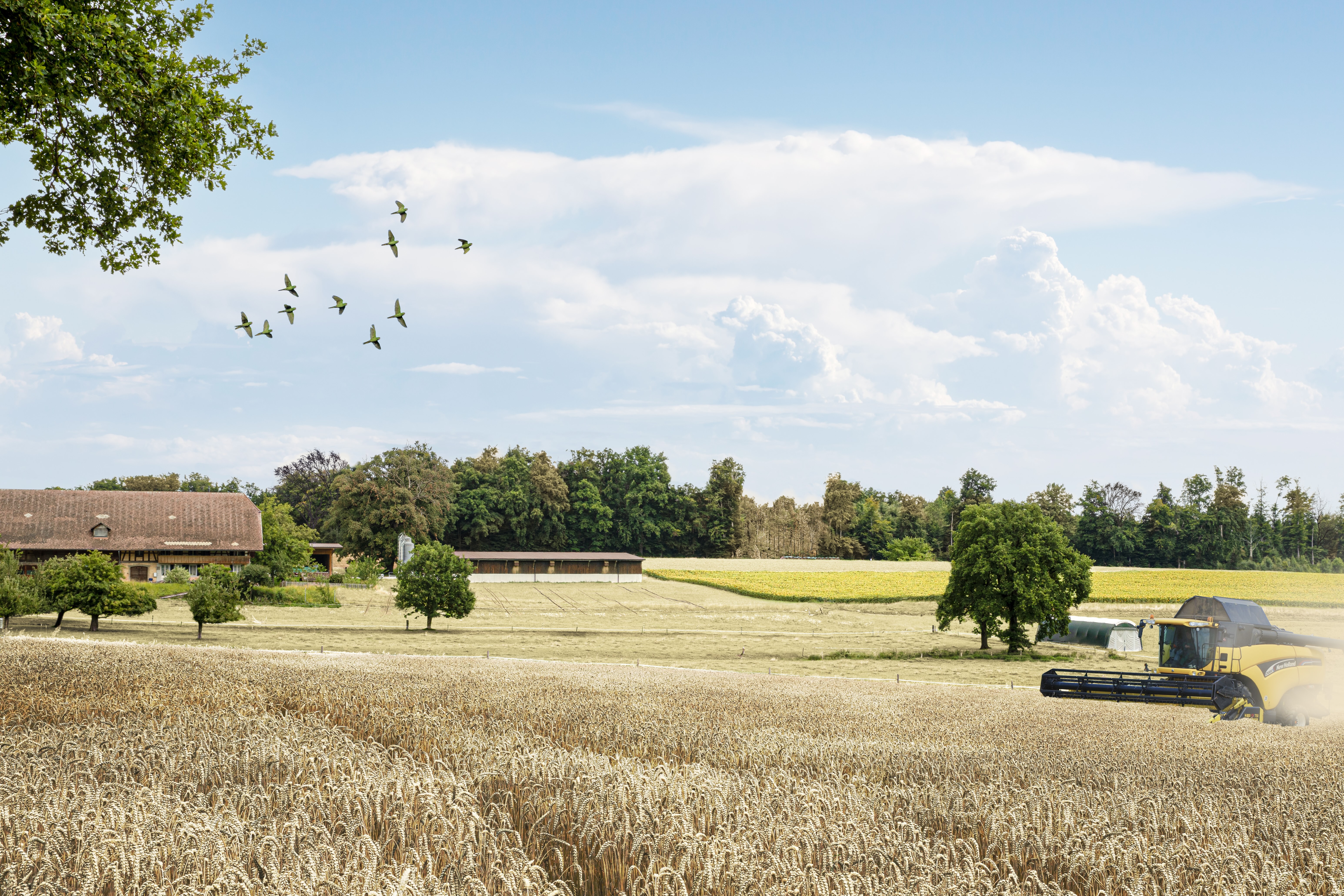
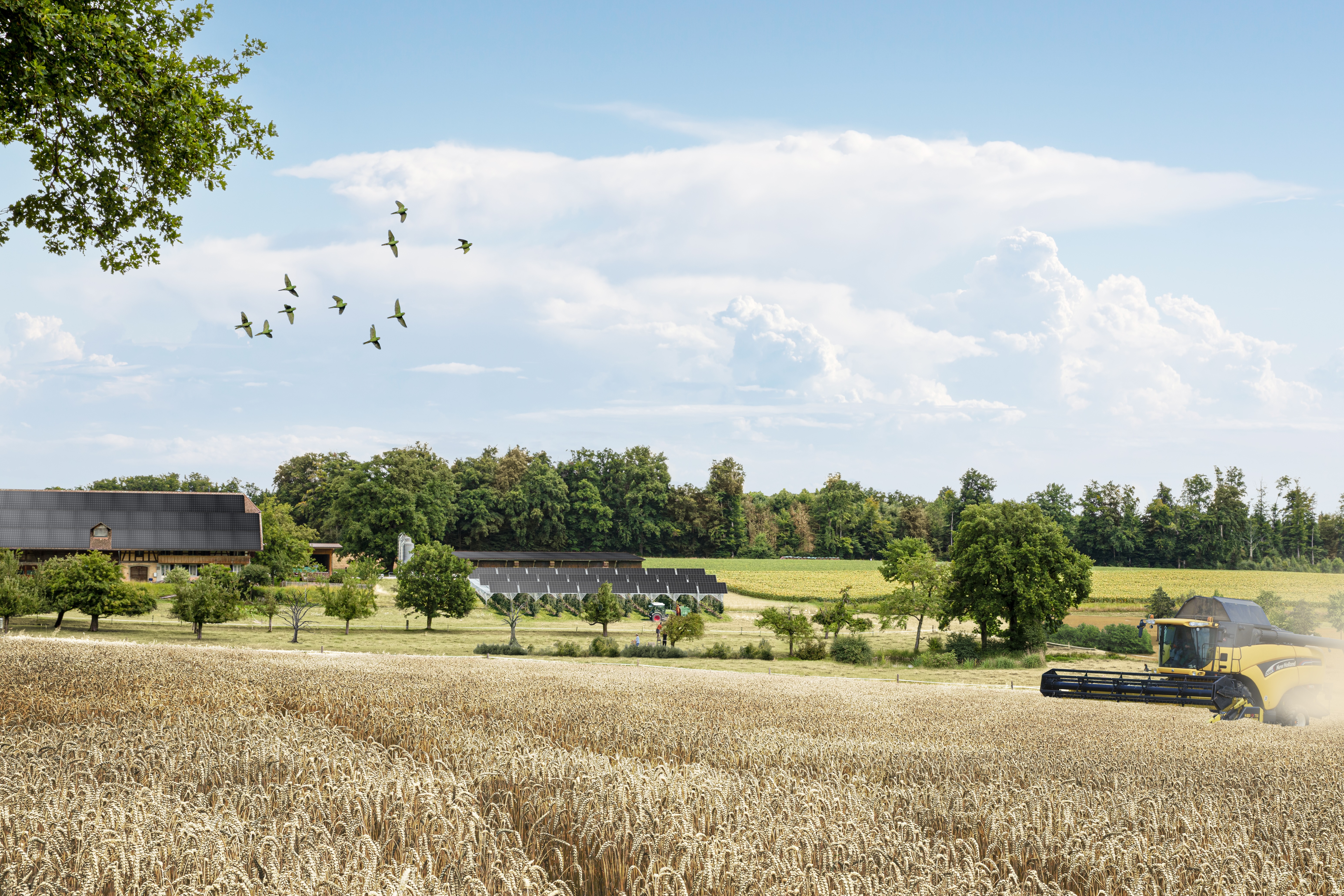
Landscape scenarios were developed for two locations in Bolligen and three locations in Köniz. For both municipalities, visualisations of the current and possible future landscapes were developed in collaboration with ikonaut and storylines, narrative descriptions of a walk through these future landscapes, were written.
Publication 
«Die Region Grünes Band Bern im Klimawandel» with Storylines and detailed information on the scenarios (German only).
Visualisations 
To download click on media.
Photos: ikonaut
View of a residential area in Bolligen 
Landscape scenarios for the Bolligen Hühnerbühl site
View of an area of Bolligen used for agriculture and forestry 
Landscape scenarios for the Bolligen Höchsträss site
View of a residential area in Köniz 
Landschaftsszenarien für den Standort Köniz Weiermatt
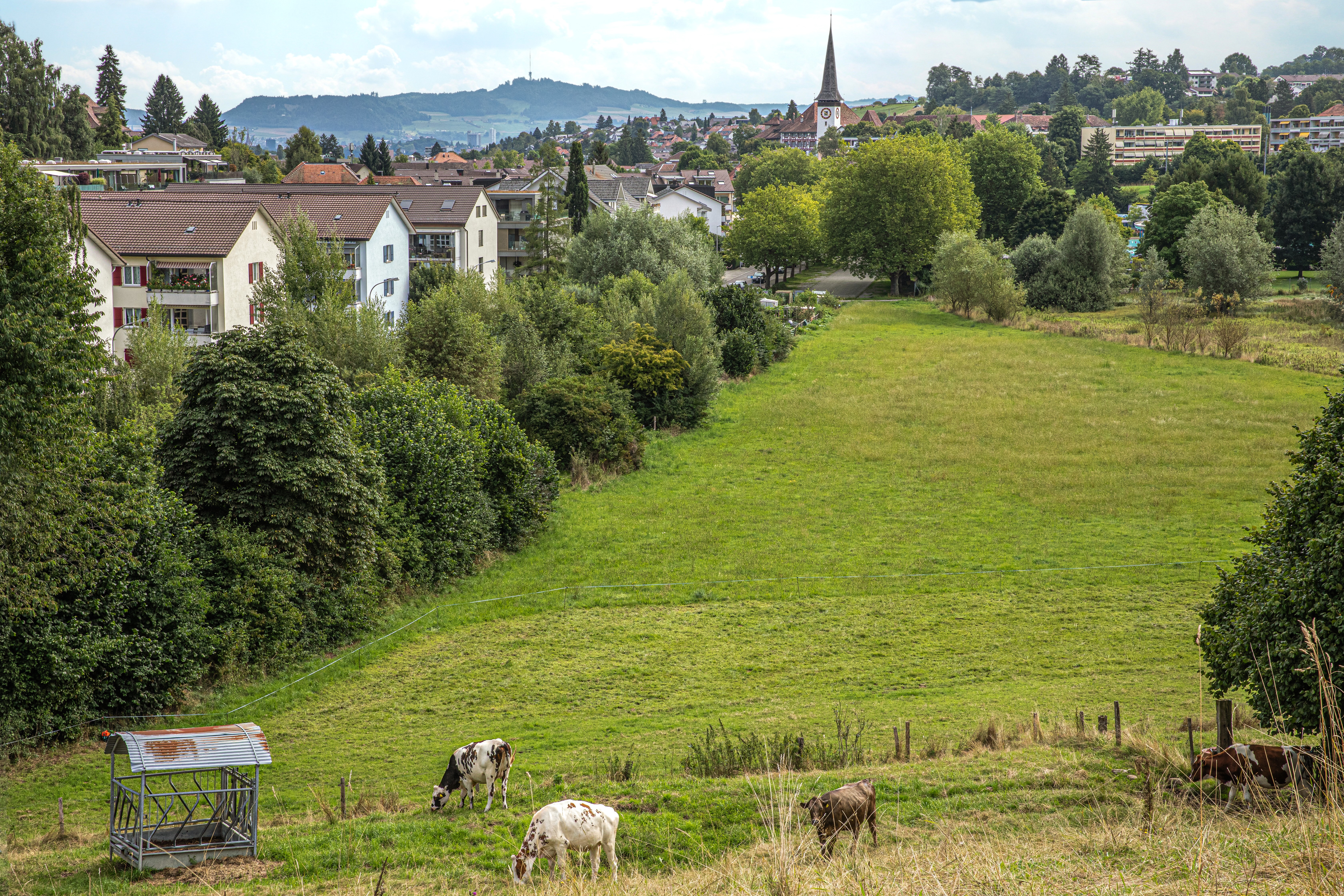
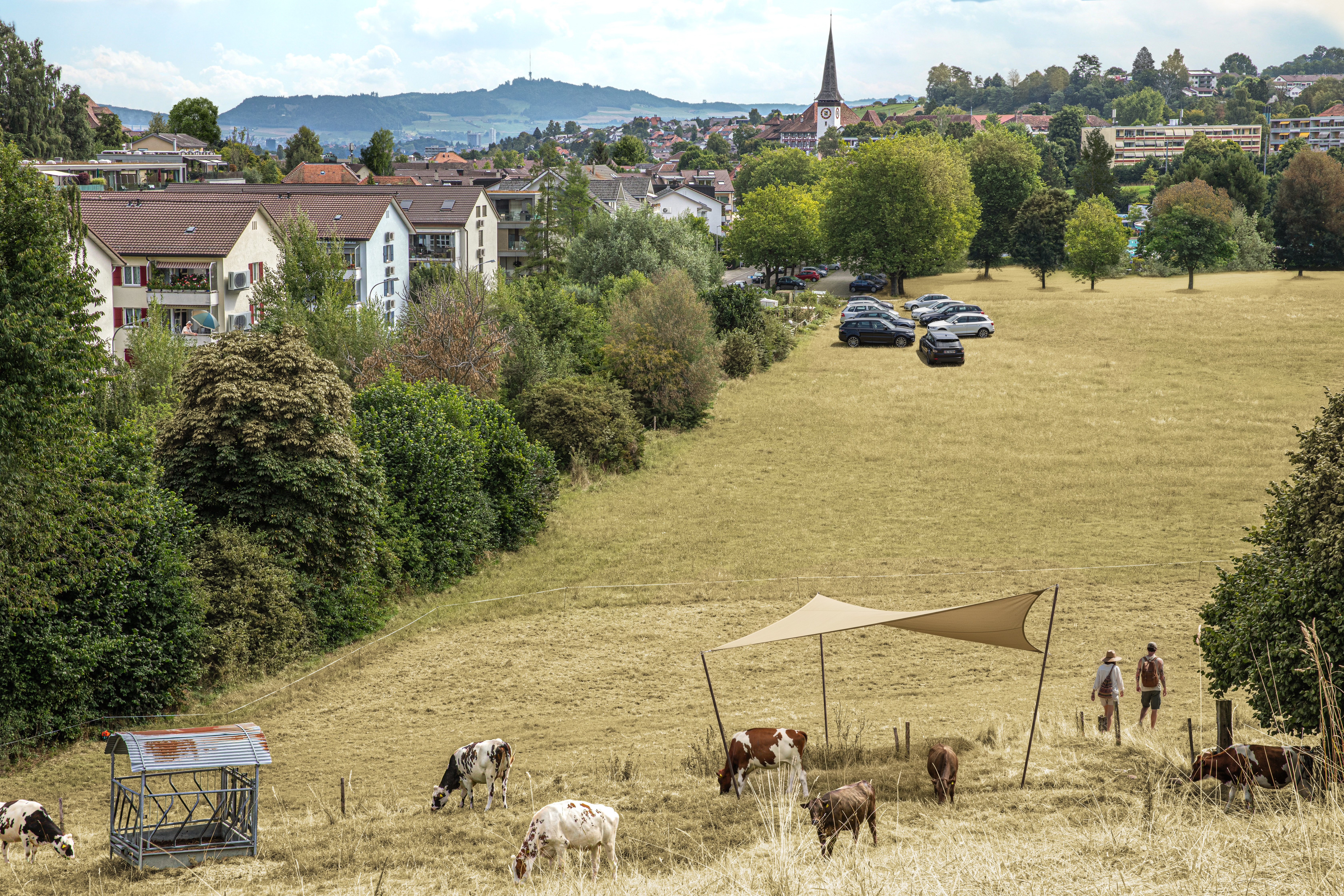
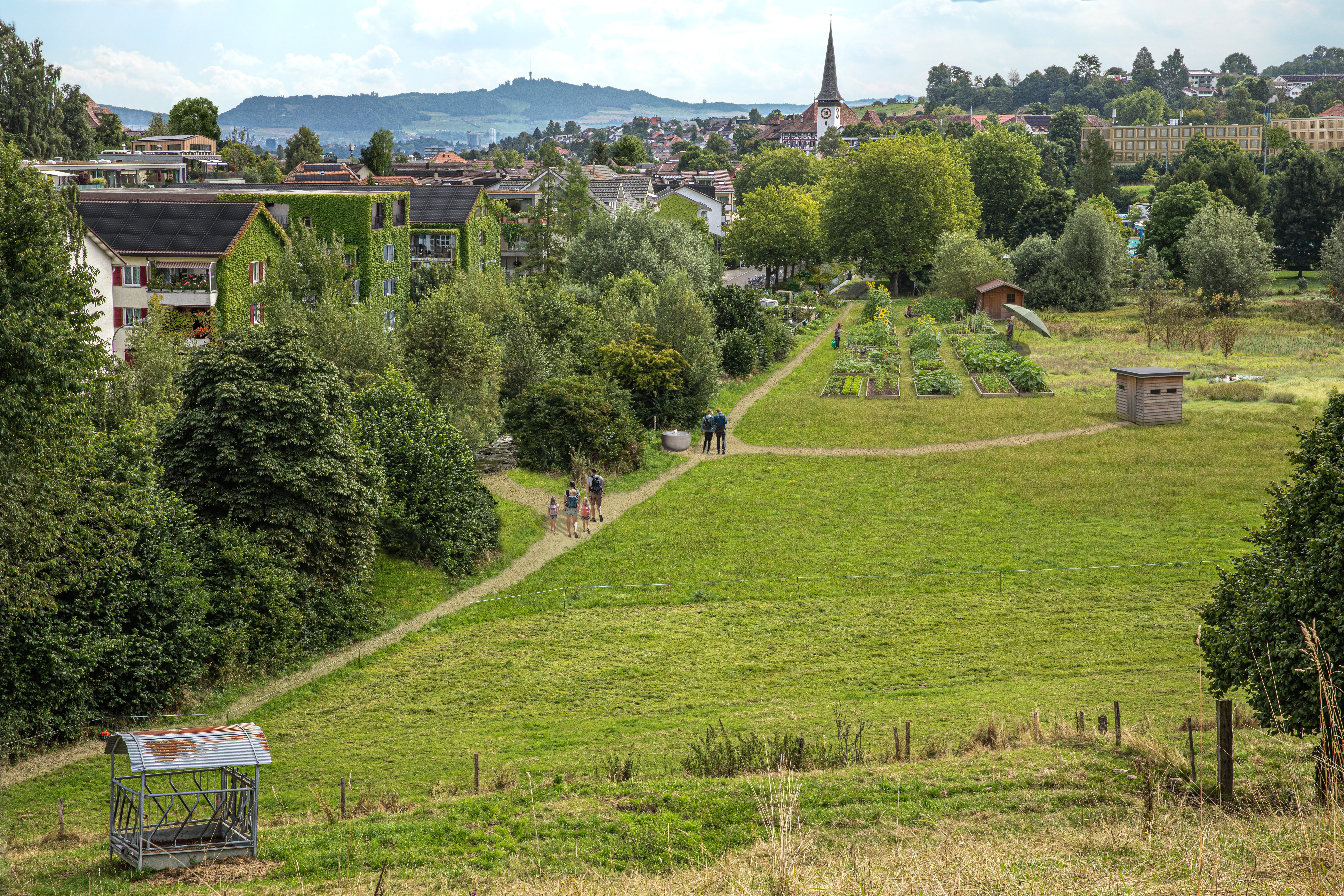
View of an area of Köniz used for agriculture and forestry 
Landscape scenarios for the Köniz Halenacker site
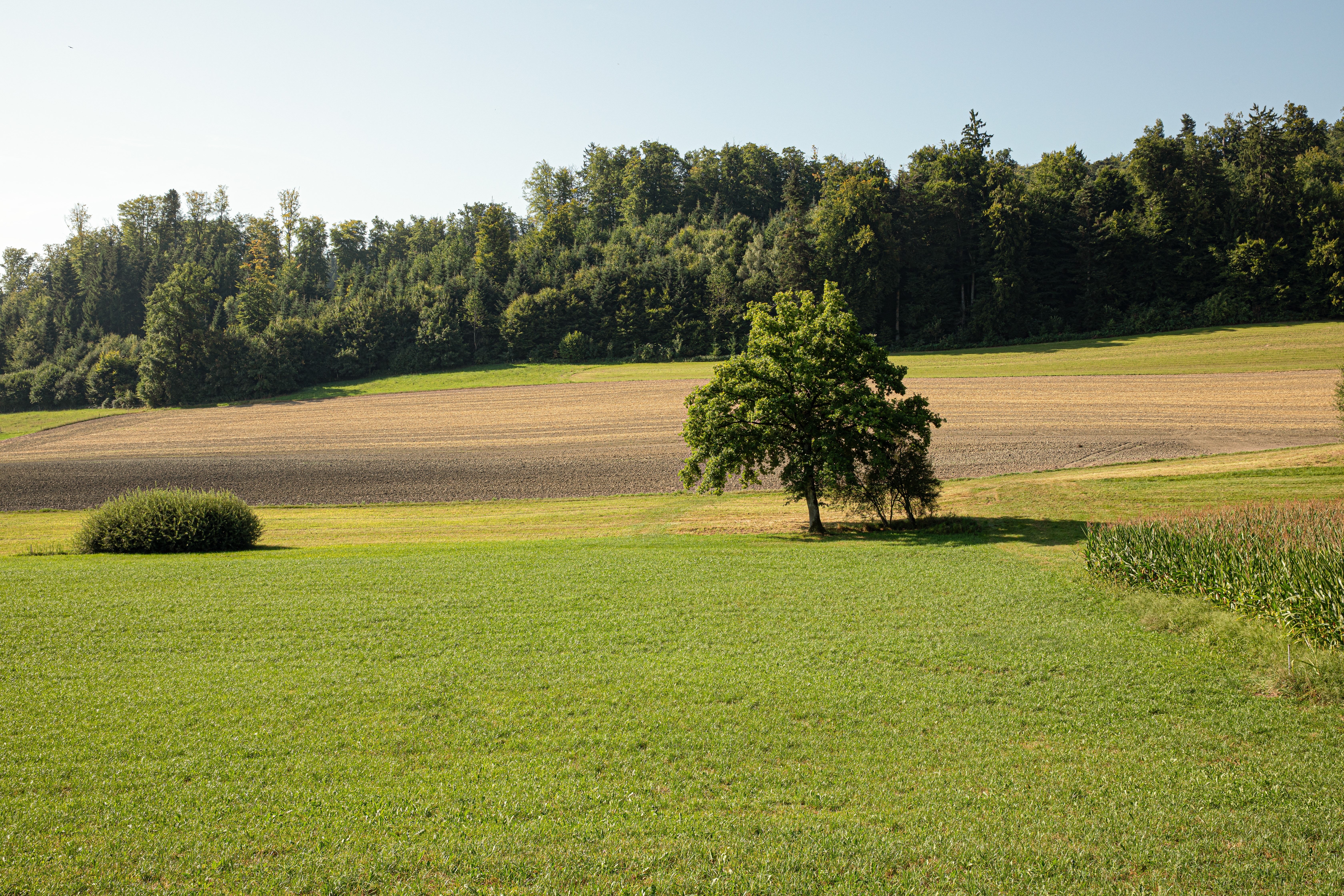
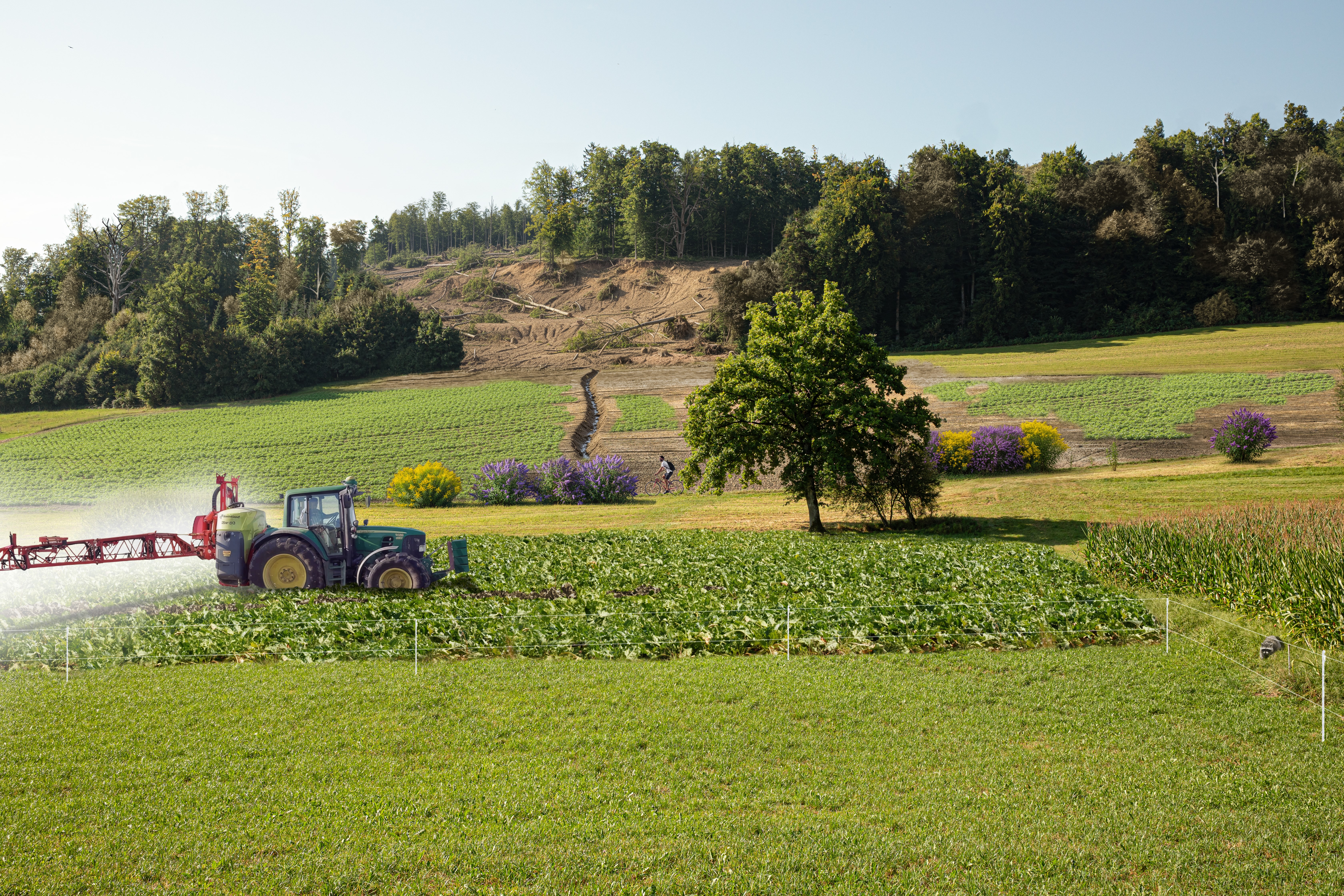
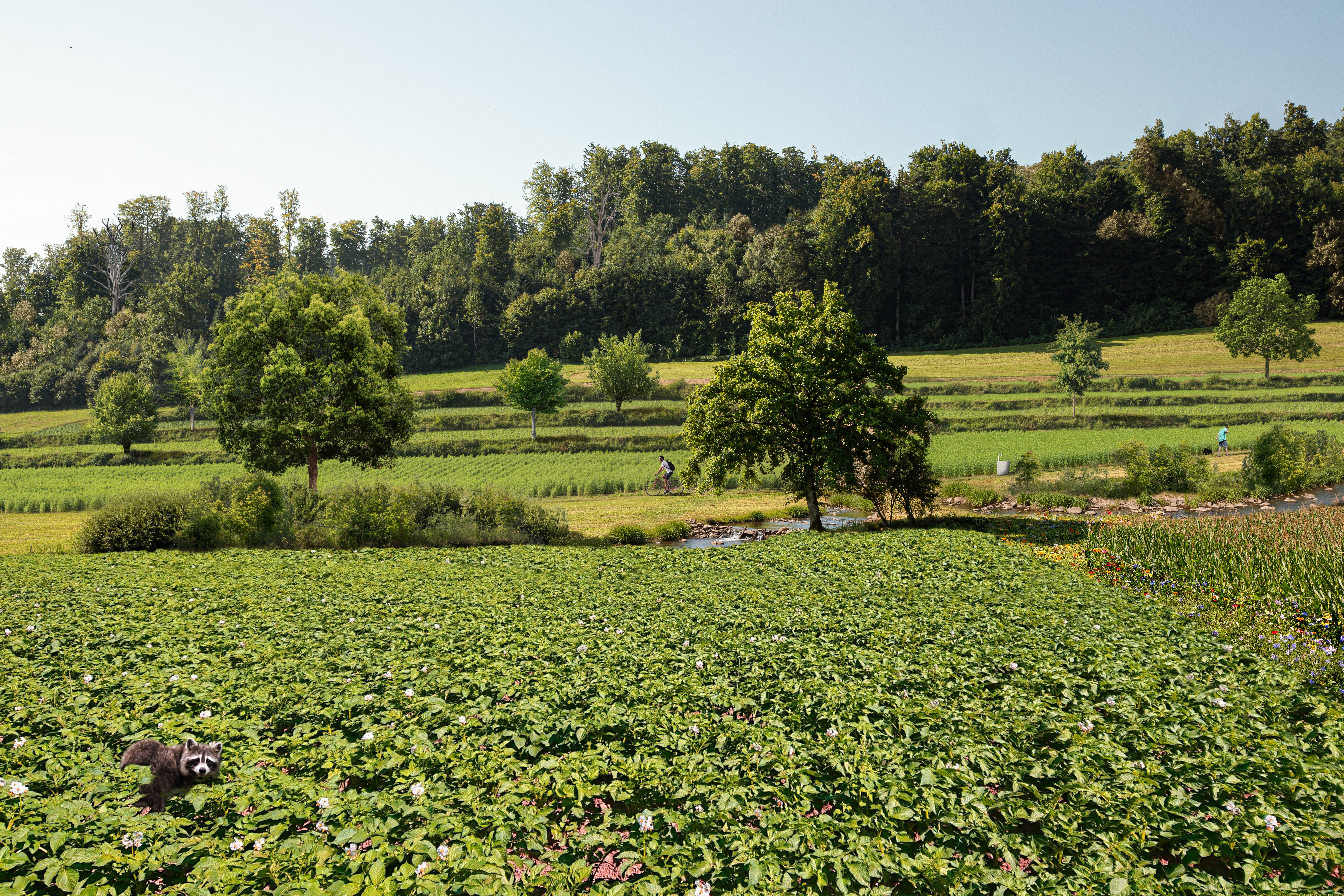
View of an area used for agriculture and forestry in Herzwil 
Landscape scenarios for the Köniz Herzwil site
Lenzburg Seetal 
Co-funding: Abteilung Landschaft und Gewässer, Canton of Aargau
In 2024, the landscape project group of the Regional Planning Association Lebensraum Lenzburg Seetal decided to collaborate with researchers from the Swiss Federal Institute for Forest, Snow and Landscape Research WSL as part of KLANG in order to integrate the topic of climate change into the region's new Landscape Development Program (LEP). A process is currently underway in the region to draw up a revised LEP under the lead of the landscape project group. The LEP is a regional landscape planning instrument adopted by the municipalities, which aims to ensure the coordinated, sustainable use and development of cultural landscapes by coordinating landscape-related activities across municipal boundaries. The cooperation with KLANG should firstly ensure that climate change is taken into account as an important driver of landscape change in the various planning levels and objectives of the LEP. Secondly, the regional levers for contributing to climate protection and adaptation to climate change should be illuminated from a landscape perspective in the LEP, as this perspective supports a holistic and regionally anchored approach to the topic.
Landscape scenarios Lenzburg Seetal 2060 

Landscape scenarios were developed for the two locations Beinwil am See and Gofi near Lenzburg. In collaboration with ikonaut, interactive 360° visualisations of the current and possible future landscapes and storylines, narrative descriptions of a walk through these future landscapes, were developed for both sites. Detailed information on the scenarios can be found in the following document Storylines (German only).
- Storylines with detailed information on the scenarios (German only)
- 360° visualisations