

Development of a functional evaluation of the soil biological parameters
2024 - 2029
Cooperation FinancingSoils are the basis for our food, our forests and many natural cycles: they provide plants with nutrients, store water and carbon, break down pollutants and form the basis for agriculture and forestry. However, intensive use, pollutants or climate change can impair their ability to function. This often happens without us noticing it immediately. Soils must remain healthy and alive in order to fulfill these functions in the long term. But how can you tell how efficient a soil really is, especially on a biological level?
In this project, we are developing a new method for the functional assessment of soils: instead of counting individual species or identifying microorganisms that are difficult to determine, we are using modern shotgun metagenomics to directly record the entire genome from a soil sample. This gives us a comprehensive picture of which ecological functions a soil can fundamentally fulfill. For example, we can determine whether a soil is in principle capable of converting nitrogen compounds, breaking down pollutants or storing carbon efficiently.
One focus is on the question of how the functional genetic potential changes through targeted soil upgrading and recultivation. We are particularly interested in processes of the carbon, nitrogen and phosphorus cycle, but also in functions such as nutrient conversion, energy metabolism and even antibiotic resistance. By genetically analyzing these functions, we can assess whether the measures taken improve the biological performance of the soil, remain neutral or possibly even have negative effects.
To do this, we compare the genetic functional content of recultivated soils with that of neighboring reference areas, which are considered to be largely undisturbed. At both sites, we take soil samples from which we isolate the entire DNA. This not only contains information about all organisms living in the soil, but also about their functional genes. This data results in a comprehensive genetic inventory of the soil, which we analyze in detail. With this so-called soil metagenomics, several million genes can be studied simultaneously, including those responsible for the decomposition of organic matter, the formation of stable soil structures, energy production or the degradation of pesticides. In total, a typical soil metagenome is estimated to contain around 10 million protein-coding genes, which impressively illustrates the enormous functional diversity of microorganisms in the soil.
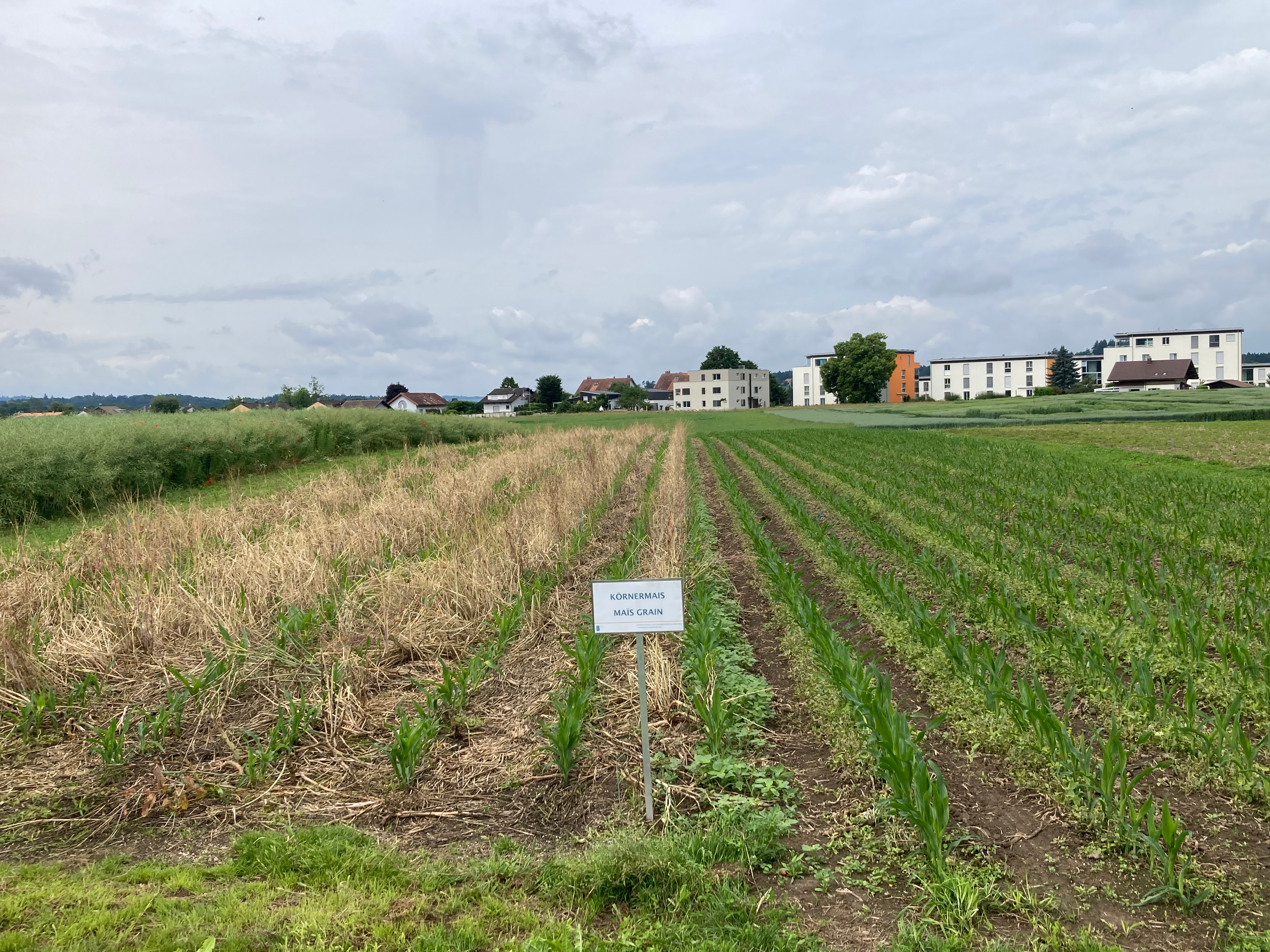
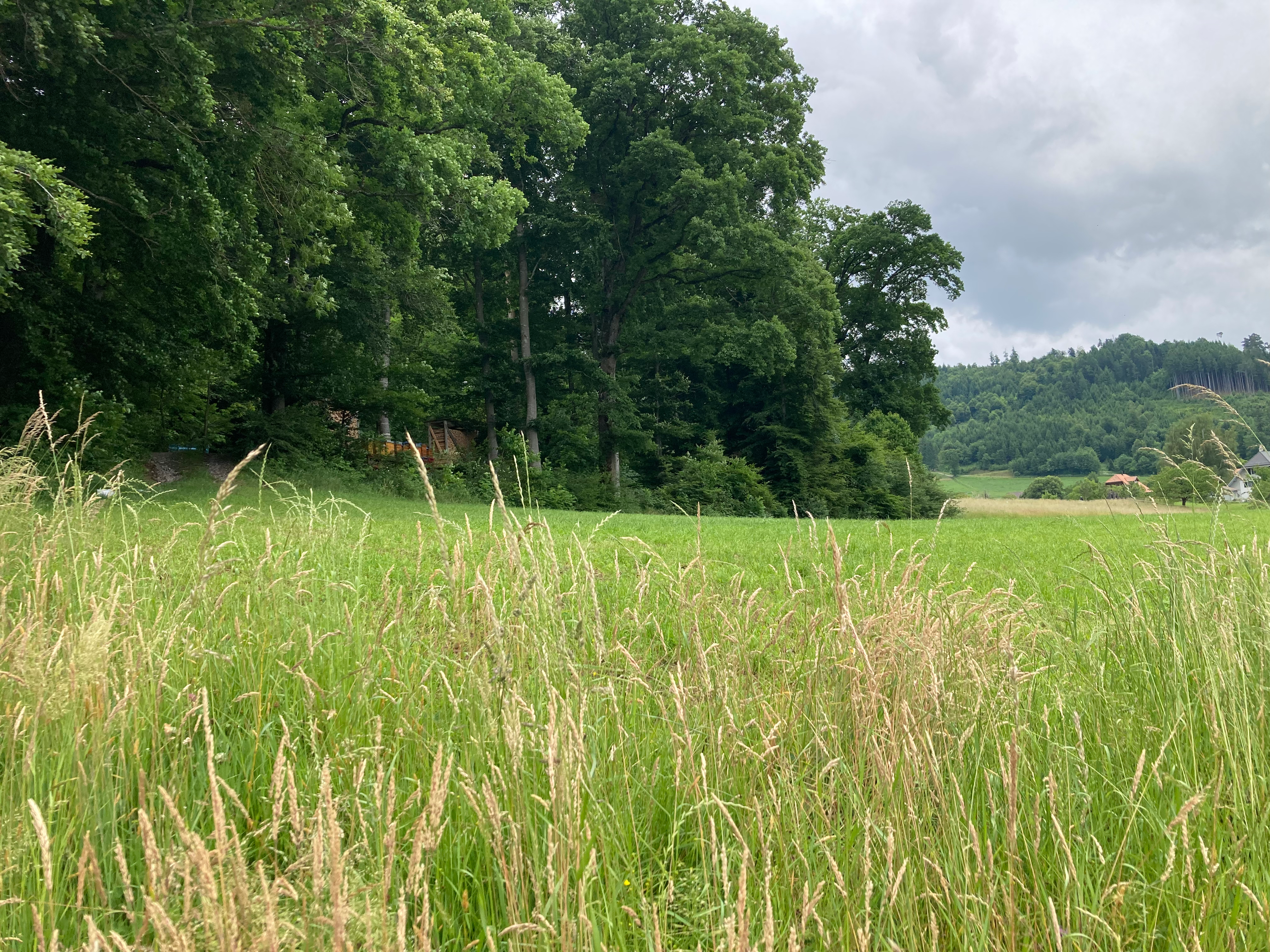
Our aim is to integrate this new method into existing soil monitoring networks such as NABO (National Soil Monitoring) and KABO (Cantonal Soil Monitoring). We are investigating soils with different forms of use, such as arable land with organic or conventional cultivation or meadows with intensive and extensive use. In the long term, genetic functional analysis is to become an integral part of long-term soil monitoring and serve as an additional indicator of soil quality and ecological resilience.
Reports / working aids 
Hug A.-S., Maurer C., Gschwend F., Widmer F., von Rohr G., Frey B., Moll-Mielewczik J. Arbeitshilfe zur Erhebung und Beurteilung bodenbiologischer Parameter. VBBio-BioSA. 2025, 48 S