Integrating Soil Biodiversity to Ecosystem Services (SOB4ES)
Project context 
The aim of the EU’s Soil health and Food Mission is that by 2030 at least 75% and by 2050 all soils in the EU should be fertile. However, cost-effective indicators for soil biodiversity, ecosystem functioning, and ecosystem services are missing, and so are costeffective measures for restoring soil fertility. SOB4ES will contribute to the Missions’ Soil Deal for Europe by (1) elucidating soil biodiversity, ecosystem functioning and services for major land uses and land use intensity changes, (2) testing cost-effectiveness of existing indicators for soil biodiversity, ecosystem functioning and services, and (3) evaluating how policy incentives may enhance protection, sustainable management and restoration of soil systems and soil fertility. By focusing on nine major pedoclimatic (soil type-climate) regions and land uses, including soils from urban, agriculture, forest, (semi)-natural, wetlands, drylands, industrial and mining environments, SOB4ES will cover most relevant EU climate-soil type-land use conditions. To reach these ambitious goals, SOB4ES will further develop the mapping and assessment of ecosystem conditions approach and test cost-effectiveness of a wide array of existing indicators.
Aim of the project 
The SOB4ES project is a large EU project including 19 european partners. The main goal of the project is to assess the composition of soil organisms and to understand its relationship with ecosystem services across land uses of different pedoclimatic regions. The project aims to improve the evaluation of the ecosystem by including soil biodiversity into the monitoring of the ecosystems.
Within the SOB4ES project, a large quantity of samples will be samples in different European countries to fill out the current knowledge gap about the effectiveness of existing indicators variables for the composition and community structure of soil biodiversity under combinations of different land use and pedoclimatic regions. SOB4ES will also analyse how networks of soil biodiversity relate to aboveground biodiversity and ecosystem services by advanced artificial intelligence-based machine learning approaches, and scale monitoring up to being applied by remote sensing.
Sampling strategy 
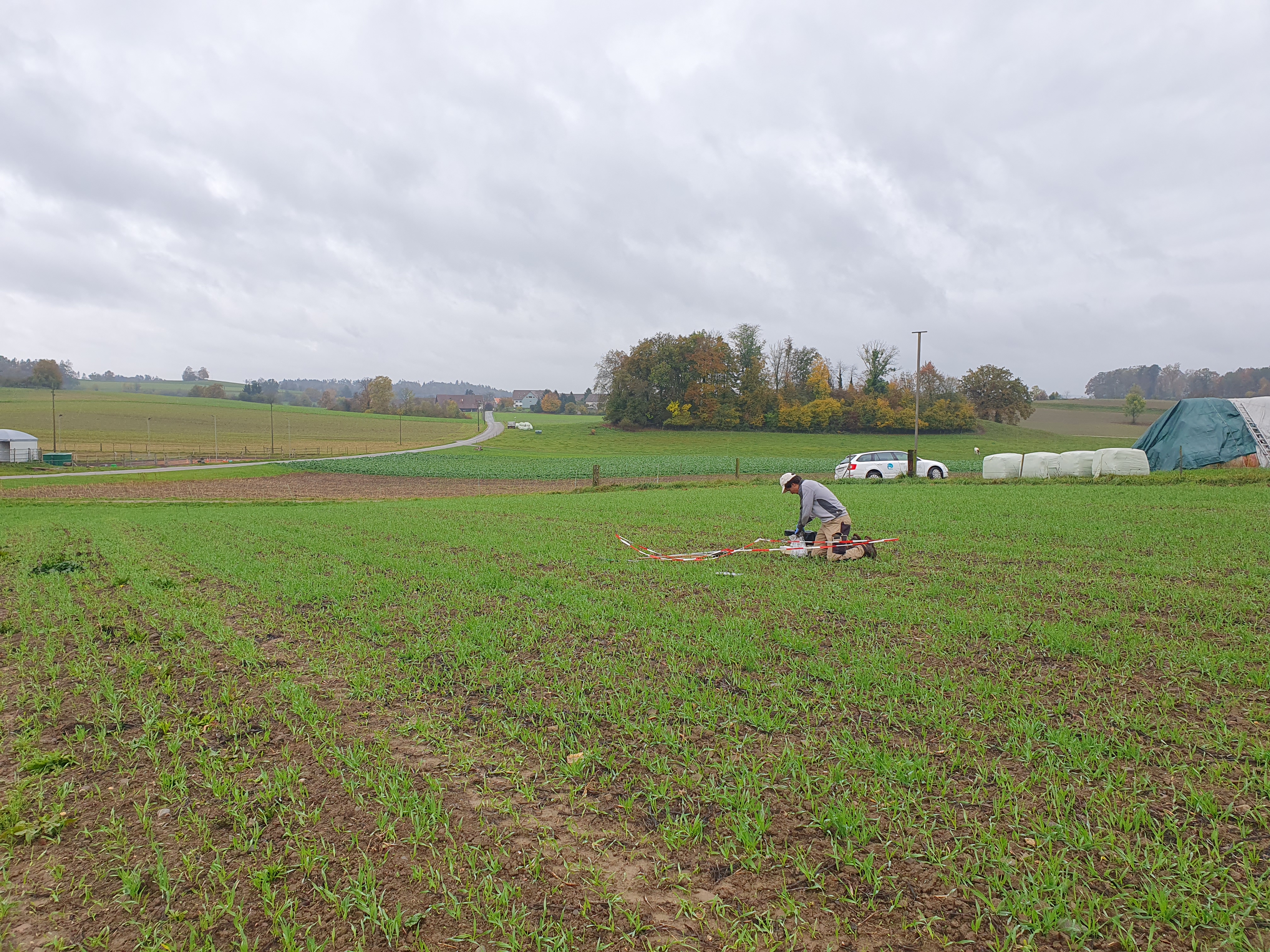
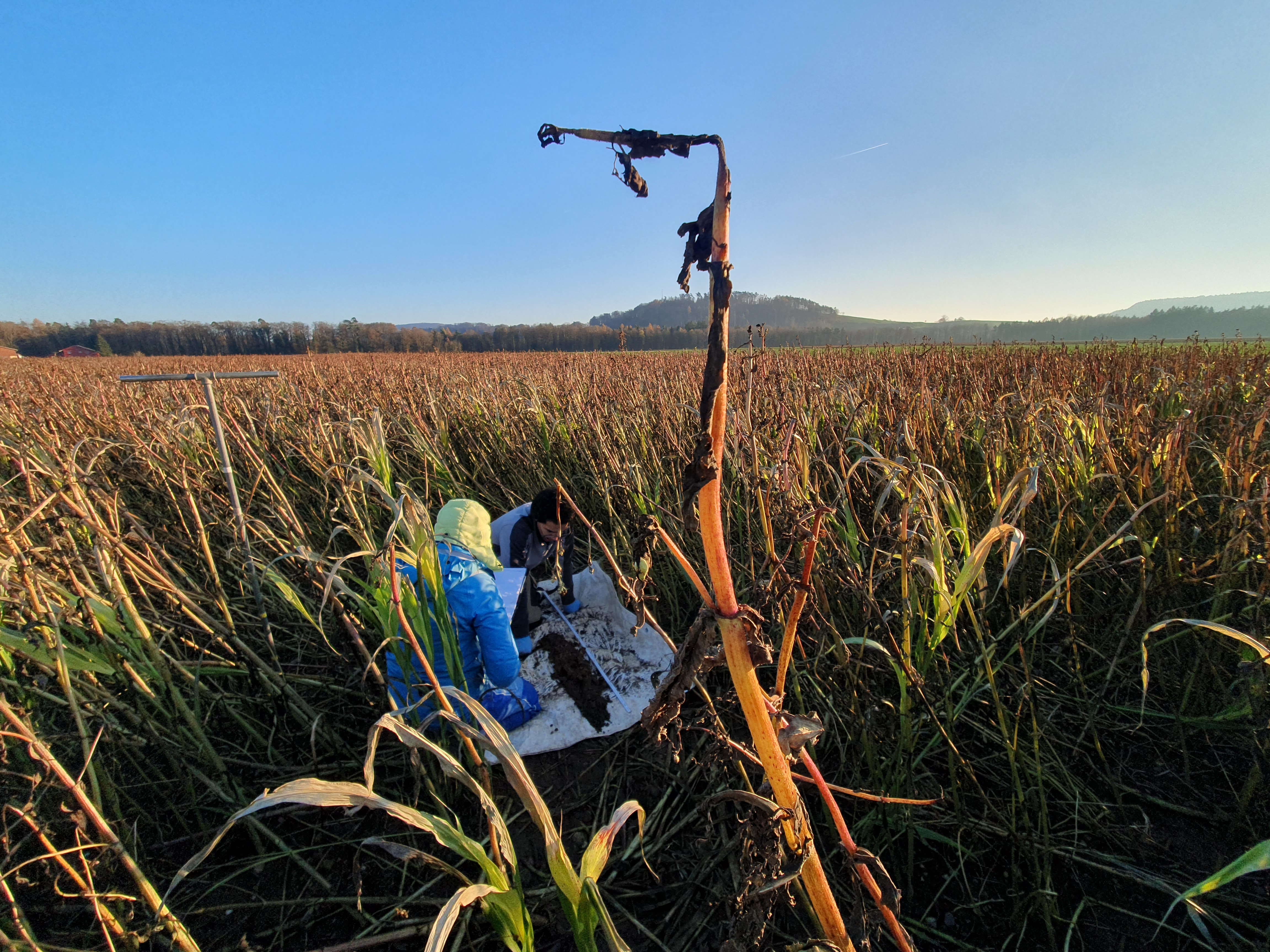
In each pedoclimatic region (i.e. participating country), soil samples from 3 main land-use types (Forest, Grassland and Arable land) of different land-use intensities (e.g. intensive, extensive and conserved grassland) will be collected (see scheme below). In addition, several other land-use type, such as restoration sites, wetlands or urban soils will also be sampled in each country.
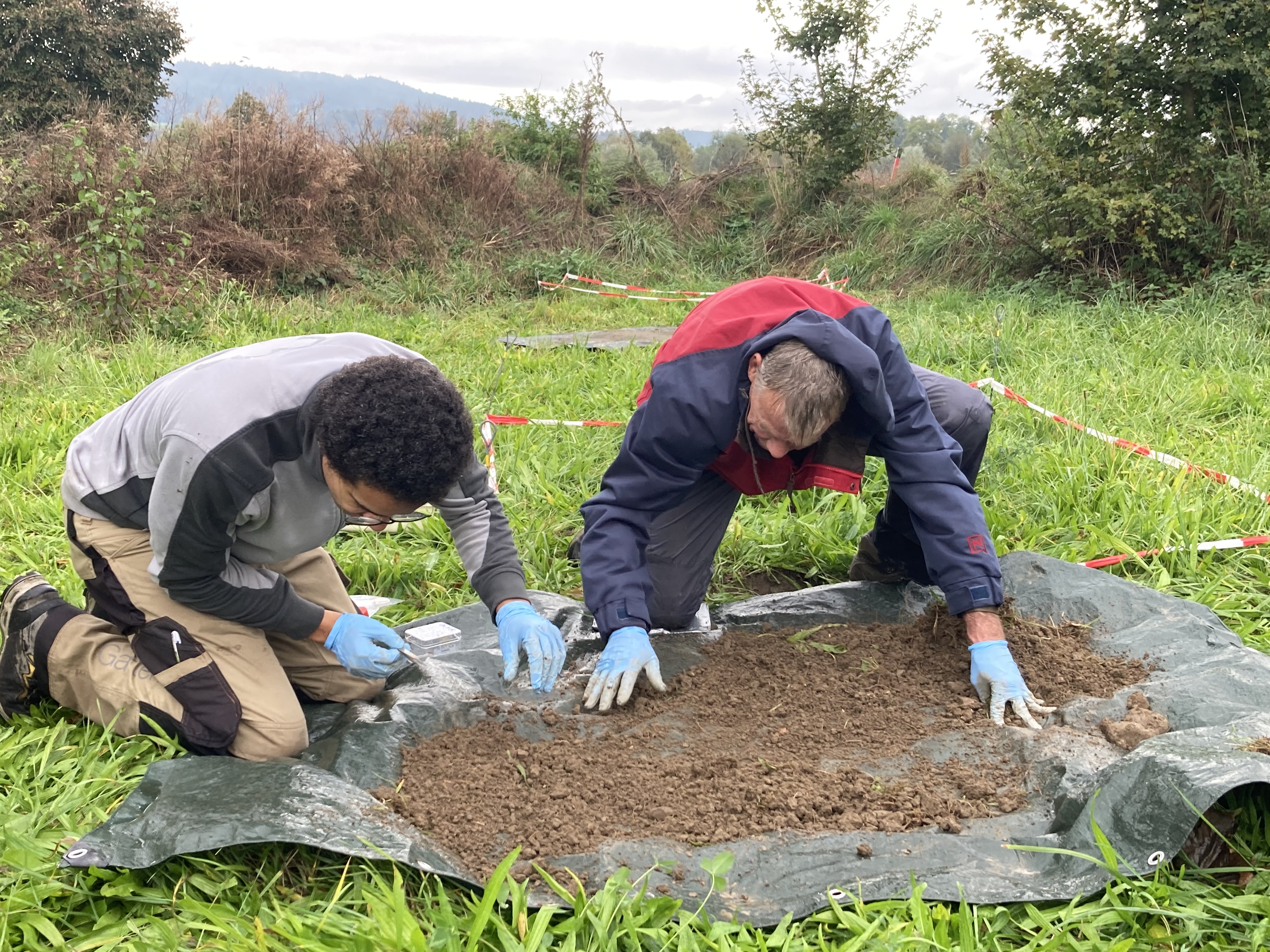
One soil sample will consist of 5-6 soil cores of 5 cm diameter and 10 centimeter long, all collected within 1 square meter. In addition, earthworms will be sampled by hand sorting in one cube of 25cm x 25 cm x 25 cm. All partners across Europe are using the same sampling protocols.

Soil biodiversity assessment 
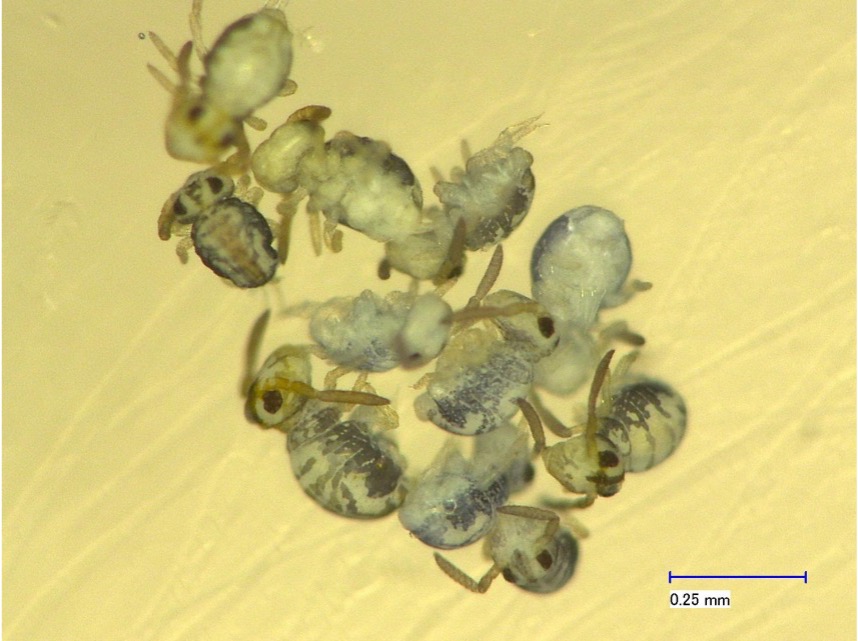
From the soil samples, we will extract and quantify the soil mesofauna (mites and collembola), nematodes, enchytreids, fungi and bacteria using classical identification counting and DNA metabarcoding methods. We will also measure various physico-chemical soil properties and soil functions (soil respiration, potential extracellular enzymes and functional genes involved in the C and N cycles). While the extraction of these soil organisms will be done by each partners, their speciation will be done by a specific partner, specialized in a taxonomic group, who processes all samples from all partners. In that way, comparisons among pedoclimatic zones, land-use and land-use intensities will be feasible.