

23.09.2025

From 24 to 29 August 2025, we hosted the third edition of our Summer School on Blue-Green Biodiversity in Davos. Organized by the WSL Biodiversity Center, WSL, and Eawag, the program welcomed 20 students from 16 institutions in 13 countries across four continents.
Through lectures and excursions in the Swiss Alps, participants explored the ecological, evolutionary, and social dimensions of blue and green ecosystems. A visit to a local restoration project showed the challenges of real-world conservation. In addition, they learned to design a visual abstract and shared their research in a poster session. Lecturers were academics and practitioners from WSL, Eawag, the University of Zurich, ETH Zurich, the Swiss Biodiversity Forum, and Auin AG.
Each summer school is unique, bringing its own unexpected turns. This year was no exception; heavy rains in the final days, coinciding with a planned mountain excursion, required some last-minute adjustments. Still, the creativity and flexibility of the participants and lecturers turned this challenge into an opportunity for collaboration, learning, and a few memorable field stories.
The feedback from the students was overwhelmingly positive. Participants highlighted how the summer school deepened their understanding of blue-green linkages and the interdependencies between social and ecological systems. They also valued the feedback they received from lecturers and peers, as well as the welcoming international atmosphere.
Below are reflections from four participants on the summer school.

Esther Adwoa Asantewaa
Kwame Nkrumah University of Science and Technology, Ghana
The Blue-Green Biodiversity Summer School 2025 in Davos was incredibly transformative. Set against the Swiss Alps, it offered a unique platform to explore the vital connections between aquatic and terrestrial ecosystems through lectures, field excursions, and group discussions.
The program created a friendly environment where we could exchange ideas, present our thesis works, and learn from leading experts. For early-career researchers and Master's students like me I felt more confident as a young conservation scientist after presenting my findings and getting helpful criticism, which improved my research.
Being surrounded by mostly PhD students and postdocs motivated me to push my learning further, while the diverse network of participants sparked exciting ideas for future collaborations. More than a summer school, it was a global community of passionate conservationists committed to driving change.

Daniel Santander Urrutia
Kiel University, Germany
Participating in the Blue Green Biodiversity Summer School in Davos was a transformative experience that I will carry with me forever. Being in Europe's highest alpine resort, surrounded by clean mountain air, the fresh wind that blows through the valleys, the icy waters, and the unmistakable scent of the forests, was in itself a reminder of why we work to protect and restore ecosystems.
The hospitality and warmth of our location made each day begin with a sense of welcome, creating a perfect environment for academic and human exchange. All the talks were of an extraordinary level and led by professionals deeply committed to understanding biodiversity and contributing to a more sustainable future. The combination of theory, critical discussion, and field experience made every moment a genuine learning opportunity.
I am deeply grateful for the inspiring people I met during these days: colleagues, professors, and friends with whom I hope to stay connected. This experience not only enriched my research on greenhouse gas modeling in rehydrated wetlands, but also changed the way I see the world and the path I want to take.
Thank you for making this enriching encounter possible.

Rafaela Jardim
Federal University of Parana, Brazil
During the six days of the course, I took part in various activities involving socioeconomic issues and ecological concepts from a multidisciplinary approach, connecting theory with field experience to explore biodiversity from different scientific perspectives. The schedule included lectures, practical activities, social discussions, group dynamics, and field trips, during which I came into contact with the biodiversity of the Alpine region. In addition to the activities, I presented the results of my master's thesis for the first time in a poster, which was evaluated by my classmates, who provided insights that complemented my training and added different perspectives to the continuity of my work.
It was also my first trip abroad, and I consider the outcome to be very positive. It was an empowering experience in every sense, as I spent a week connecting with 20 other young researchers from around the world, exchanging experiences and insights. In addition, it was a valuable opportunity to practice English and expand my network of contacts and scientific collaborations.
Having the courage and desire to take this course was definitely one of the best things I did during my master's degree. Despite the butterflies in your stomach, the adventure is worth it!

Collins Oduro
Ningbo University, China
This program offered the perfect balance between theory and practice, combining in-depth discussions with hands-on experiences in the field and in the setup lab. What made it truly unique was the diversity of the cohort: from master’s students to postdoctoral fellows, representing continents across the globe. It was one of a kind, and I feel privileged to have been part of it.
Many thanks to the organizers for making this possible.
Fun fact: during one of the sampling sessions, I lost my glasses to the river, guess the next Bingo is easy.
A few photos from our summer school 
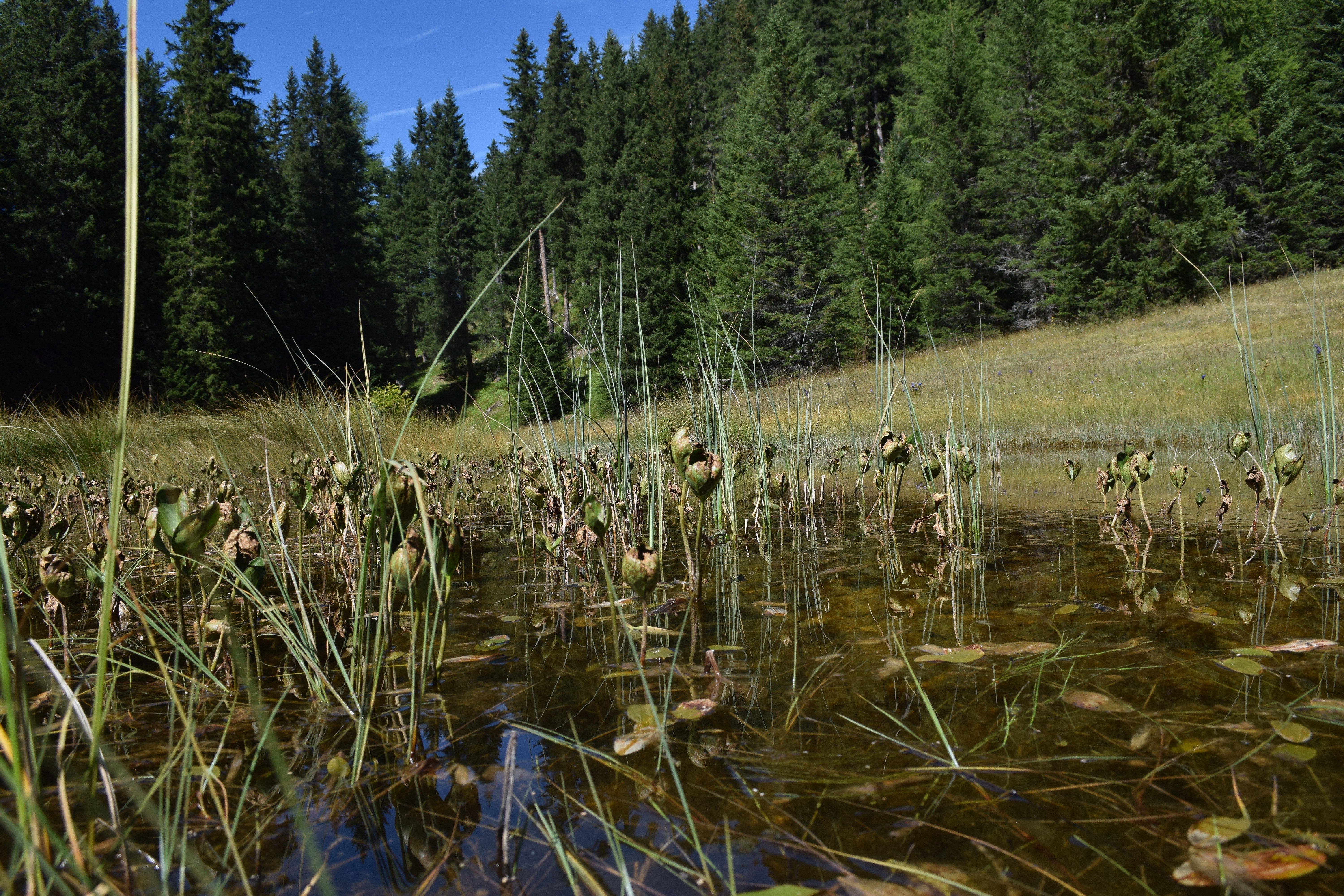
Excursion to Alpflix.
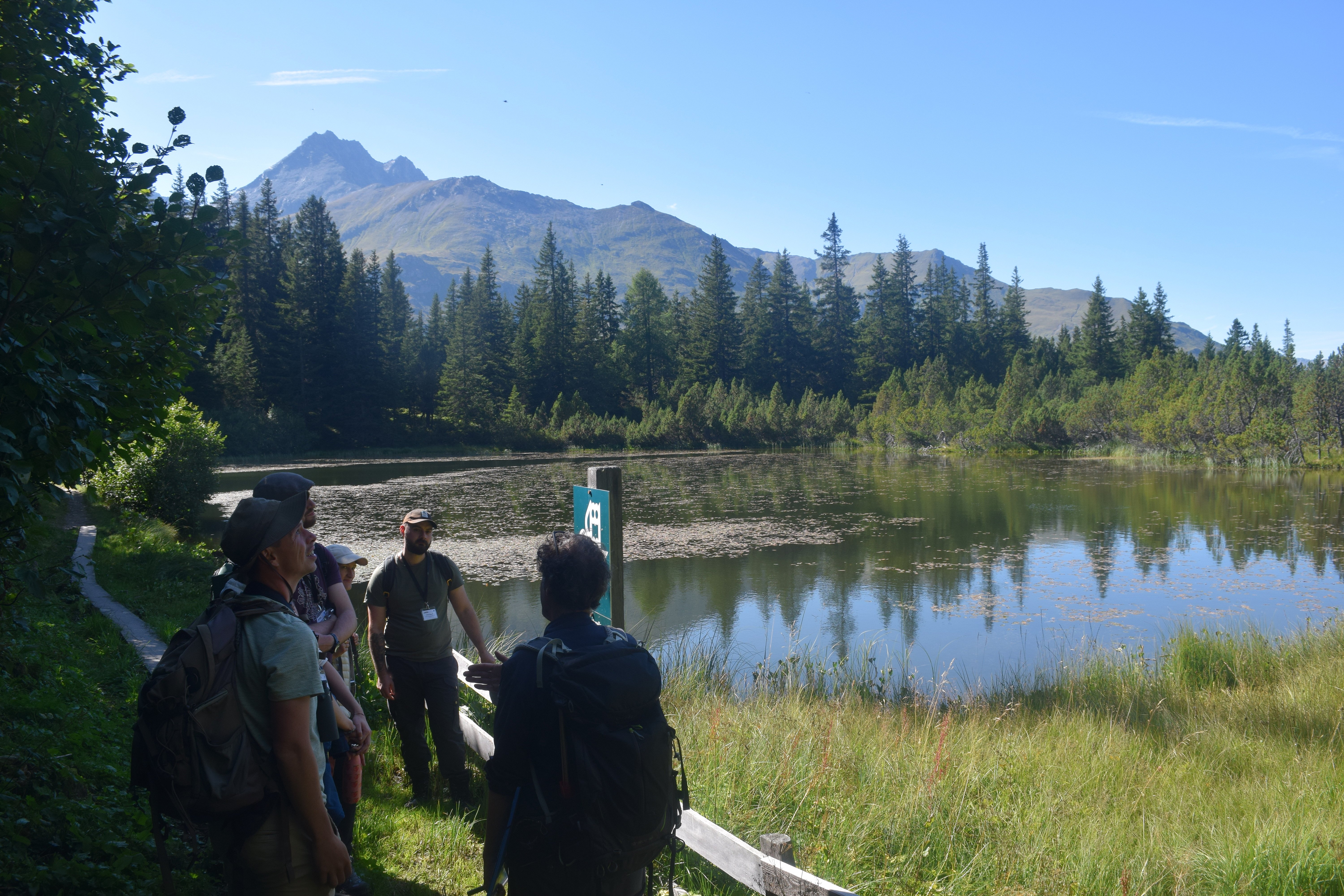
Excursion to Alpflix.
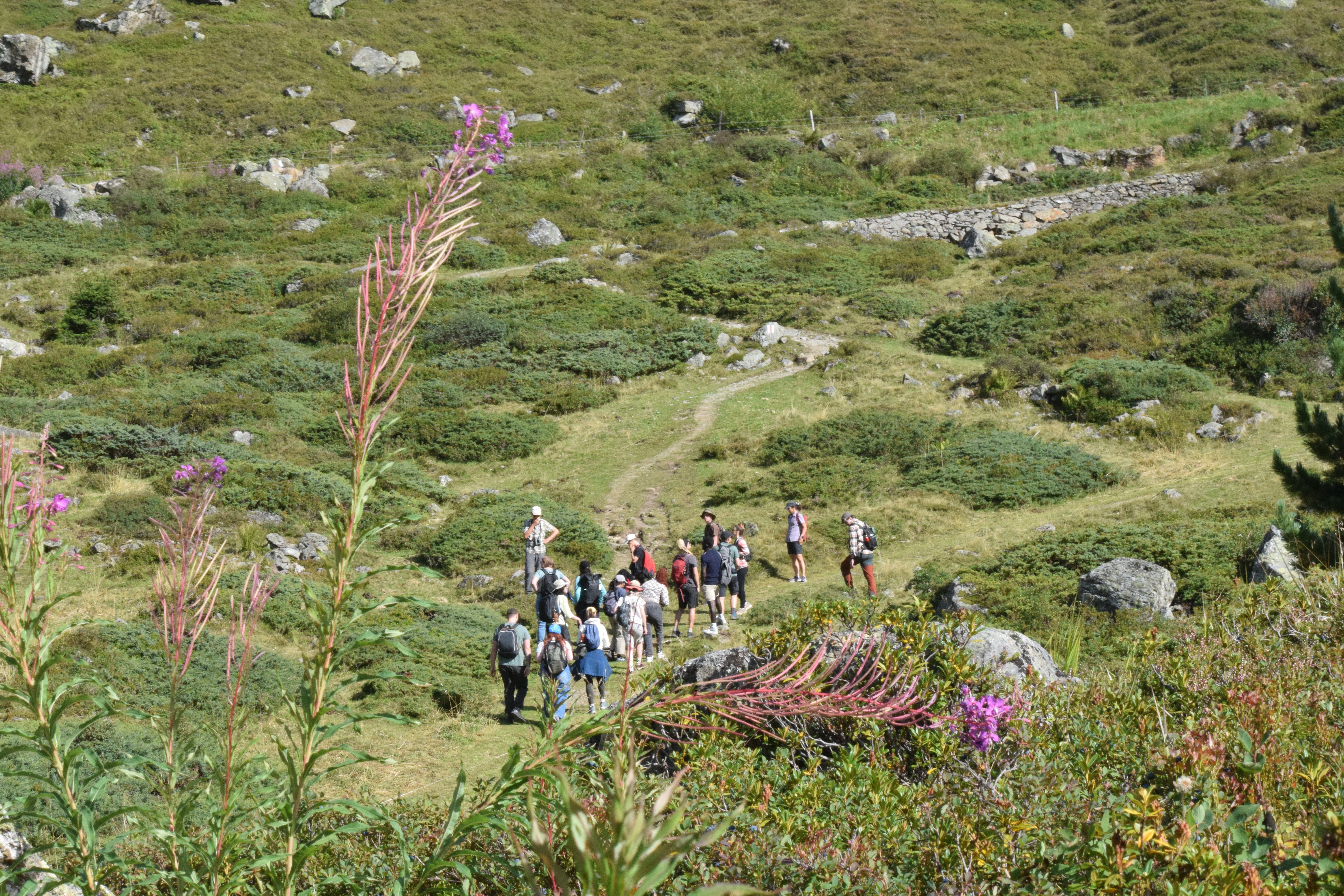
Excursion to Dischmatal.
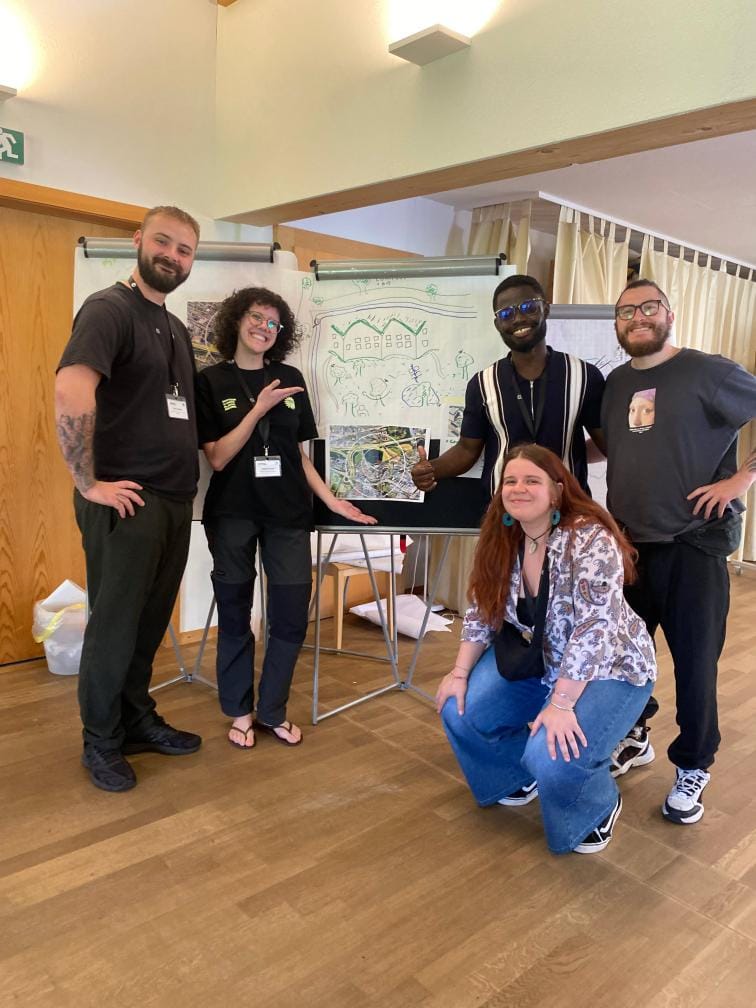
Presenting their group work assignment.
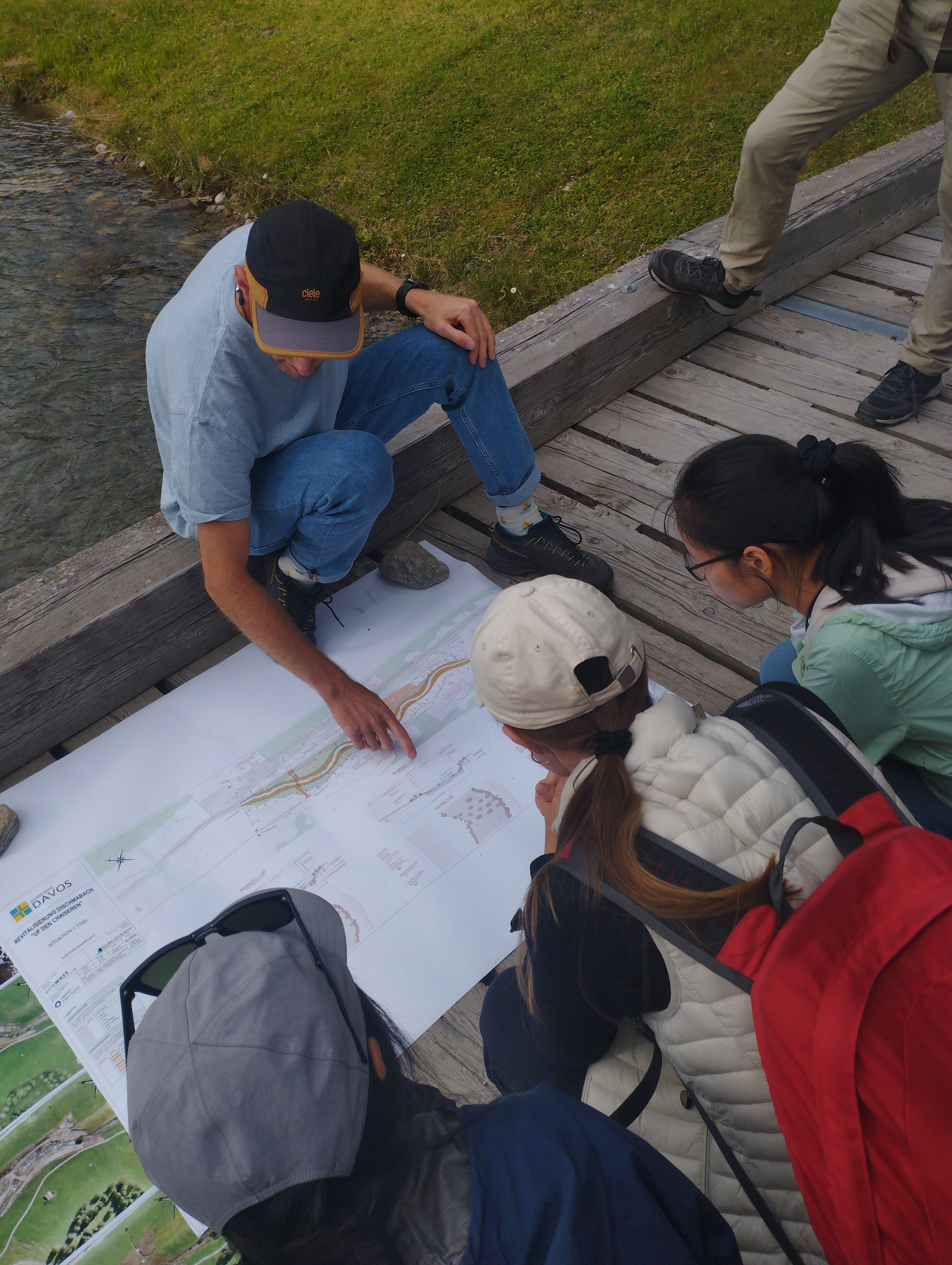
Visiting a restoration project in the Dischmatal.
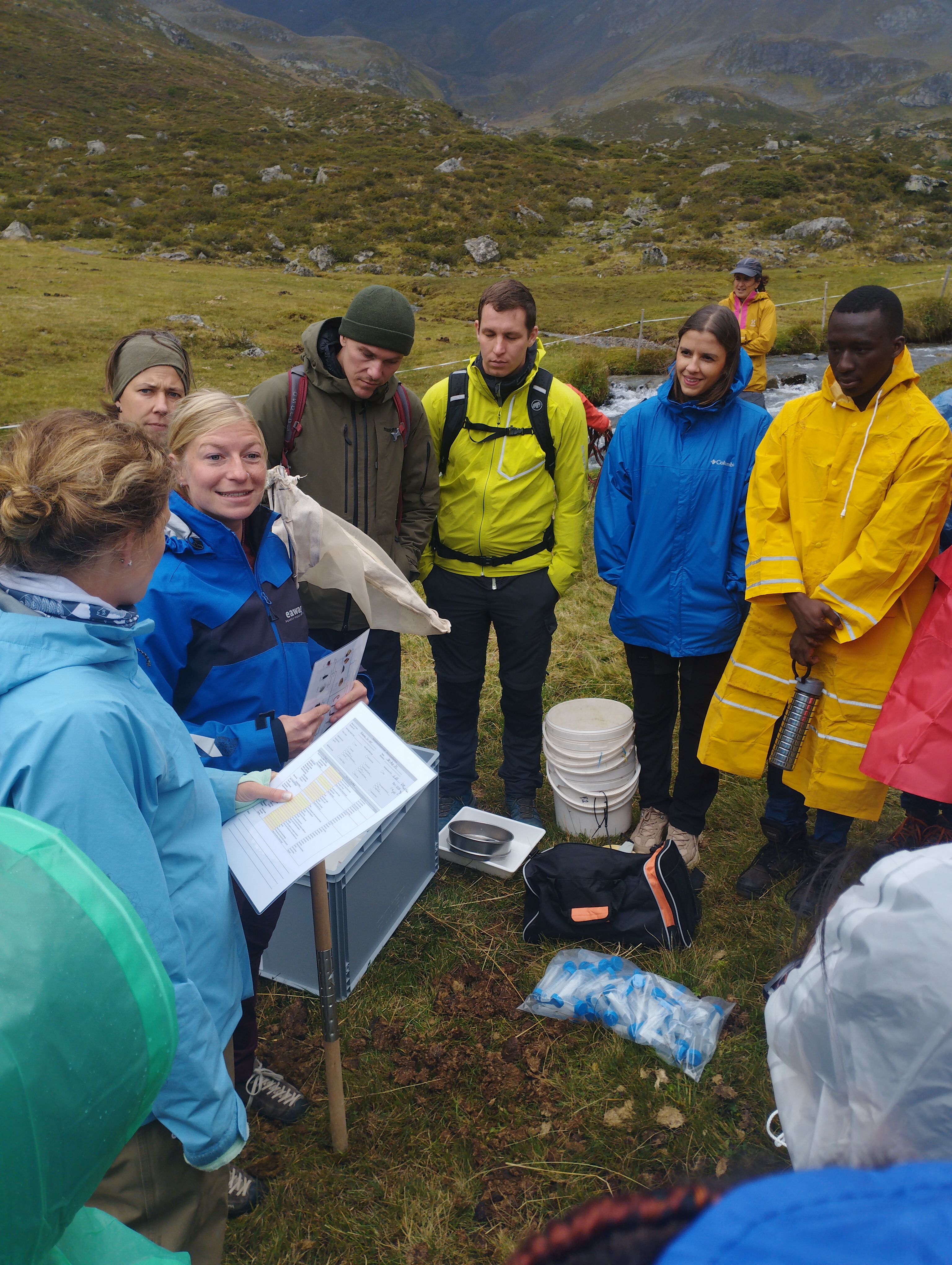
Excursion to Dürrboden.
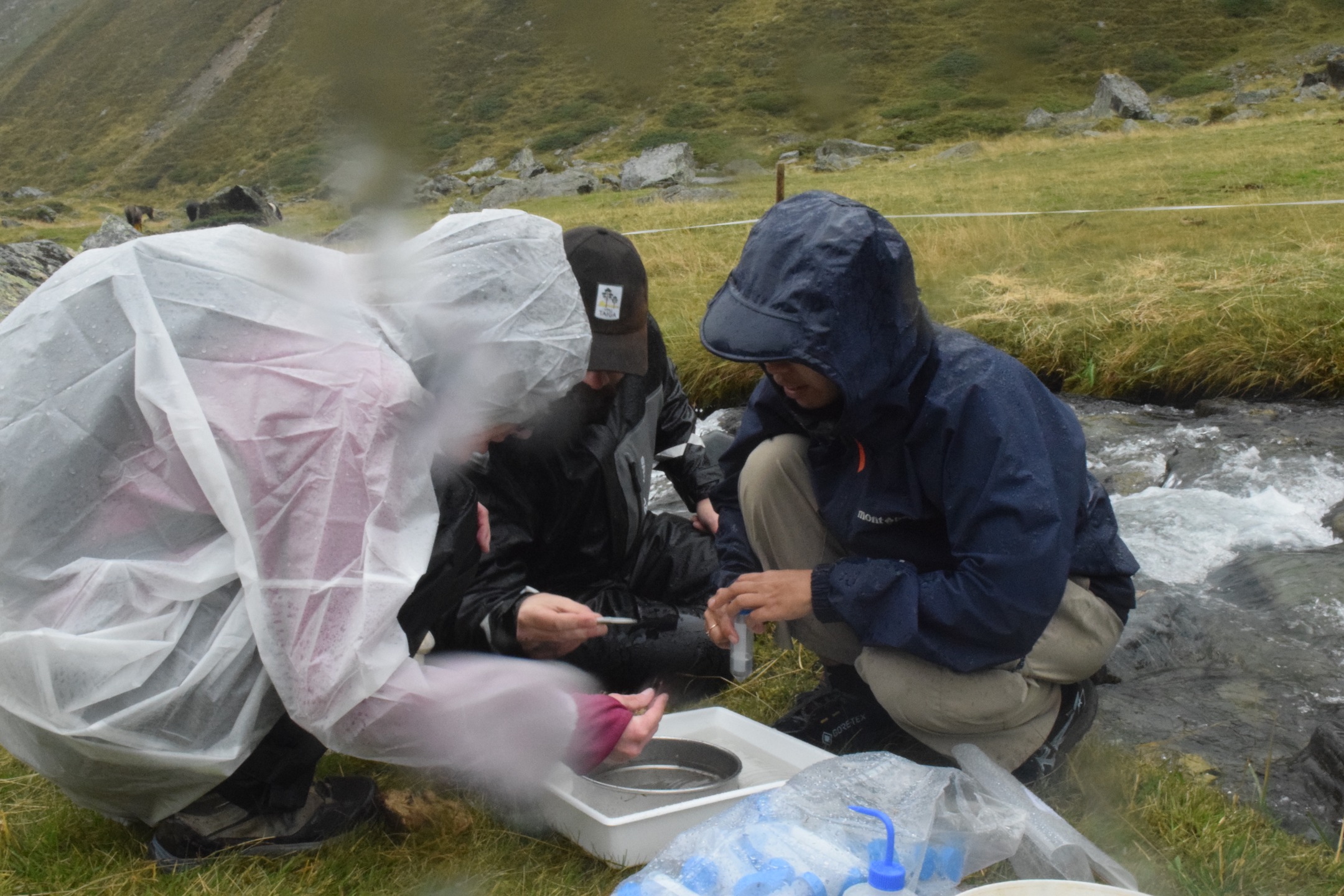
Participants sampling aquatic macroinvertebrates.
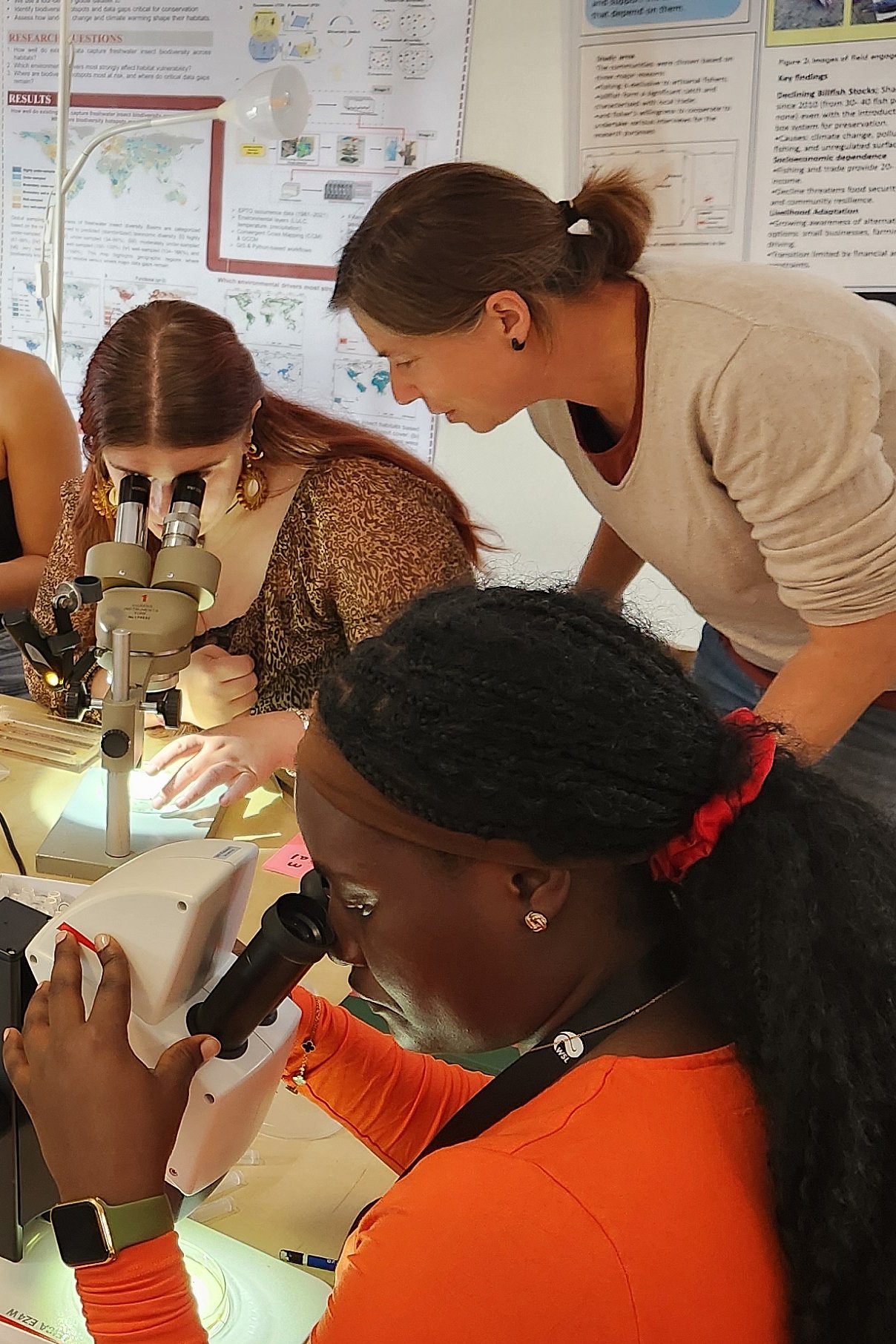
Analyzing samples in the lab.
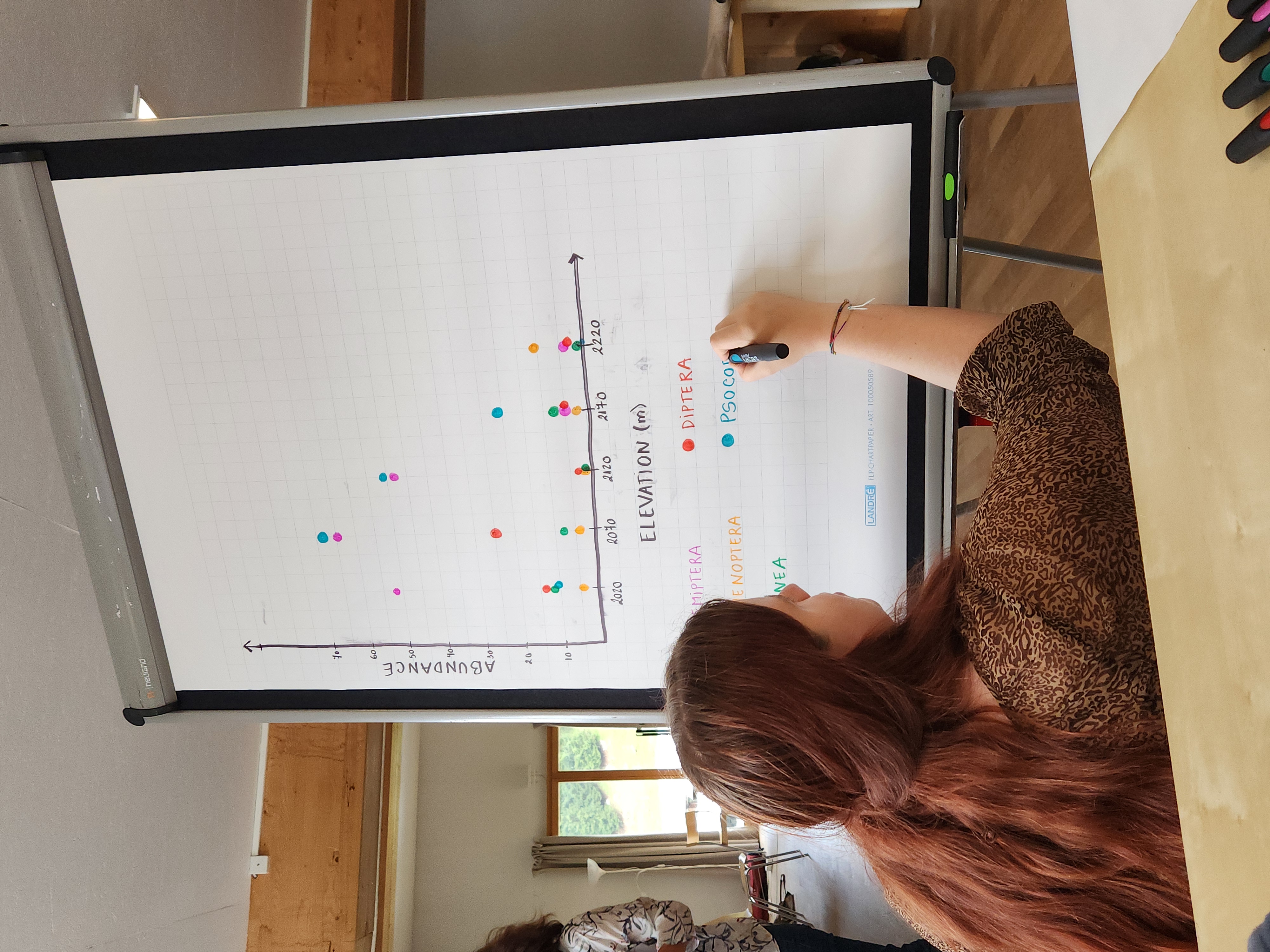
Analyzing data collected in the field.
We would like to thank all participants and lecturers for their engagement and contributions, which made our summer school a success!
Photo credits: Esther Adwoa Asantewaa, Daniel Santander Urrutia, Rafaela Jardim, Collins Oduro, and other participants of the BGB Summer School 2025.