

12.11.2025 | Sofía Morgade | Beate Kittl | WSL News
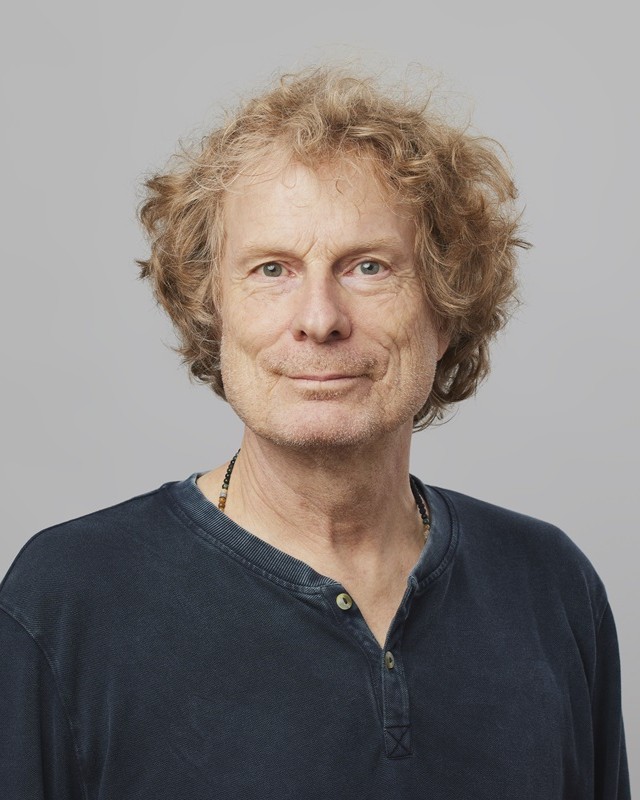
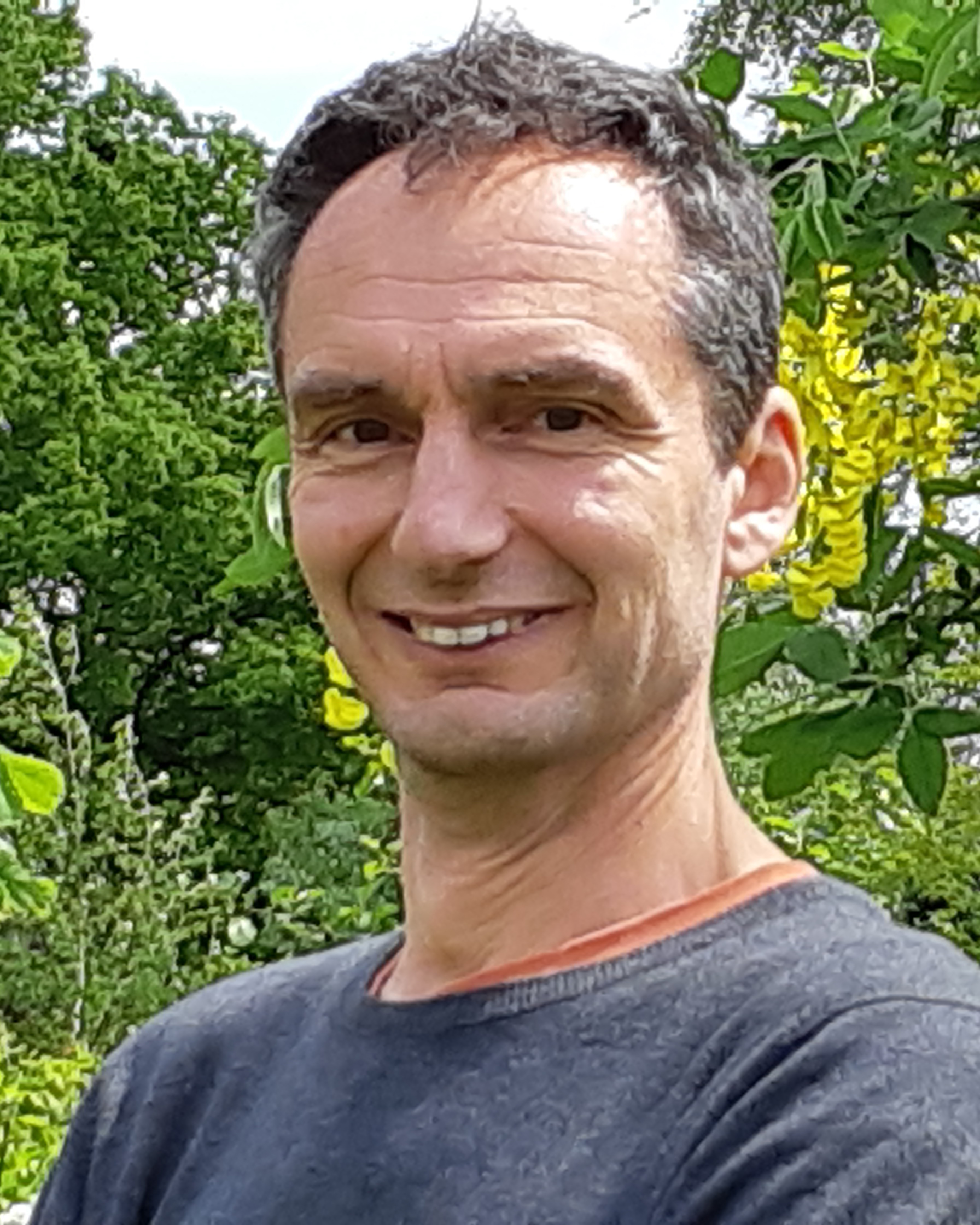
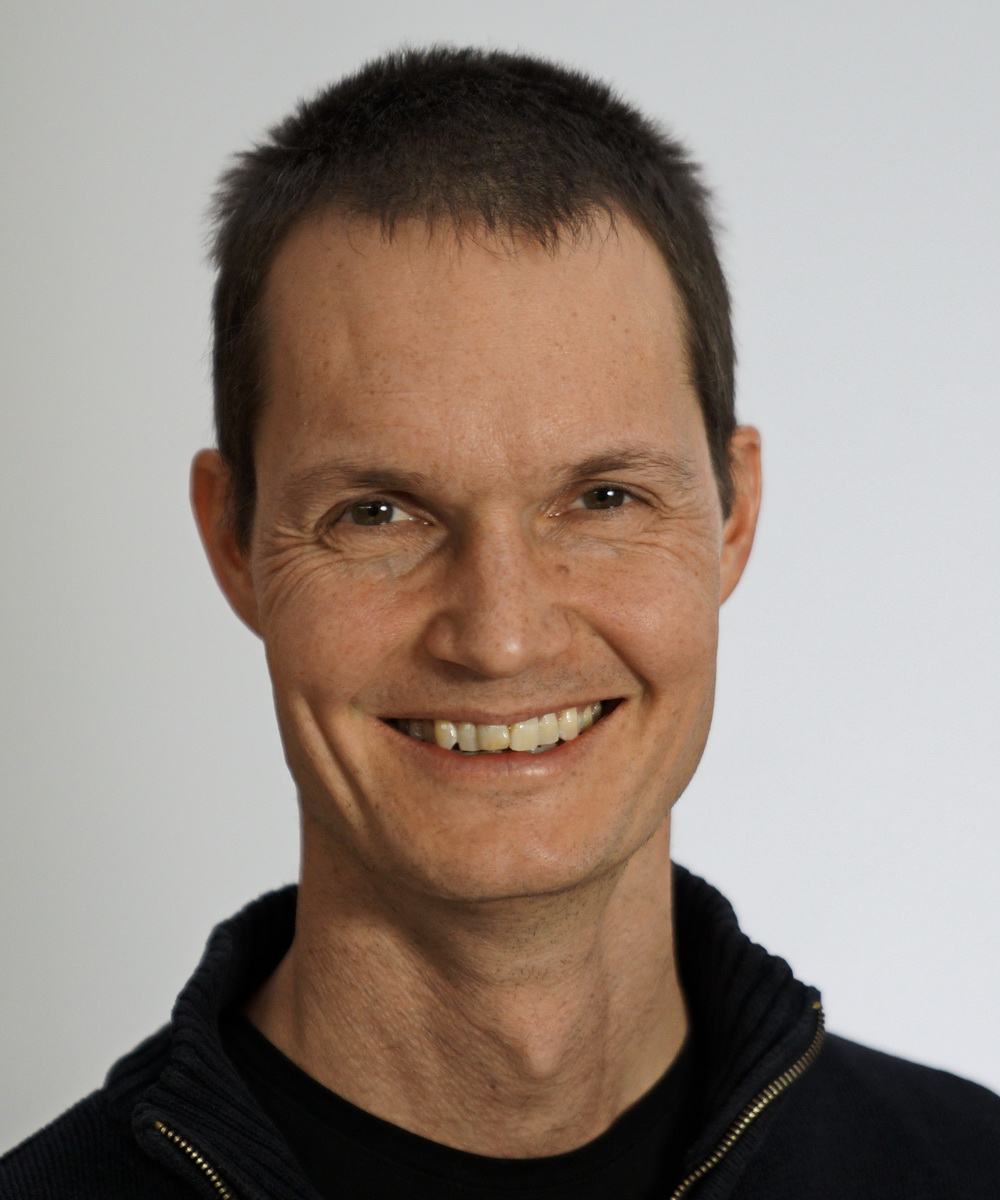
Seven WSL researchers are listed this year in Clarivate Analytics’ “Highly Cited Researchers” list. This list includes researchers whose scientific work has had a disproportionately significant and far-reaching influence in their fields of research. New additions this year are Katrin Meusburger and Yann Vitasse from WSL.
The “Highly Cited Researchers” list, published by Clarivate Analytics, includes researchers who have had a significant impact on their field by publishing several frequently cited papers over the past decade. This year, Clarivate listed 6,868 individuals from more than 1,300 institutions in 61 countries and regions. With 130 nominees this year, Switzerland ranks ninth, once again making it into the top ten.
Two new scientists from WSL have been honoured this year. Both are listed on the cross-field list. This brings the total number of WSL-associated researchers on the list this year to seven.
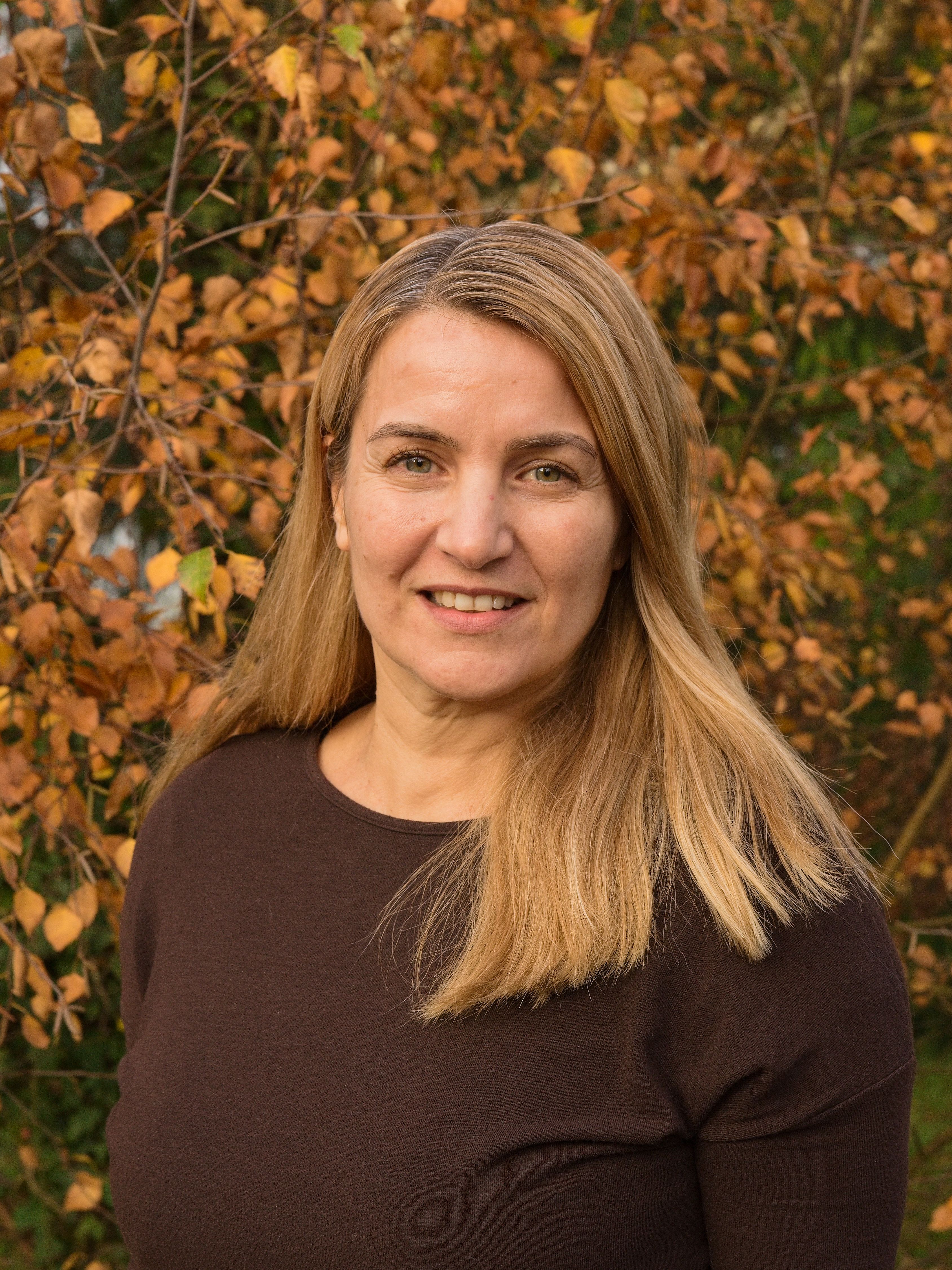
Katrin Meusburger investigates how soils store water and transfer it to plants and watercourses. She combines field measurements, maps and models to identify risks such as drought and degradation at an early stage. In this way, she aims to create practical foundations to ensure that soils retain their functions even in the face of global change. Since July 2025, she is head of the “Soil Functions and Dynamics” group at WSL.
Meusburger studied hydrology in Freiburg im Breisgau (Germany) and obtained her doctorate at the University of Basel. She played a key role in the European and global soil erosion modelling and established the WSL’s soil moisture monitoring network for Swiss forests. She has co-authored around 110 scientific publications (ISI).
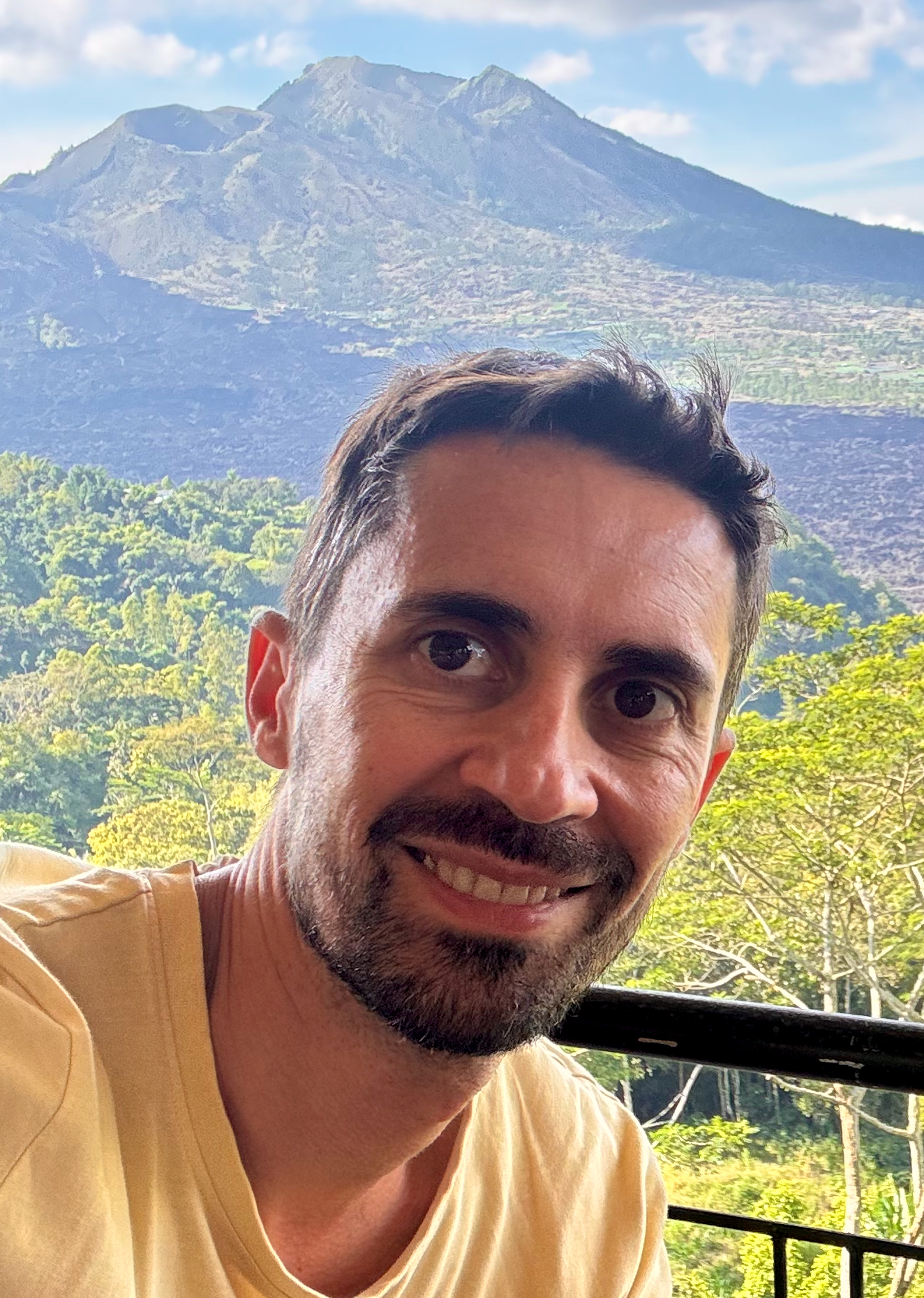
Yann Vitasse is researching how the seasonal rhythms of nature – such as bud break, flowering and leaf colour change – are changing due to environmental factors and climate change. He is interested in when trees start to get sensitive to warmer temperatures during winter dormancy and how their growth rate and development during summer affects the timing of autumn senescence. He also investigates how trees respond to extreme events such as late frost or drought in order to better predict the adaptability of forests to a warmer climate. This is aimed at helping the forest managers in selecting tree species for the future.
Vitasse studied biology at the University of Bordeaux, where he also obtained his doctorate. He has been co-leader of the WSL research group “Ecosystem Ecology” since September 2025 and has published around 110 scientific publications (ISI). He also founded the Swiss National Science Foundation’s Agora project PhenoRangers, in which nature conservation rangers use the seasons to educate the interested public about climate change issues.
The following five researchers from WSL were already on the list in previous years and have been listed once again:
Niklaus Zimmermann was nominated in the category “Environment and Ecology” as one of 239 researchers worldwide. In his research, Zimmermann investigates the causes of large-scale to global patterns in plant and animal biodiversity. He uses various computer models to analyse and explain these patterns. Zimmermann is a senior scientist at WSL, heads the “Dynamic Macroecology” research group and is an adjunct professor at ETH Zurich. He has co-authored around 300 scientific articles, including two of the most cited in the field of ecology and the environment, as well as a widely acclaimed textbook.
Arthur Gessler was nominated again this year in the “Plant and Animal Science category”, as one of 166 researchers worldwide. Gessler researches the adaptability of plants, especially forest trees, to changing environmental conditions. Since 2025, Gessler has headed the “Forest and Soil Ecology” research unit at WSL, as well as the SwissForestLab research network and the Long-term Forest Ecosystem Research programme. He is an adjunct professor at ETH Zurich and has co-authored around 370 scientific articles.
Peter Verburg was ranked among the 260 most influential researchers in the field of social sciences. The geographer works at Vrije Universiteit Amsterdam in the Netherlands on land use development and spends part of his time at WSL.
Daniel Farinotti is listed as one of the 159 most influential researchers in the field of geosciences. The glaciologist is developing new methods at ETH Zurich and WSL to estimate ice thickness, predict glacier changes and quantify the impact on water availability.
Matthias Huss is also listed in geosciences as one of 159 researchers worldwide. Huss conducts research at ETH Zurich and WSL on the response of glaciers to climate change and the corresponding effects on water runoff and landscape change. He heads the Swiss glacier monitoring network GLAMOS.

Contact 
Copyright 
WSL and SLF provide image and sound material free of charge for use in the context of press contributions in connection with this media release. The transfer of this material to image, sound and/or video databases and the sale of the material by third parties are not permitted.