

18.11.2026 | Beate Kittl | WSL News
Seven WSL researchers are listed this year too in Clarivate Analytics’ “Highly Cited Researchers” list. This list includes researchers whose scientific work has had a disproportionately significant and far-reaching influence in their fields of research. The new addition this year is Charlotte Grossiord from WSL and EPFL.
The “Highly Cited Researchers” list, published by Clarivate Analytics, includes researchers who have had a significant impact on their field by publishing several frequently cited papers over the past decade. This year, Clarivate listed 6,802 individuals from 62 countries. With 151 nominees this year, Switzerland ranks 8th, once again making it into the top ten.
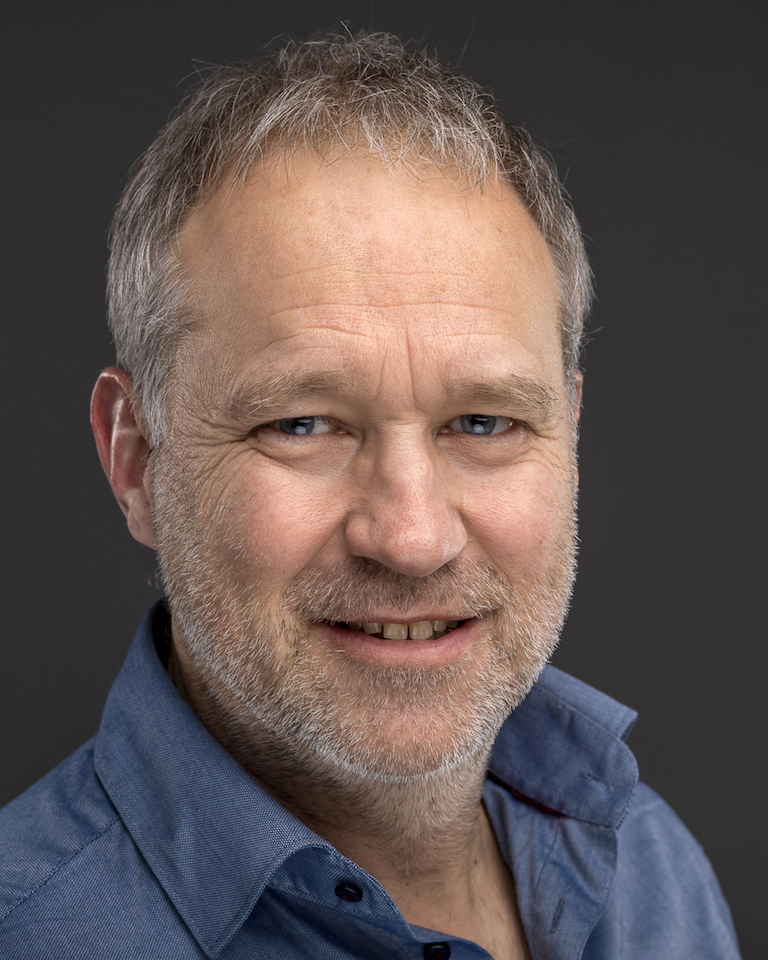
A new scientist from WSL has been honored this year: Charlotte Grossiord is listed on the cross-field list. This brings again the total number of WSL-associated researchers on the list this year to seven.
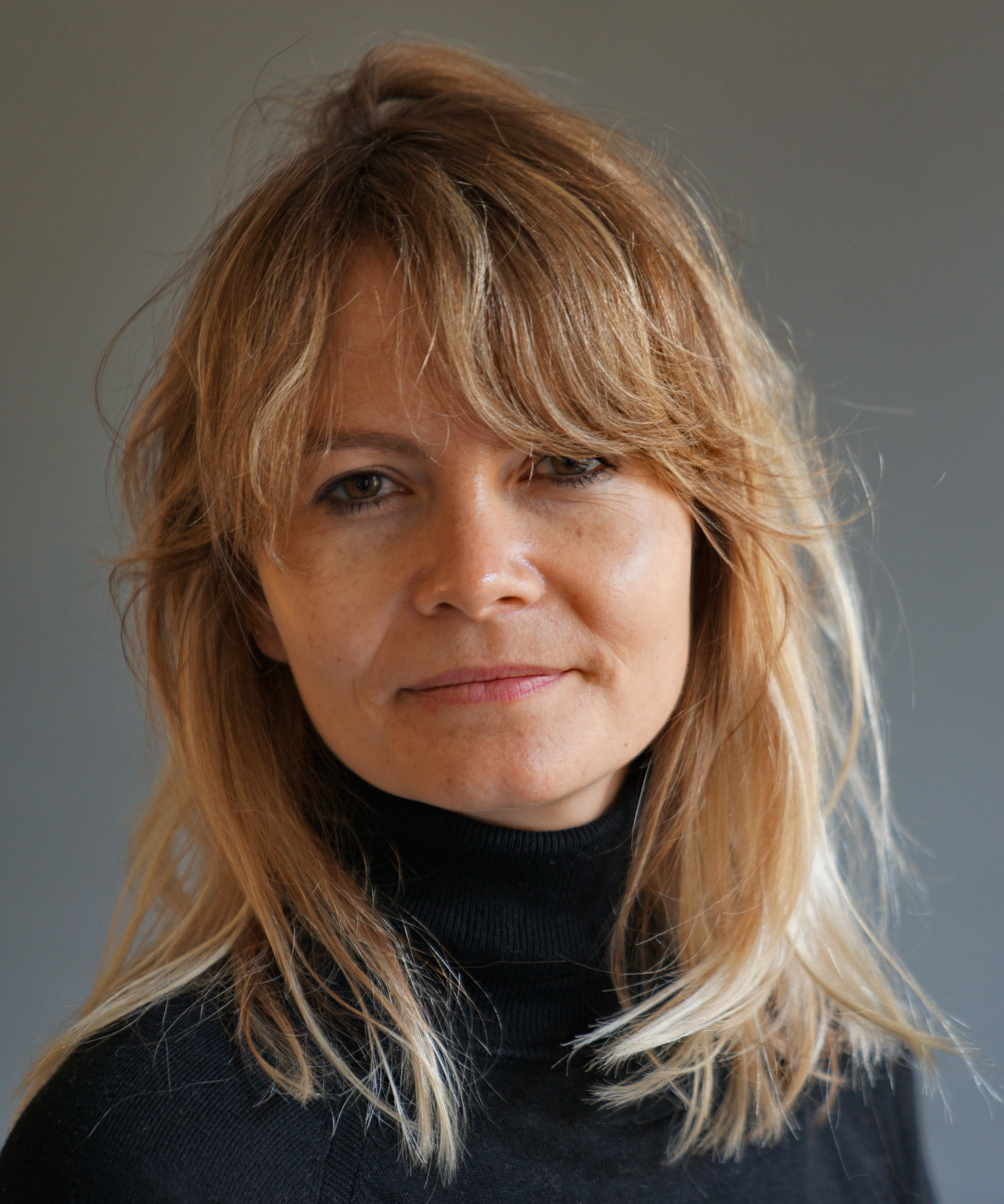
Charlotte Grossiord analyses how forests respond to climate change, particularly in an increasingly hot and dry atmosphere. She and her team are investigating this through field experiments, laboratory work and remote sensing methods. To this end, they occasionally subject trees to extreme conditions to understand when and why they reach their tolerance limits. Grossiord’s research thus provides fundamental insights into how plants and ecosystems function in the context of climate change. Grossiord heads WSL’s ‘Functional Plant Ecology’ research group, and her laboratory is based at the School of Architecture, Civil and Environmental Engineering (ENAC) at EPFL. She has published around 135 scientific publications (ISI).
The six following researchers from WSL were already on the list and they were honored this year as well:
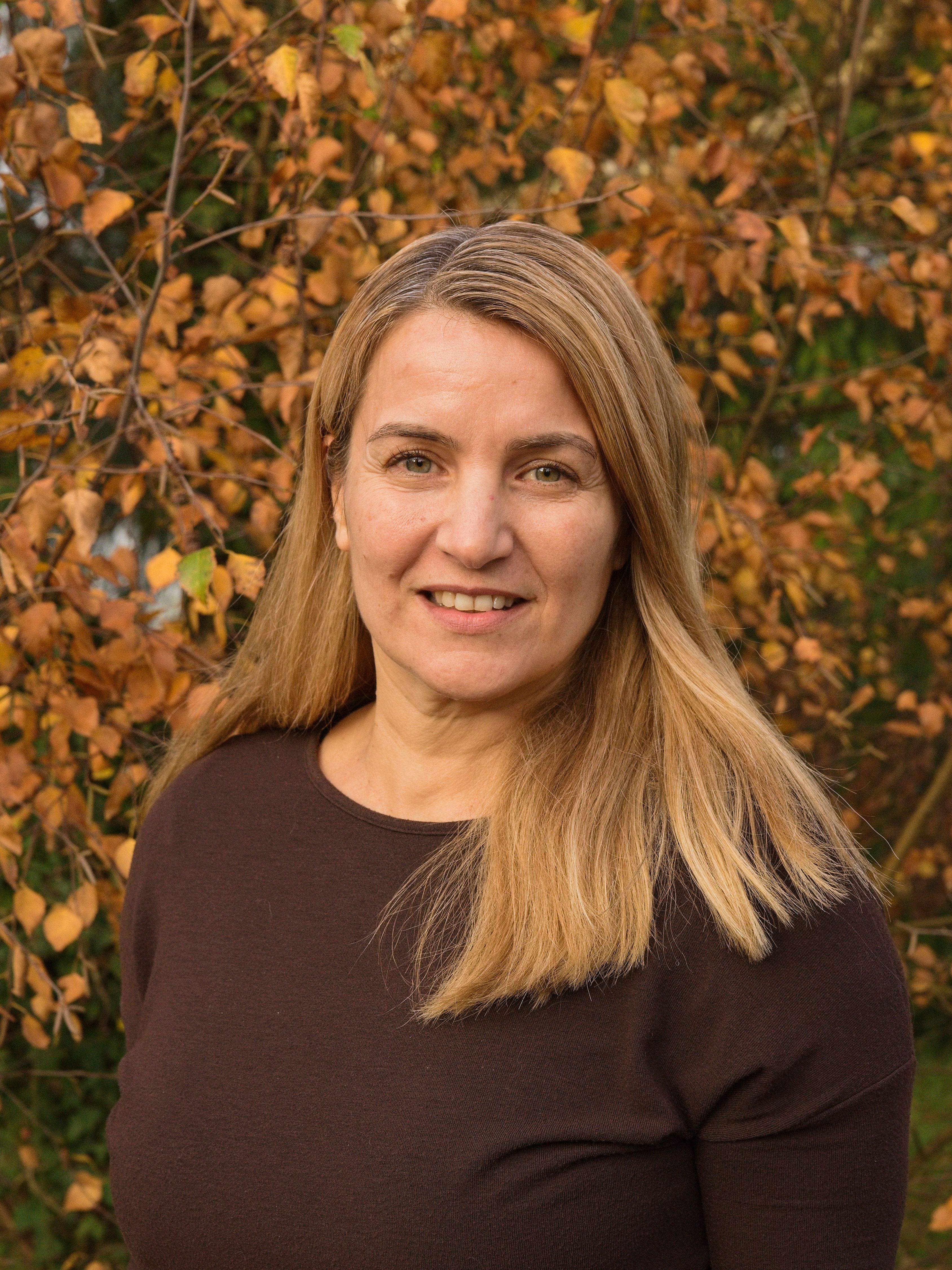
Katrin Meusburger investigates how soils store water and transfers it to plants and watercourses. She combines field measurements, maps and models to identify risks such as drought and degradation at an early stage. In this way, she aims to create practical foundations to ensure that soils retain their functions even in the face of global change. Since July 2025, she is head of the “Soil Functions and Dynamics” group at WSL and she is also an adjunct professor at ETH Zurich. She established the WSL’s soil moisture monitoring network for Swiss forests and co-authored around 110 scientific publications (ISI).
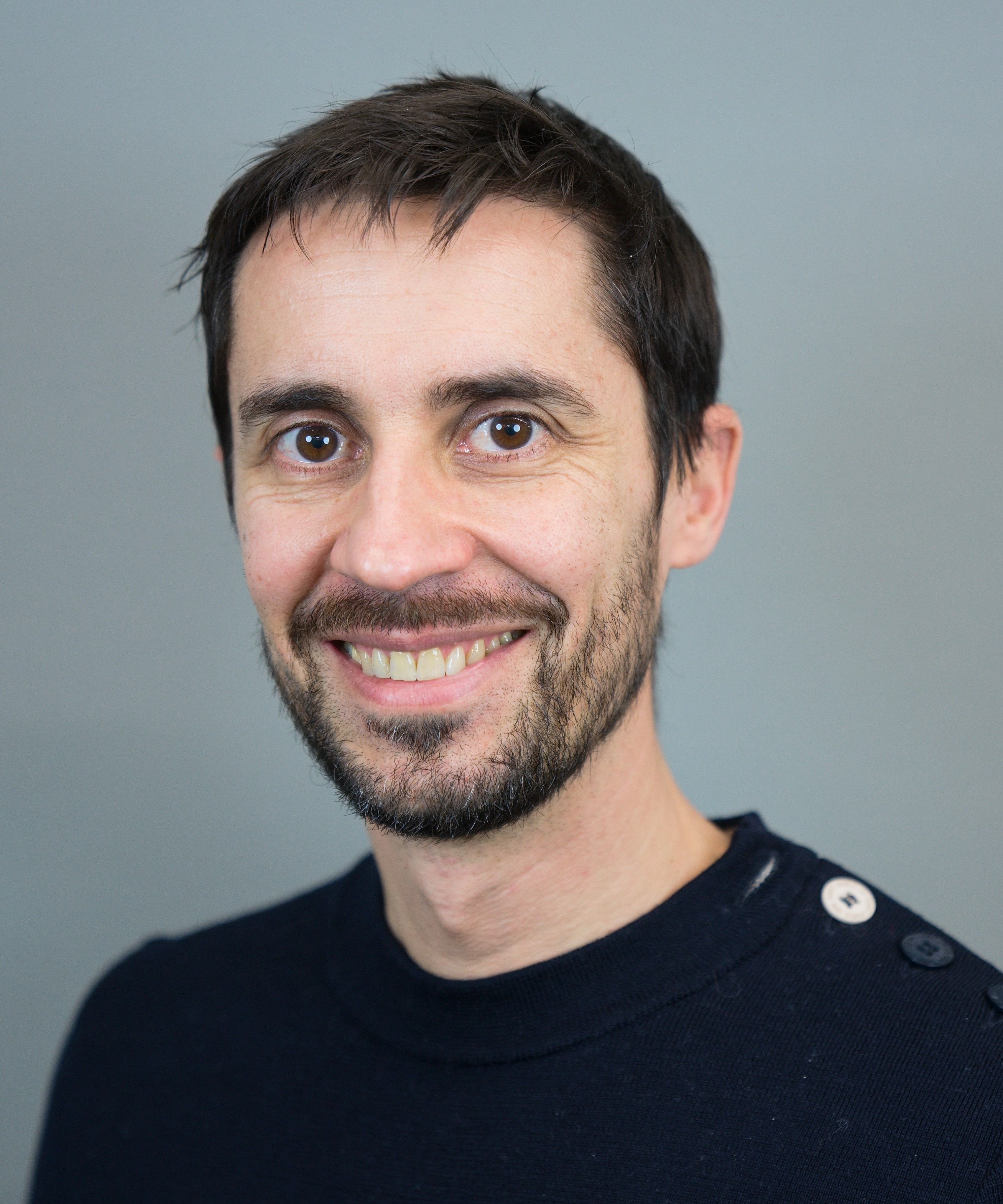
Yann Vitasse is researching how the seasonal rhythms of nature – such as bud break, flowering and leaf colour change – are changing due to environmental factors and climate change. This is aimed at helping the forest managers in selecting tree species for the future. He has been co-leader of the WSL research group “Ecosystem Ecology” since September 2025 and has published around 130 scientific publications (ISI). He is also affiliated to University of Bern through the Oeschger Centre for Climate Change Research (OCCR).
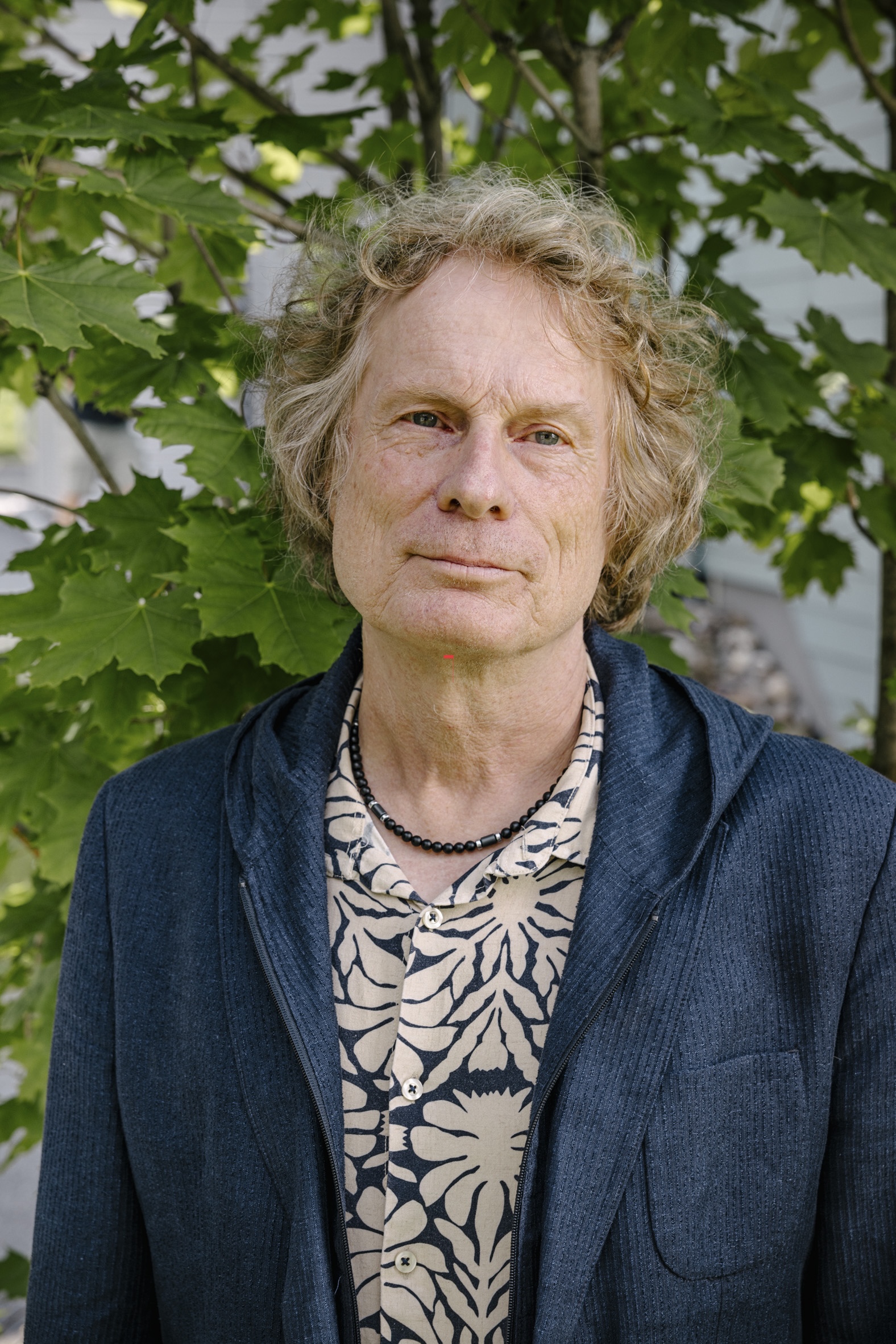
Niklaus Zimmermann was nominated in the category “Environment and Ecology” as one of 239 researchers worldwide. In his research, Zimmermann investigates the causes of large-scale to global patterns in plant and animal biodiversity. He uses various computer models to analyse and explain these patterns. Zimmermann is a senior scientist at WSL, heads the “Dynamic Macroecology” research group and is an adjunct professor at ETH Zurich. He has co-authored around 300 scientific articles, including two of the most cited in the field of ecology and the environment, as well as a widely acclaimed textbook.
Arthur Gessler was nominated again this year in the “Plant and Animal Science category”, as one of 166 researchers worldwide. Gessler researches the adaptability of plants, especially forest trees, to changing environmental conditions. Since 2025, Gessler has headed the “Forest and Soil Ecology” research unit at WSL, as well as the SwissForestLab research network and the Long-term Forest Ecosystem Research programme. He is an adjunct professor at ETH Zurich and has co-authored around 370 scientific articles.
Daniel Farinotti is listed as one of the 159 most influential researchers in the field of geosciences. The glaciologist is developing new methods at ETH Zurich and WSL to estimate ice thickness, predict glacier changes and quantify the impact on water availability.
Matthias Huss is also listed in geosciences as one of 159 researchers worldwide. Huss conducts research at ETH Zurich and WSL on the response of glaciers to climate change and the corresponding effects on water runoff and landscape change. He heads the Swiss glacier monitoring network GLAMOS.

Contact 
Copyright 
WSL and SLF provide image and sound material free of charge for use in the context of press contributions in connection with this media release. The transfer of this material to image, sound and/or video databases and the sale of the material by third parties are not permitted.