

12.08.2025 | Åsa Peterson, Natural History Museum Stockholm | Lisa Bose | WSL News
Over a third of Europe’s moss species are endangered or potentially endangered. An international team of researchers has now developed a simple tool that identifies mosses in Europe that, from a global perspective, are most in need of help to survive in the long term. The tool is freely accessible and can serve as a guide for moss conservation measures across Europe.
- Mosses play an important role in many ecosystems. Nevertheless, they are often overlooked and forgotten in biodiversity conservation.
- Using a simple scoring system, an international team of researchers has now prioritised mosses according to their conservation needs.
- The openly accessible information allows every European country to make informed decisions about conservation measures for mosses, for which Europe has a major responsibility.
When we hear the terms "biodiversity crisis" and "mass extinction", charismatic animals such as tigers, rhinos and sea turtles often spring to mind. But what about the small, inconspicuous species that play an important role in our ecosystems despite their size? Do they receive the attention and protection they need?
30 per cent threatened or nearly threatened 
Mosses may seem insignificant, but they form a rich and widespread group with around 20,000 species worldwide. Despite their small size, they play an important role in many ecosystems, for example by retaining moisture, serving as carbon sinks and contributing to nitrogen fixation in forests.
Yet over 30 per cent of European species are endangered or potentially endangered. Many are poorly researched and often inadequately protected.
An easy-to-use method for conservation measures 
An international team of researchers led by Irene Bisang from the Swedish Museum of Natural History in Stockholm and Ariel Bergamini, moss expert at WSL, has now developed an effective and easy-to-apply method to determine which moss species in Europe should be given priority in conservation measures – and why.
The method is based on a scoring system that takes two factors into account: how threatened the species is according to the existing European Red List and how large the proportion of the European population of a species is in relation to the global population. The higher this proportion, the more important the European population is for the global conservation of the species. The researchers then used the combined scores to draw up a priority list.
The result: of the 553 species on the Red List of European mosses, 135 species are high priority, 126 medium priority and 292 low priority when it comes to conservation. Among the high-priority species are 25 that also occur in Switzerland. "Switzerland has a special responsibility to ensure that these species are preserved globally," says Bergamini.
Freely accessible database 
The researchers' findings are summarised in EnviDat, the WSL's data portal for environmental data for monitoring and research projects. Here, every country in Europe can find information on the national occurrence of priority moss species. This is an important basis for making informed decisions on conservation measures for endangered mosses for which Europe has a global responsibility.
"Our goal was to provide decision-makers in European countries with tools to enable them to fulfil their national responsibility for preserving an important part of biodiversity – not only for their own country, but from a global perspective," says Bisang.
Moss species 
Examples of moss species that need to be protected with high priority in Europe to be preserved globally. These species also occur in Switzerland.

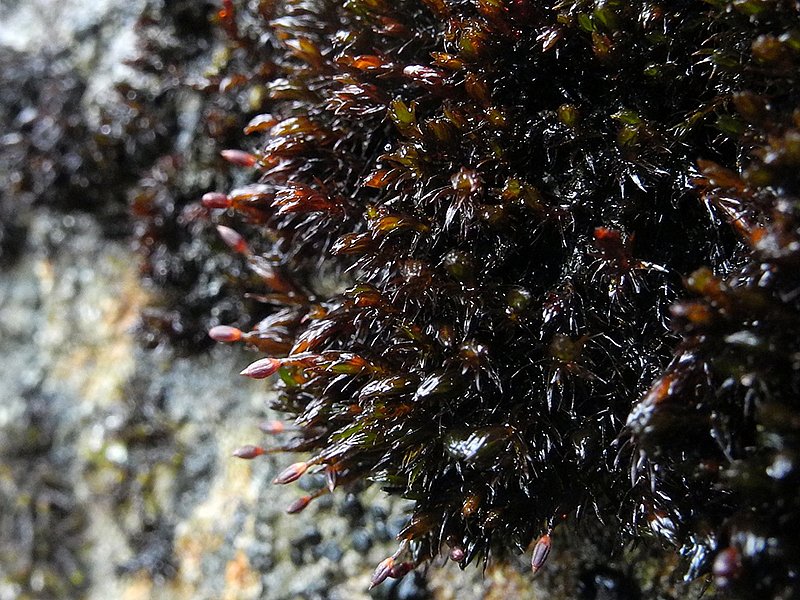
Image 1 of 4
Icy Rock moss (Andreaea frigida): Moss found in alpine regions; only found in Europe; potentially endangered in Switzerland and given low priority for species protection (according to FOEN). (Photo: Michael Lüth)


Image 2 of 4
Alluvial Thread-moss (Bryum versicolor): moss found on riverbanks; only found in Europe; endangered in Switzerland and a very high priority for species protection (according to FOEN). (Photo: Heike Hofmann)

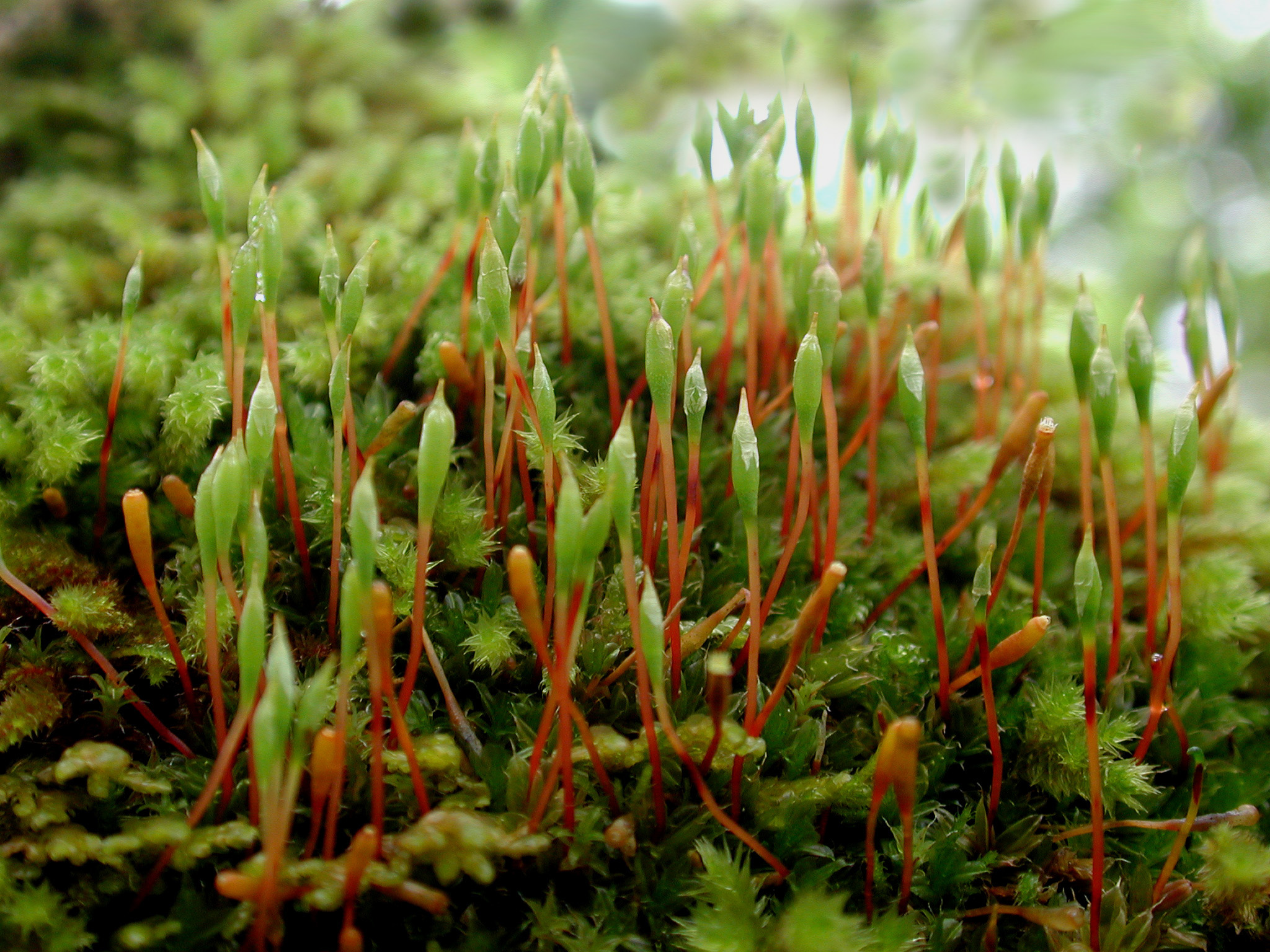
Image 3 of 4
Rudolphis' Tayloria Moss (Tayloria rudolphiana): Lives on old sycamore trees between 1,000 and 1,600 meters above sea level; over 90% of the global population is found in Europe; highly endangered in Switzerland and a top priority for species conservation (according to the FOEN). (Photo: Heike Hofmann)

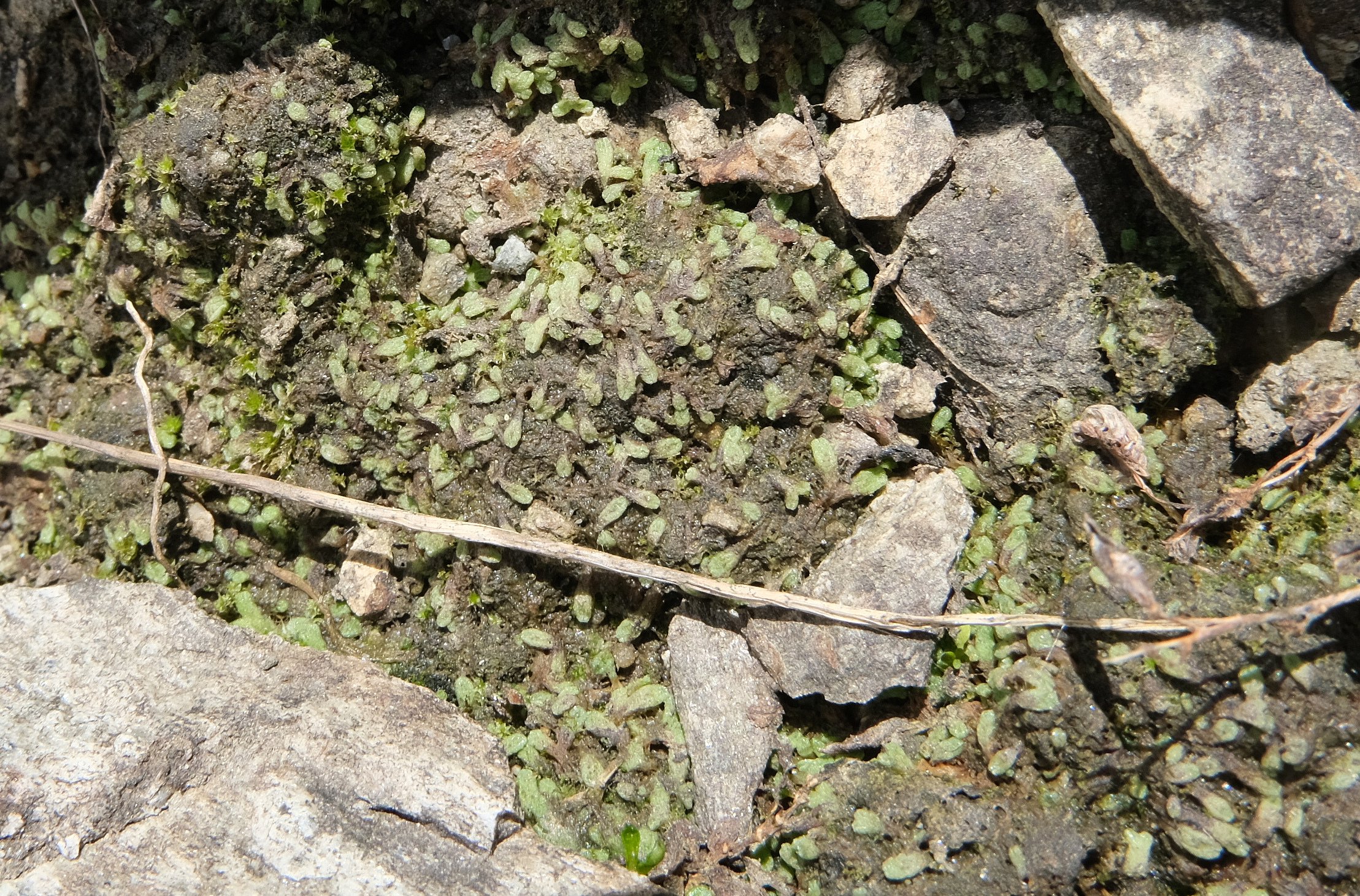
Image 4 of 4
Breidler’s Cristalwort (Riccia breidleri): Lives on the edges of alpine ponds; found only in Europe; highly endangered in Switzerland and given very high priority for species protection (according to FOEN). (Photo: Ariel Bergamini)
Contact 
Publications 
EnviDat database 
Copyright 
WSL and SLF provide image and sound material free of charge for use in the context of press contributions in connection with this media release. The transfer of this material to image, sound and/or video databases and the sale of the material by third parties are not permitted.