

11.02.2026 | WSL News
As Bhutan aims to maintain natural heritage while expanding infrastructure, researchers from the Swiss Federal institute of Forest, Snow and Landscape Research WSL and ETH Zurich are supporting nationwide biodiversity monitoring efforts. With the WildinSync initiative, they are using environmental eDNA to map biodiversity and establish a long-term monitoring network.
- WildinSync is an initiative supporting global biodiversity monitoring using environmental DNA.
- In Bhutan, the initiative is enabling the first nationwide mapping of biodiversity.
- The data support authorities in assessing how infrastructure and land-use change affect ecosystems.
Bhutan is known for its concept of Gross National Happiness, which places environmental protection alongside economic and social development. As a result, forests cover around 70% of the country, and more than half of the national territory is under protection.
The country is home to numerous endangered species, but monitoring wildlife remains challenging. Large parts of the Himalayan landscape are mountainous and difficult to access, making systematic biodiversity surveys costly. While recent assessments show an increase in Snow leopard populations, it is unclear whether similar trends apply to less emblematic species - highlighting the need for more efficient and wide-ranging monitoring methods.
At the same time, Bhutan is expanding infrastructure. Hydropower projects and the planned Mindfulness City, a technological hub on the southern border, increase pressure on ecosystems and raise questions about how development impacts biodiversity over time.
Environmental DNA for monitoring change 

To address these challenges, WildinSync – an initiative led by Loïc Pellissier, joint professor at the Swiss Federal Institute for Forest, Snow and Landscape research (WSL) and ETH Zurich – is supporting biodiversity monitoring in Bhutan in collaboration with doctoral student Karma Sherub.
The initiative promotes cost-efficient biodiversity monitoring by combining environmental DNA (eDNA), remote sensing and artificial intelligence. Through philanthropic funding, WildinSync provides partners with free eDNA sampling kits and field-ready equipment assembled in WSL’s eDNA laboratory.
Environmental DNA is genetic material organisms naturally release into their environment, for example through skin cells, saliva or excrement. Rain carries these traces into rivers and streams, where they can be collected by filtering water samples. Analysing this DNA allows researchers to identify which species are present without directly observing or capturing animals.
“Traditionally, monitoring relies on experts identifying species in the field, or placing camera traps, both of which are costly and labour-intensive,” says Loïc Pellissier. “In Bhutan’s complex terrain, eDNA allows us to sample water at the bottom of a catchment and detect mammal species living upstream.”
WildinSync in Bhutan 
In Bhutan, WildinSync is working with the Nature Conservation Division, the Department of forest and park services, WWF Bhutan, and the College of Natural Ressources to support the first nationwide biodiversity map using eDNA. Around 200 sampling locations across river catchments will establish a baseline that can be updated over time. Samples will then be processed locally in the country’s first eDNA laboratory, operational since spring 2025 and co-founded by WildinSync.
This overview supports a better understanding of how ecosystems respond to climate change and land use change, including large projects such as the Mindfulness City.
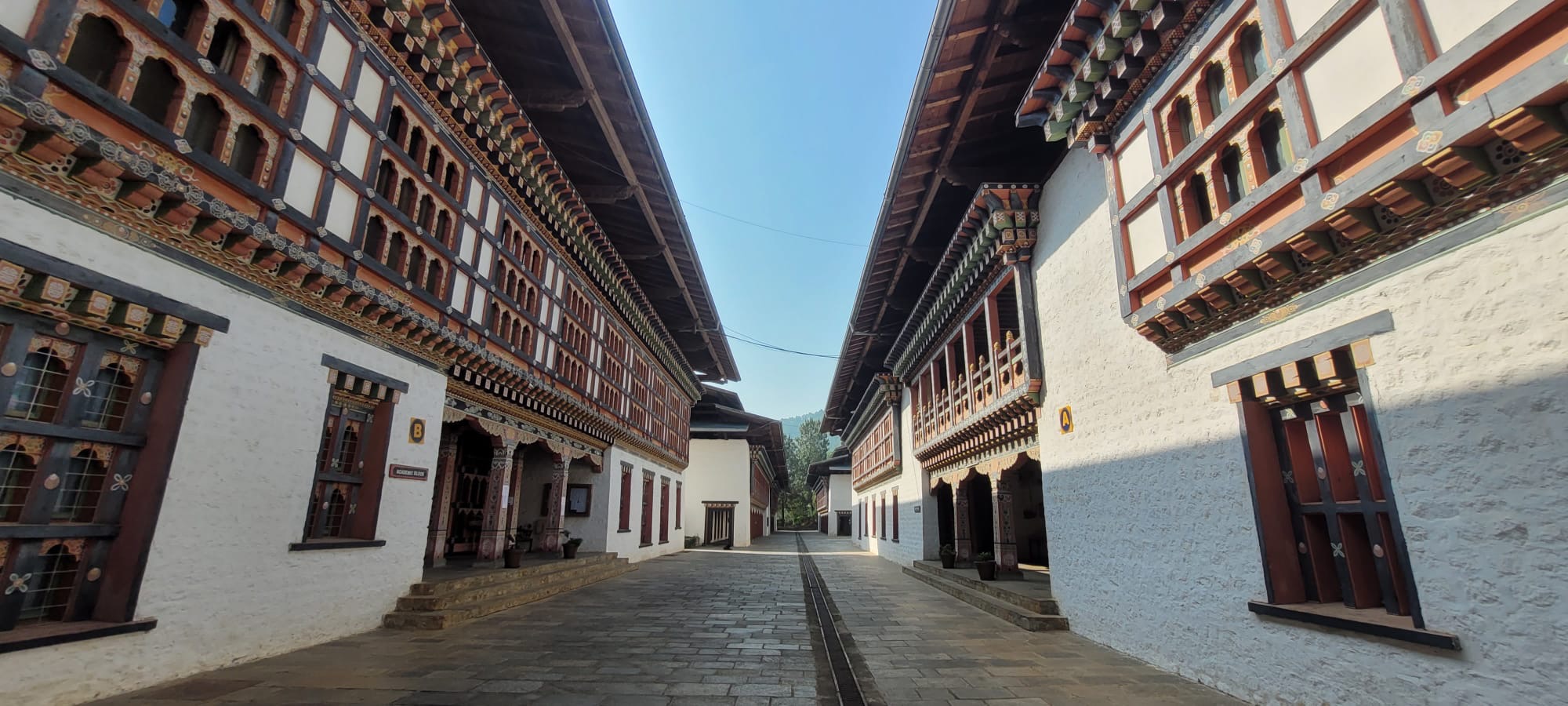
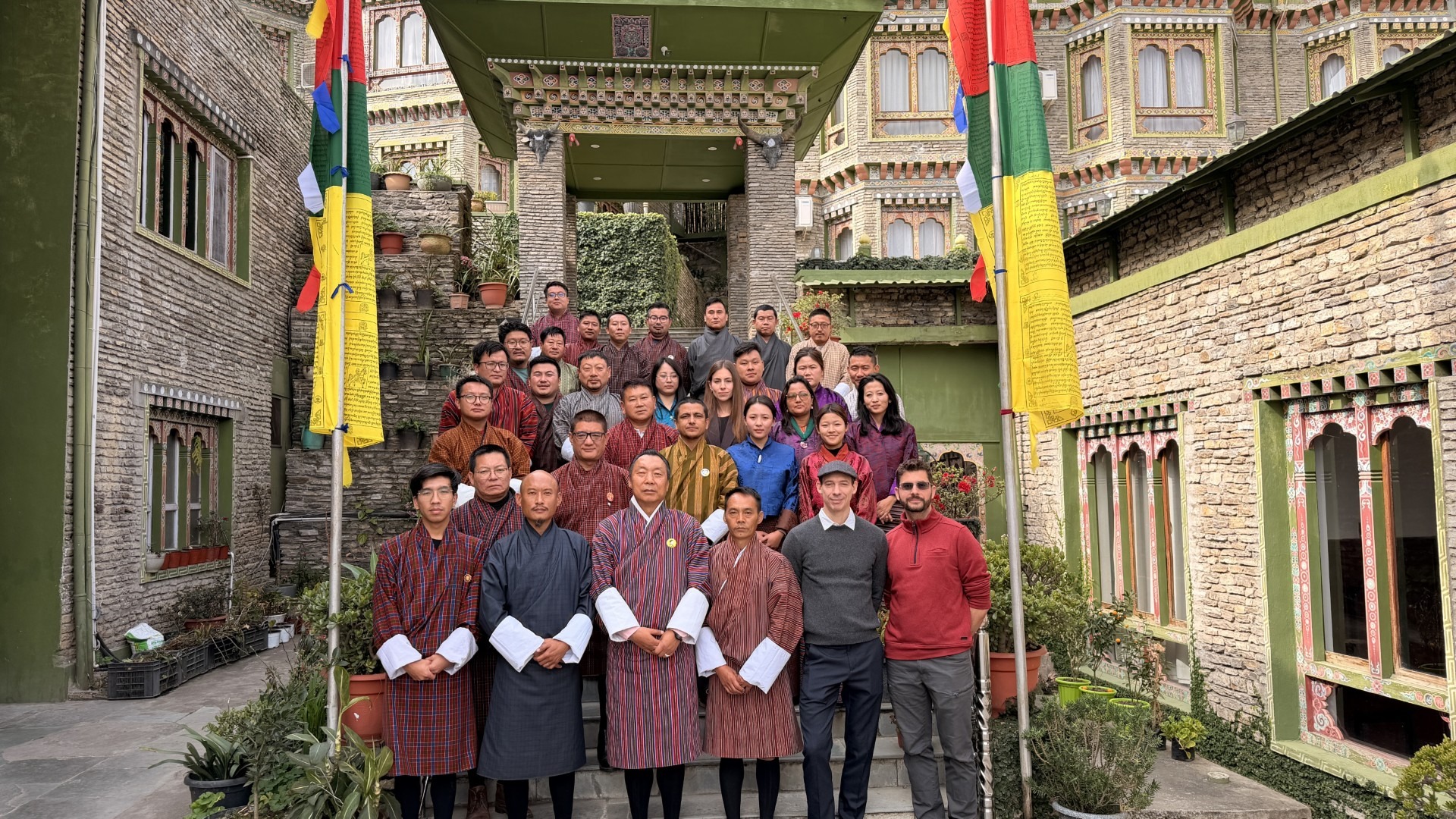
On 9 February 2026, WildinSync led a workshop at Bhutan’s College of Natural Resources. Together with local authorities and stakeholders, researchers defined monitoring strategies and trained rangers in eDNA sampling techniques. The resulting data can inform local planning decisions and future urban development projects facing similar biodiversity challenges.
WildinSync: From national monitoring to global comparisons
WildinSync’s partners in 30 countries apply the same monitoring approach across diverse landscapes. Standardized, open-source methods make it possible to compare biodiversity data across regions and over time.
Data generated by collaborators are published on the WildinSync website, hosted by the WSL environmental data platform ENVIDAT. “The platform summarises the data to support local authorities in conservation and land-use decision-making,” says Pellissier.
Biodiversity loss is a global challenge. The Kunming-Montreal Global Biodiversity Framework calls for protecting 30% of marine and terrestrial ecosystems by 2030. “Achieving these targets depends on reliable, standardised methods to assess whether conservation measures are effective,” says Loïc Pellissier.
By combining research, open data and hands-on collaboration with practitioners, WildinSync helps translate global biodiversity goals into action. By 2030, WildinSync plans to support the establishment of 20 eDNA laboratories worldwide. In Bhutan, this comes at a critical moment, as land-use decisions made today will shape ecosystems for decades to come.
Always up to date: Subscribe to the WSL Newsletter
Contact 
Links and documents 
Copyright 
WSL and SLF provide image and sound material free of charge for use in the context of press contributions in connection with this media release. The transfer of this material to image, sound and/or video databases and the sale of the material by third parties are not permitted.