

Too little rain and snow, too little water in the rivers: An interview with SLF hydrologist Manuela Brunner on the causes of the ongoing drought in Switzerland.
This text has been automatically translated.
- Despite the rain: Many Swiss rivers and lakes remain at low levels
- Not enough snow in winter: As a result, snowmelt is providing significantly less water than usual
- Climate change: The risk of drought and water shortages is increasing

Ms. Brunner, it has finally rained in Switzerland. After weeks of low water levels, is there more water in the rivers, streams, and lakes now?
Water levels have risen slightly in the short term. Now, however, the water levels of many rivers and lakes in the Swiss Plateau—such as the Rhine and the Aare—are back down to record-low levels, as is Lake Constance. Their water levels are lower than they have almost ever been. The situation in the Alpine rivers is slightly better than in the Swiss Plateau, but even there, water levels are below the long-term average.
Despite the rainfall?
That was just a drop in the bucket…
…or river.
Yes. The rain has brought lower temperatures. The heat is gone, but the drought remains.
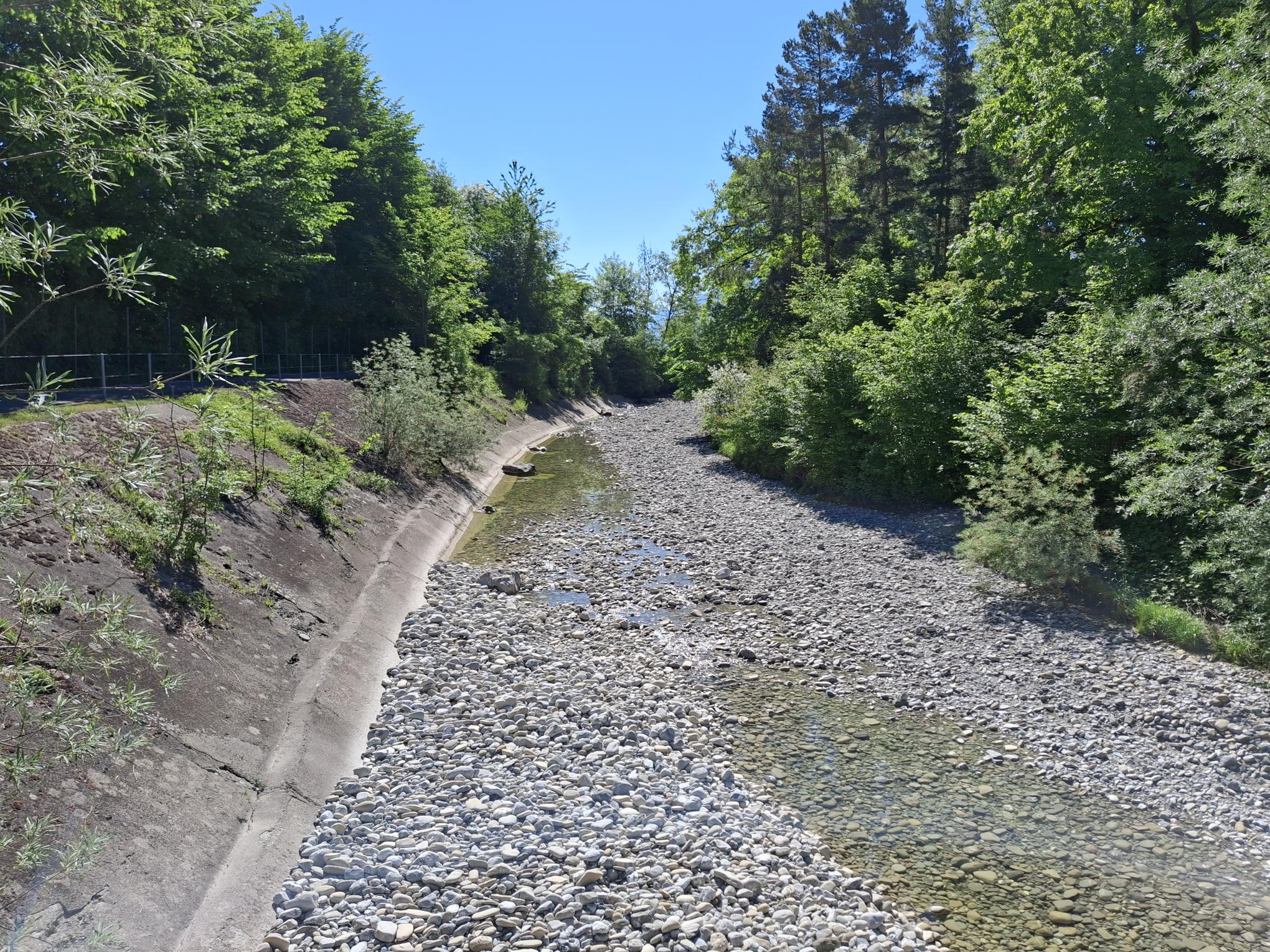
Why?
We are actually in the annual flood season. At this time of year, there is usually a lot of precipitation. At the same time, snowmelt reaches its peak. But this year is different. April and May were extremely dry, and the snowpack is very thin. In the Dischma Valley near Davos, for example, there is currently very little snow. That is at most half of the long-term average.The situation is similar at even higher elevations.
Do society and the economy need to respond?
They already are. There are many measures in place, such as regulations on when, where, and how much water may be withdrawn for irrigation. The agricultural sector is taking action. Water levels in the reservoirs are also not yet dramatically low. How dry the summer actually turns out to be will become clear in the coming weeks. Last year, water levels recovered in late summer thanks to generous rainfall, despite a similar starting point. For agriculture, however, that was a bit too late. Basically, the water came when it was no longer needed there. It wasn’t until the end of July that conditions became moist, and water levels were even slightly above average for the season.
Links 
In a 2025 interview titled "Snow and blueberry pie are connected” SLF biologist Christian Rixen explained the potential consequences of a winter with little snow for plants.
Contact 
Copyright 
WSL and SLF are making image and audio material available free of charge for use in press coverage related to this press release. The inclusion of this material in image, audio, and/or video databases, as well as its sale by third parties, is not permitted.