

02.06.2026 | WSL/Agroscope | WSL News
For the first time, a Swiss research team has reconstructed the trends in insect diversity in Switzerland over almost a century. Their findings show that the butterfly and deadwood beetle species studied declined sharply particularly in the mid-20th century.
- A Swiss research team has, for the first time, reconstructed the development of insect diversity in Switzerland over almost a century.
- Increasingly intensive land use led to a sharp decline in butterfly and deadwood beetle species in the mid-20th century; since then, some species have been able to recover, at least partially.
- Efforts to protect biodiversity are having some effect, but further efforts are needed.
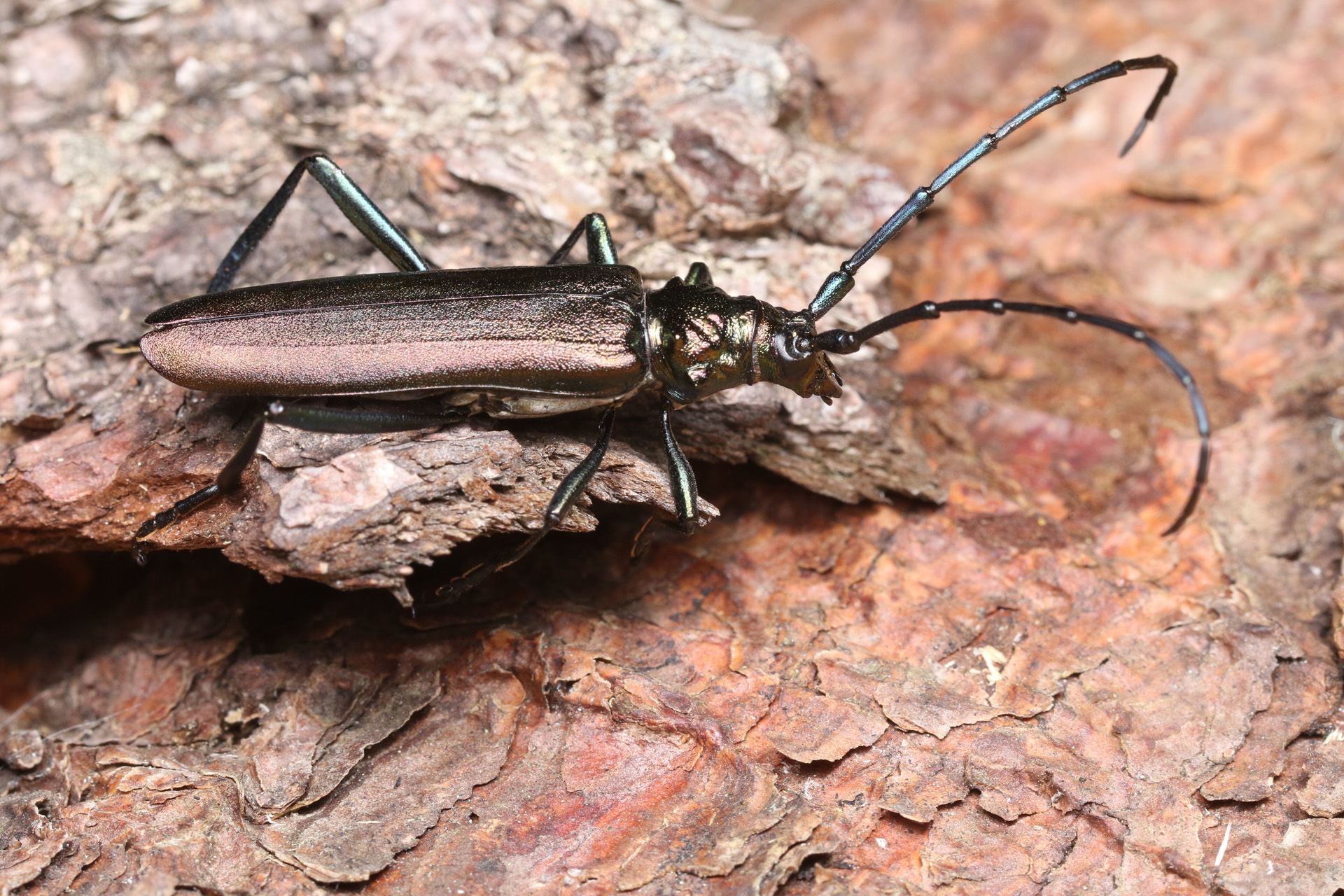
Thanks to a historic data archive, Swiss researchers are able to draw conclusions about the changes in the diversity of two insect groups over the past 90 years. The study, led by Agroscope, identified a significant decline in butterflies and deadwood beetle species around the middle of the 20th century. These groups live predominantly in agricultural and forest habitats. However, the study also shows that the number of species has since risen in some areas.
The analysis, published in the journal Nature Ecology and Evolution, forms part of a comprehensive study on changes in insect diversity and abundance in Switzerland (INSECT). It is based on records of 811 species of butterflies and deadwood beetles between 1930 and 2021 from the archives of the national data and information centre info fauna. Some of the data comes from insect enthusiasts, while other data originates from research projects and monitoring schemes. “People have always been fascinated by large insects such as butterflies and beetles. Consequently, there are numerous historical specimens, as well as reports in modern observation apps,” says Felix Neff of Agroscope, first author of the study.
For deadwood beetles, the results show that the number of species declined on average until 1960, then stabilised, and subsequently rose again to the 1930 level, particularly since the 2000s. Butterflies, on the other hand, continued to decline into the 1980s. They have not been able to recover since then, with the result that butterfly species numbers today are well below 1930 levels, with an average decline of 12%. This is particularly pronounced in the Swiss Plateau (–29%) and the Northern Pre-Alps (–13%), where agricultural use and settlement are most intensive.

Intensively cultivated agricultural land and forests 

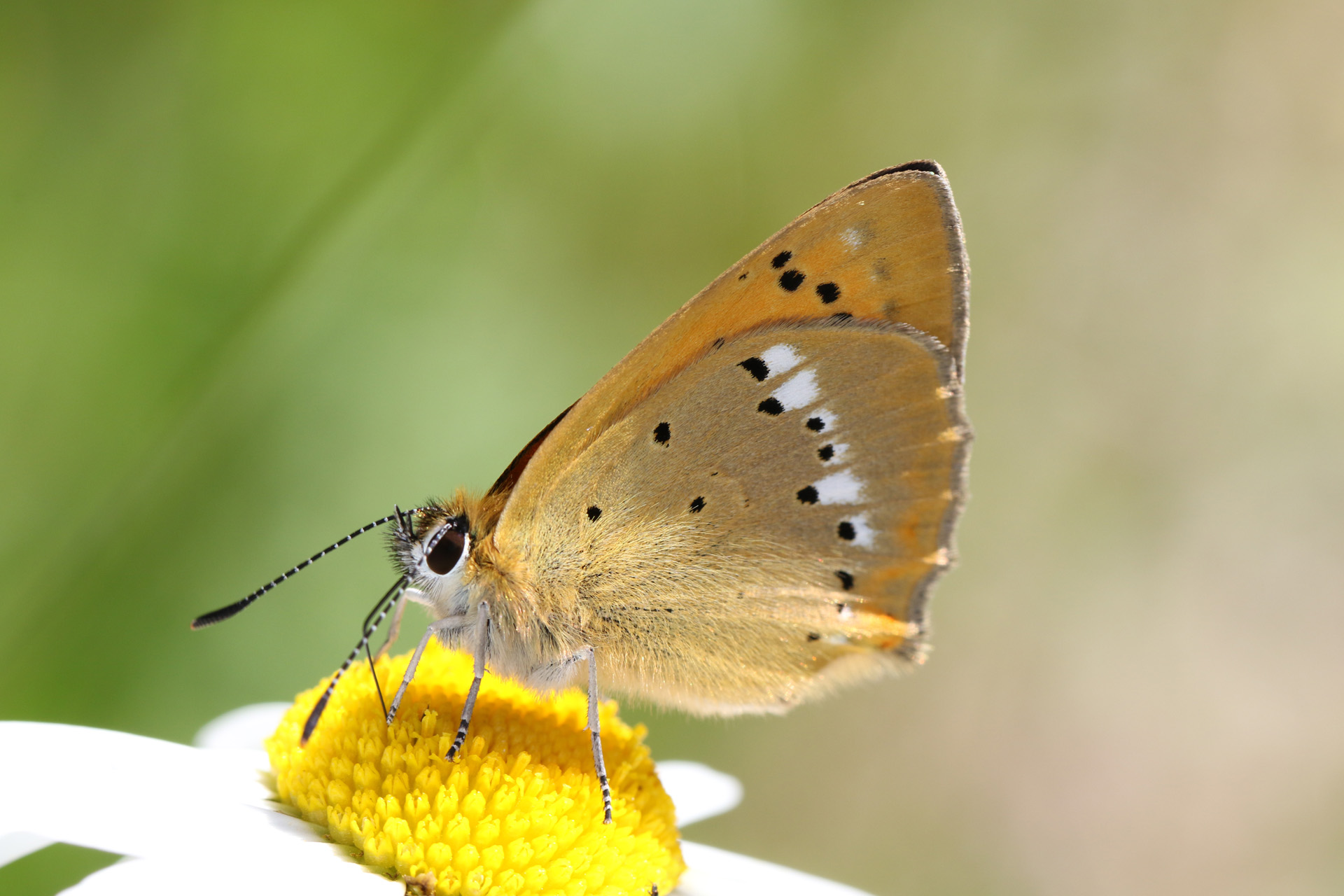
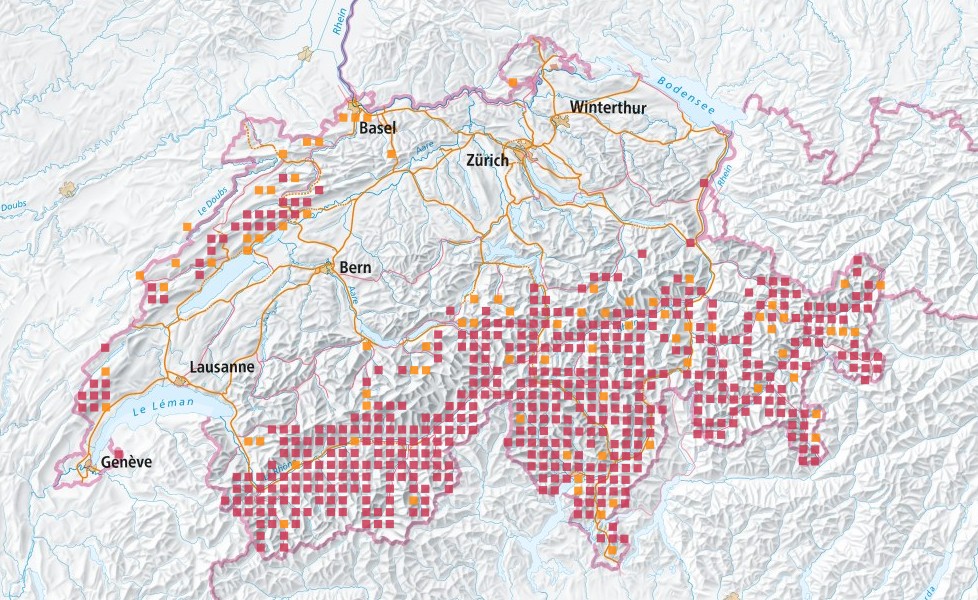
The sharpest declines, particularly in butterfly species, occurred during the period of agricultural mechanisation and intensification (1950–1980), accompanied by structural homogenisation of the landscape and increased use of fertilisers and pesticides.
“Most butterflies depend on sunny open land rich in nutritional sources, and many deadwood beetles on old and deadwood stands. These two groups are therefore representative of the condition of these habitats, on which many other species depend,” says Kurt Bollmann of the Swiss Federal Institute for Forest, Snow and Landscape Research (WSL), who co-initiated the INSECT research programme.
It is therefore hardly surprising that species such as the auspicious burnet moth, which are specialised to specific habitats and food sources, have suffered the greatest losses over the last 90 years (up to a 41% decline in butterflies).
Intensification and mechanisation also had an impact on forests: following the great demand for timber in the 19th century, the focus of forestry shifted to increasing timber yields and mechanisation. This involved harvesting old stands and removing deadwood. As a result, many beetle species lost their habitat. Consequently, larger deadwood beetle species such as the hermit beetle declined more sharply than smaller ones, because large deadwood trunks remain in short supply even today.
Climate change has had the opposite effect many on heat-loving species, which are favoured by rising temperatures and have been able to expand their ranges significantly since the 1980s. These include many species of deadwood beetles, such as the European stag beetle, the majority of which have benefited from the warmer temperatures. Deadwood beetles have also benefited from violent storms that created large quantities of deadwood (e.g. Vivian 1990, Lothar 1999).
Positive developments only for some species 
The turnaround for numerous species and species groups is likely due to the increasing environmental protection efforts since the 1990s: forests are being managed in a more biodiversity-friendly manner and patches of old-growth and deadwood are being created, whilst various agri-environmental programmes and biodiversity priority areas have been established. “The partial recovery in species numbers suggests that conservation measures are having an effect, particularly in forests, and that climate change is having a positive impact on some species,” says Bollmann. “However, more intensive efforts are still needed for numerous specialised species, like many butterflies.” This is because insects, including many that were not part of this study, play a crucial role in ecosystems, for example as pollinators and as a food source.
Principal contact 
Agroscope
Reckenholzstrasse 191
8046 Zürich
Schweiz
Tel. +41 58 46 35420
felix.neff(at)agroscope.admin.ch
WSL Contact 
Publikation 
Neff, F., Bollmann, K., Chittaro, Y., Gossner, M.M., Herzog, F., Korner-Nievergelt, F., Litsios, G., Martínez-Núñez, C., Moretti, M., Rey, E., Sanchez, A., Knop, E. 2026. Ninety-year trends reveal sharpest insect declines in the mid-twentieth century. Nature Ecology & Evolution. DOI: 10.1038/s41559-026-03074-6. https://www.nature.com/articles/s41559-026-03074-6
Projects 
Copyright 
WSL and SLF provide image and sound material free of charge for use in the context of press contributions in connection with this media release. The transfer of this material to image, sound and/or video databases and the sale of the material by third parties are not permitted.