

The hot and dry summer has left scientists troubled, though not surprised. In this interview, Rolf Holderegger, Director of the Swiss Federal Institute for Forest, Snow and Landscape Research (WSL), explains how research can help us cope with such extremes in future.
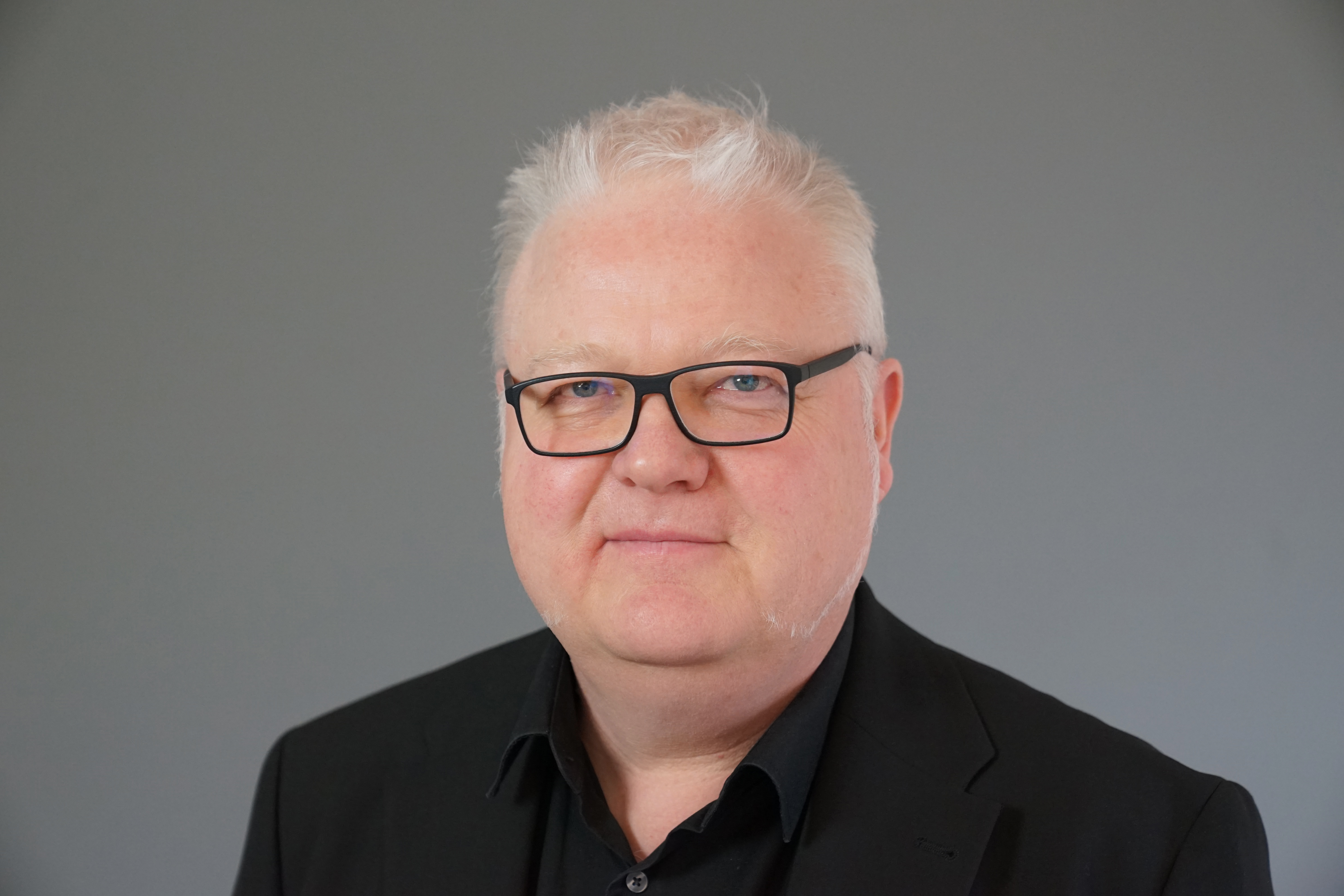
Rolf Holderegger, how did you experience this record-breaking summer?
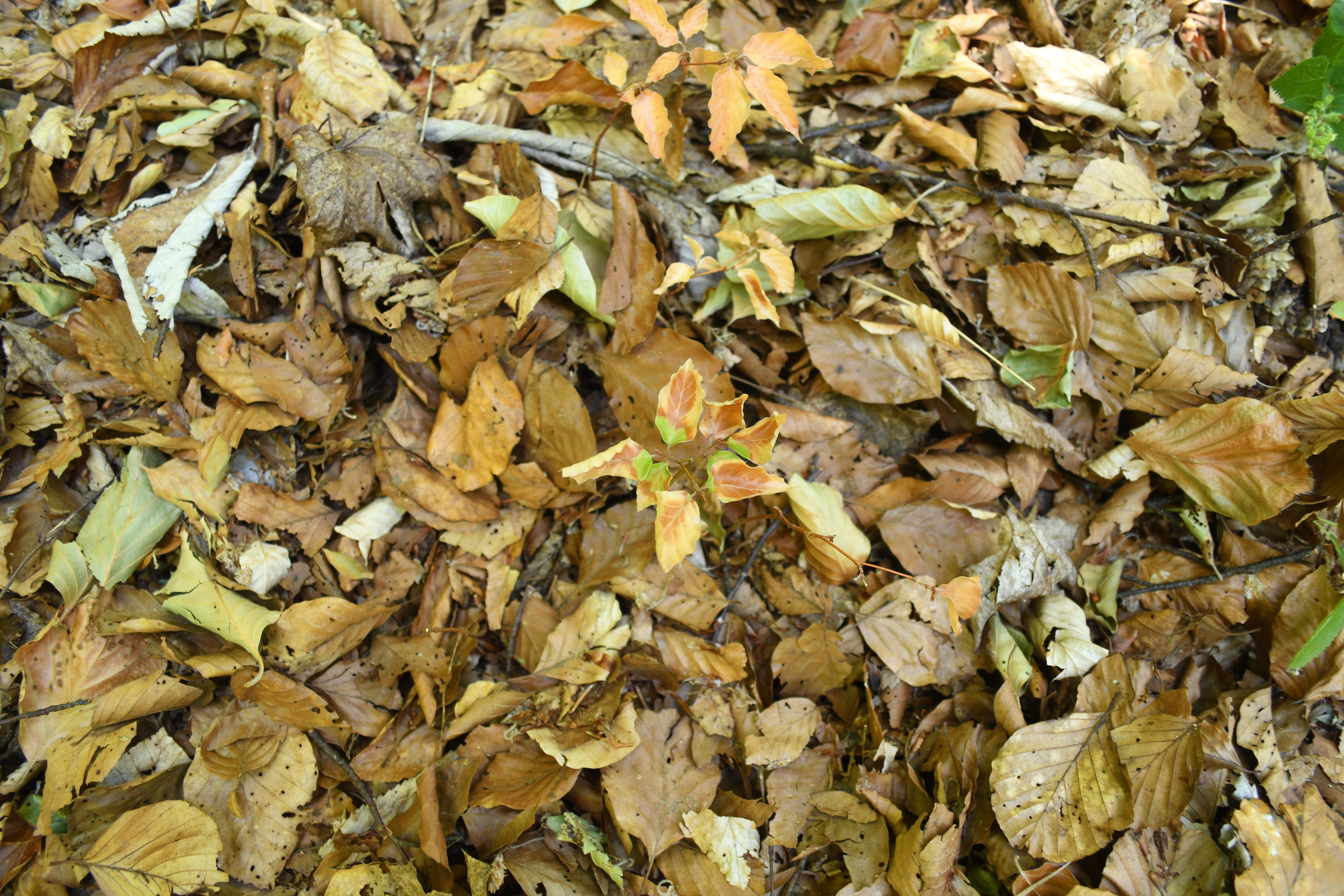
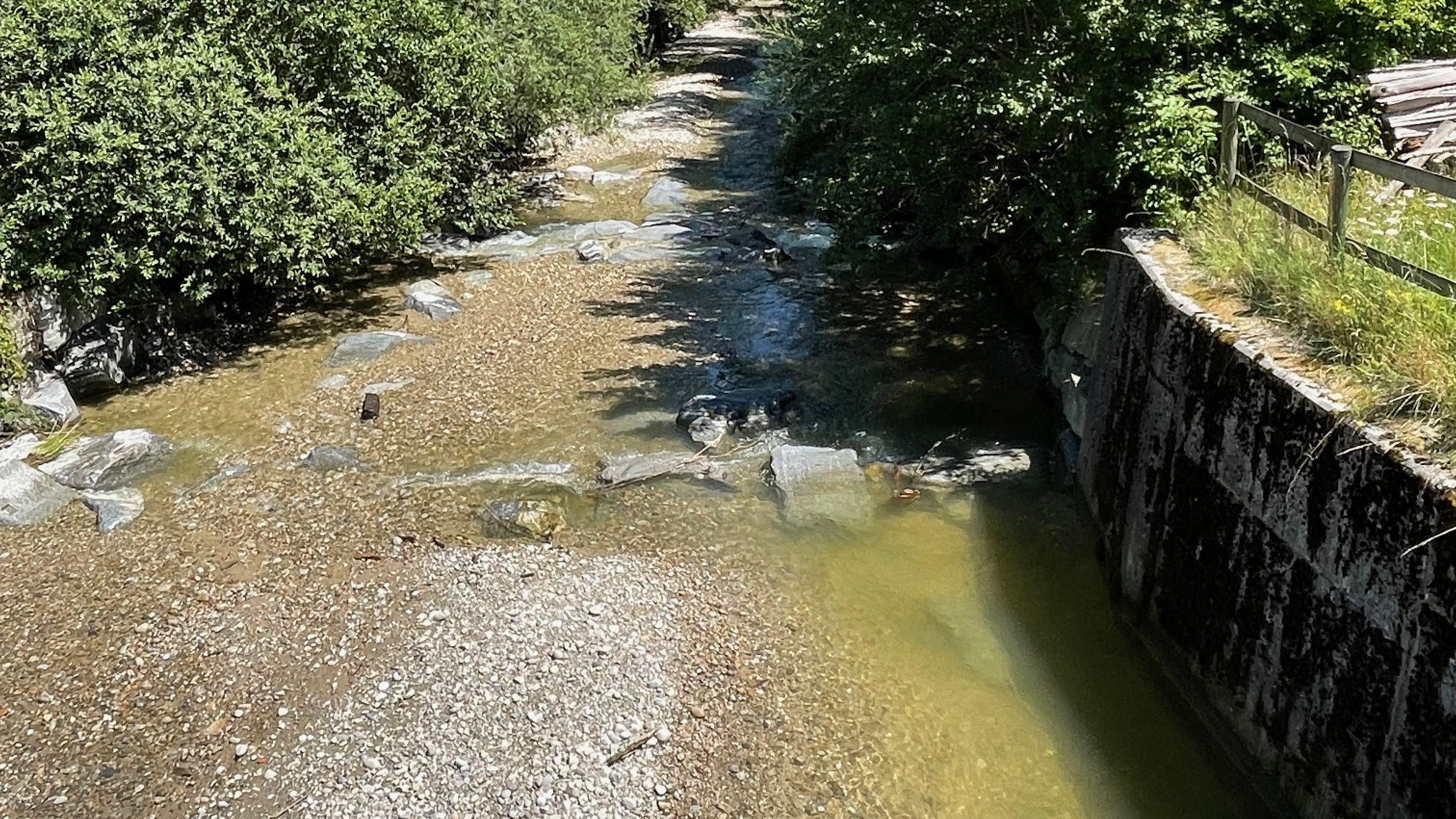
Hot, very hot! I spent a great deal of time outdoors doing fieldwork this year and witnessed first-hand how the landscape dried up. The woods turned brown, the meadows turned yellow, and the streams ran dry.
How did that make you feel?
I was somewhat overwhelmed. Actually, I knew what was coming. There were scientific indications that we were facing a dry summer – researchers had warned early on that we’d had very little snow in winter and very little rainfall in spring. But the severity of what happened took me by surprise.
The public, politicians and the media seemed surprised and, in some cases, shocked. Do you think this will have consequences?
I believe the public reacts when it has first-hand experience. Like this very hot, dry summer. And politicians react when there is visible damage or risks emerge. Seen in this light, the summer of 2026 could serve as a catalyst for greater climate protection and climate adaptation. However, once the event is over, public, political and media attention will wane again. It is therefore vital for researchers to keep the momentum going. We know very well what could be done in forests, in settlements and in the mountains. But as a society, we need to implement these measures on a much larger scale.
Will this become our new normal?
Under a climate scenario of a three-degree rise in temperature, this year’s summer – which was 3.4°C warmer than the norm – would be an average summer in terms of temperature. And the succession of dry and warm years over the past decade clearly shows us what we can expect from climate change in the future.
How do society and nature cope with these extremes?
Nature will adapt. For us humans, this means that the services it provides for us will change – for example, the supply of drinking water, protection against avalanches or soil erosion, and safe transport routes. This has very direct social implications: not enough water for agricultural irrigation, a shortage of livestock feed, and more expensive fuel, as shipping on the Rhine will be restricted more frequently.
Is the heat or the drought the bigger problem?
For nature, it is clearly the drought. The heat further increases evaporation and can, for example, directly harm fish or the leaves of trees. For people in cities, the heat is the major challenge. This calls for a wide range of adaptations, such as more trees, green spaces and water expanses.
How can research help in such extreme situations?
In the short term, research can primarily measure and highlight what is happening right now. WSL researchers have measured and documented the immediate effects of this summer on, for example, forests and permafrost. Research can convey such findings to policymakers, the authorities, the public and practitioners. Over the next few years, the focus will then be on identifying what the consequences of the summer of 2026 will be.
And in the long term?
We need to identify possible courses of action to help Switzerland adapt to increased heat and drought. We are conducting a great deal of research on this in collaboration with practitioners. In the new ‘Nova City’ research programme, for example, we are working with public authorities to investigate how cities can remain liveable through the use of green spaces, unsealed surfaces and so on. Using models and scenarios, we can demonstrate which measures would yield which effects in the future. However, research cannot – and should not – dictate what goals we as a society should pursue or how much funding politicians should make available for this. That is a matter for political and societal negotiation.
At the moment, we’re hearing and reading a great deal about adaptation. But what about climate protection?
Clearly, we need both. Climate protection and net-zero emissions form the basis, and we are also researching ways to achieve this. This summer has made it clear that we must adapt to climate change at the same time. We need time for both. The conclusion to be drawn from this summer is that we really must make progress on both fronts.
As a researcher and head of a research institute, but also as a person and a citizen – what conclusions do you draw from the summer of 2026?
I was recently invited to a party and the summer of 2026 was one of the main topics of conversation. This summer is on everyone’s mind. And that’s why I feel it could open society’s eyes to what lies ahead for us.
Contact 
Links and documents 
- FAQ on drought
- FAQ on forest fires
- Drought focus page
- WSL research initiative Drought 2018
- WSL report on research programme Extremes
- WSL Extremes Research Program and App
- Synthesis report from the WSL research programme ‘Climate Chance Impacts on Alpine Mass Movements’
- NCCS Impacts: The impact of climate change on ecosystem services
WSL publications 
Copyright 
WSL and SLF provide image and sound material free of charge for use in the context of press contributions in connection with this media release. The transfer of this material to image, sound and/or video databases and the sale of the material by third parties are not permitted.