Artificial Light at Night: Mitigating an Extreme Disturbance for Humans and the Environment (ALANex)
Nicole Bauer, WSL
Martin Gossner, WSL
Solène Guenat
Joerg Haller, EKZ
Nicola Van Koppenhagen, WSL
2021 - 2025
Kooperation
Artificial light at night has been identified as a primary driver of environmental change in the 21st century – with important consequences for both humans and ecosystems. The ALANex Project brings together lighting engineers, practitioners, and the ecological and social sciences to develop lighting transformation pathways that mitigate the negative impacts of artificial light at night, while also ensuring human lighting needs are met.
Globally, artificial light at night (ALAN) is on the rise, growing at an unprecedented rate of two percent each year as the human population increases and expands into previously unsettled areas. While ALAN is believed to enhance the human sense of safety, security, and comfort after dark, and facilitates the continuation of economic activities round the clock, it also has other important consequences for ecosystems and human mental and physical health that are less beneficial.
Within the ecological environment, ALAN causes a broad range of negative impacts among nocturnal insects and is a significant driver of their decline. ALAN induces temporal mismatches of biotic interactions, for example, such as desynchronizing mutualist species (e.g., plants and pollinators) or reducing herbivore-predator contact by causing herbivores to hide rather than seek out plants on which to feed. These changes result in negative fitness-related effects that cascade across hierarchical levels, from the individual physiology and community composition of insects to the provision of the ecosystem services – such as pollination and pest control – on which we rely.
In terms of human health, exposure to ALAN has been found to negatively impact the body’s circadian rhythm, and is associated with sleep and mood disorders, obesity, diabetes, cardiovascular disease, and even certain forms of cancer. As ALAN continues to increase, it is anticipated that so too will these negative impacts.
Recent advances in lighting technology have resulted in the low-maintenance, targeted, long-lasting, and energy-efficient LED lighting systems that are now widely used. With effective strategies in place, these have the potential to mitigate some of the negative effects of ALAN. However, these energy-saving technological advances in lighting can also, paradoxically, cause a rebound effect, meaning that improvements in efficiency result in an expansion in use, thereby offsetting any energy savings and increasing light pollution overall. To tackle the complex challenges presented by ALAN, a series of evidence-based recommendations are required to support transformation pathways for artificial light at night that benefit both ecosystems and humans on our increasingly urbanized planet.

Activities & Outcomes 
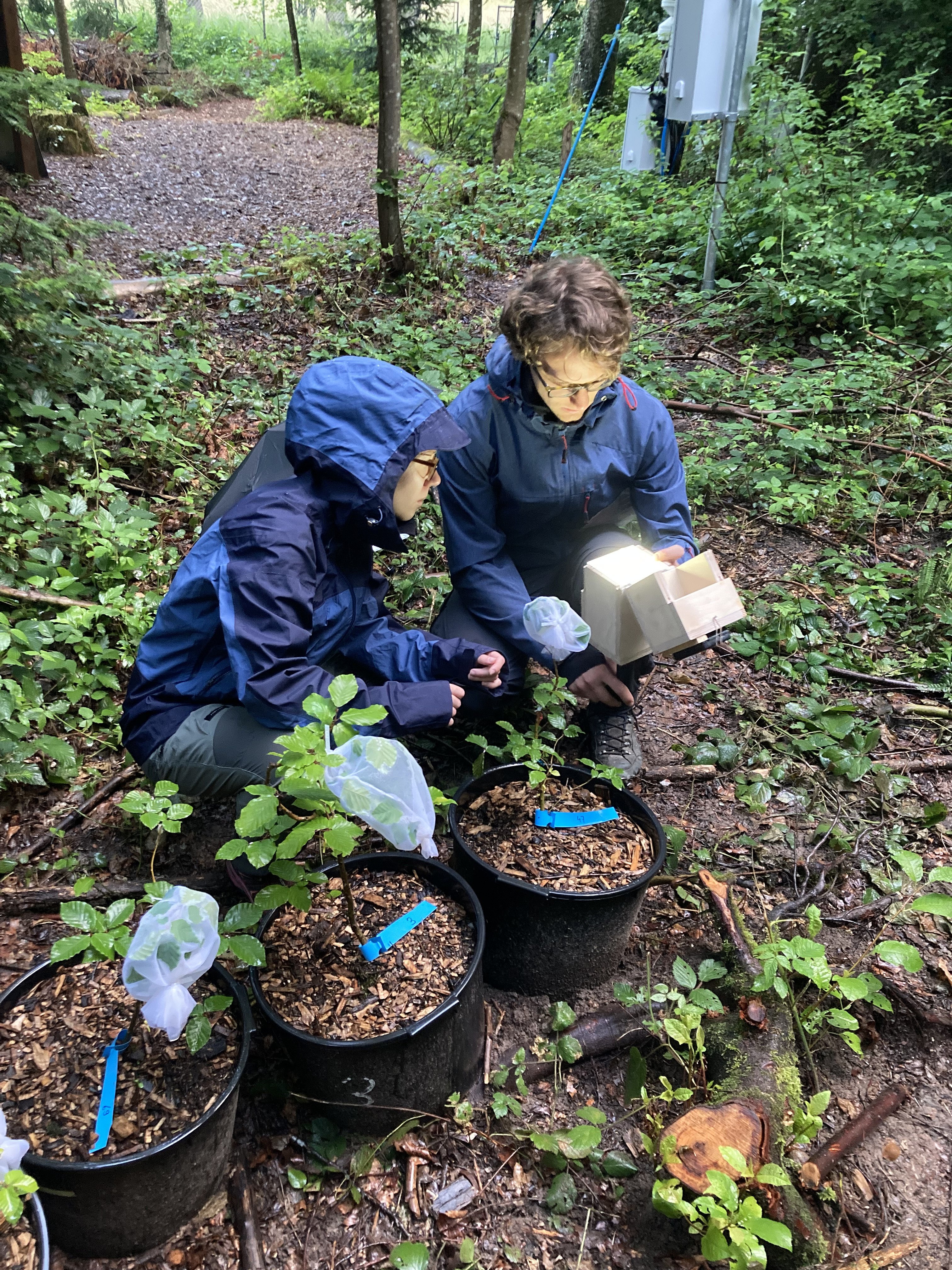
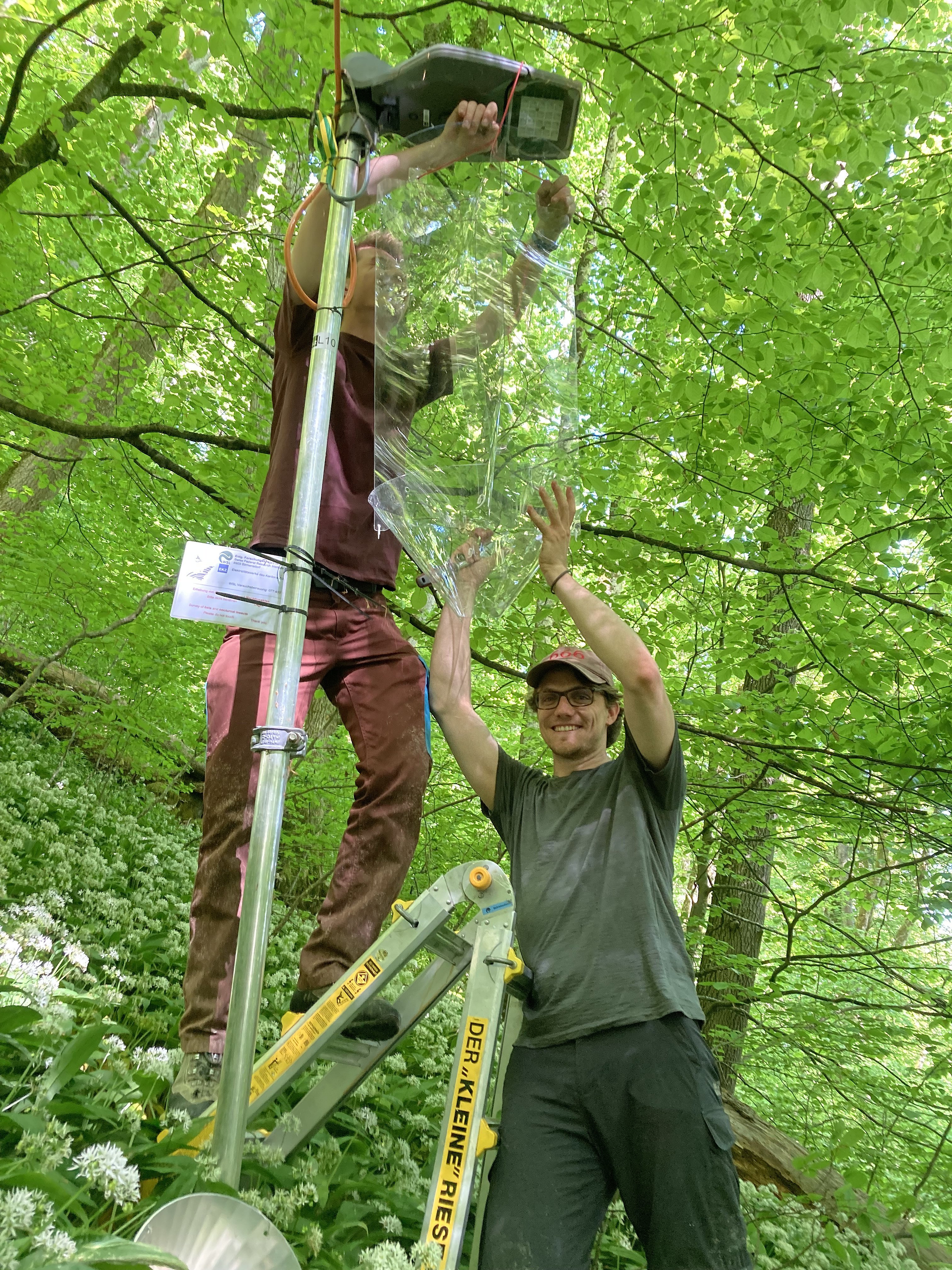
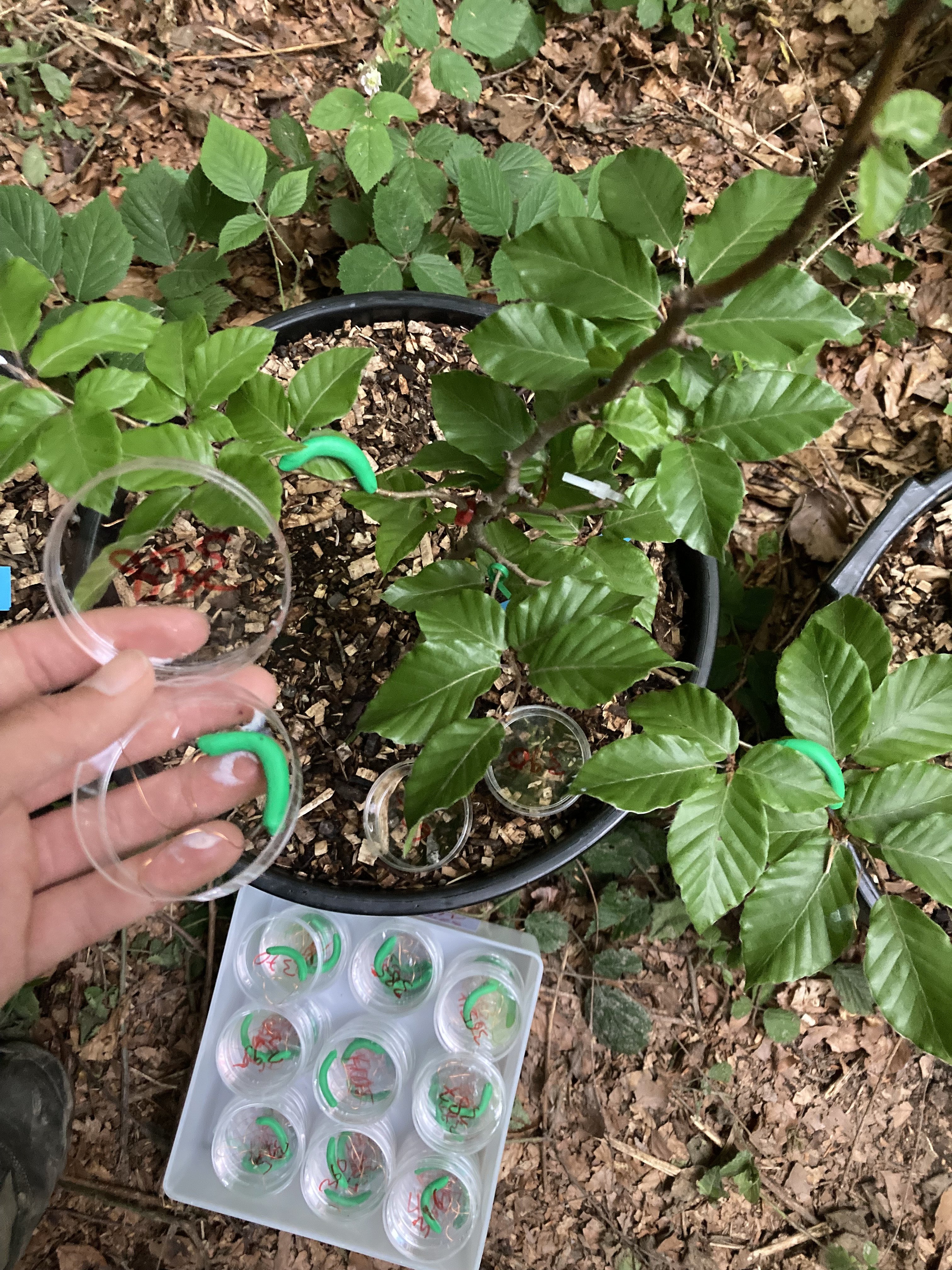
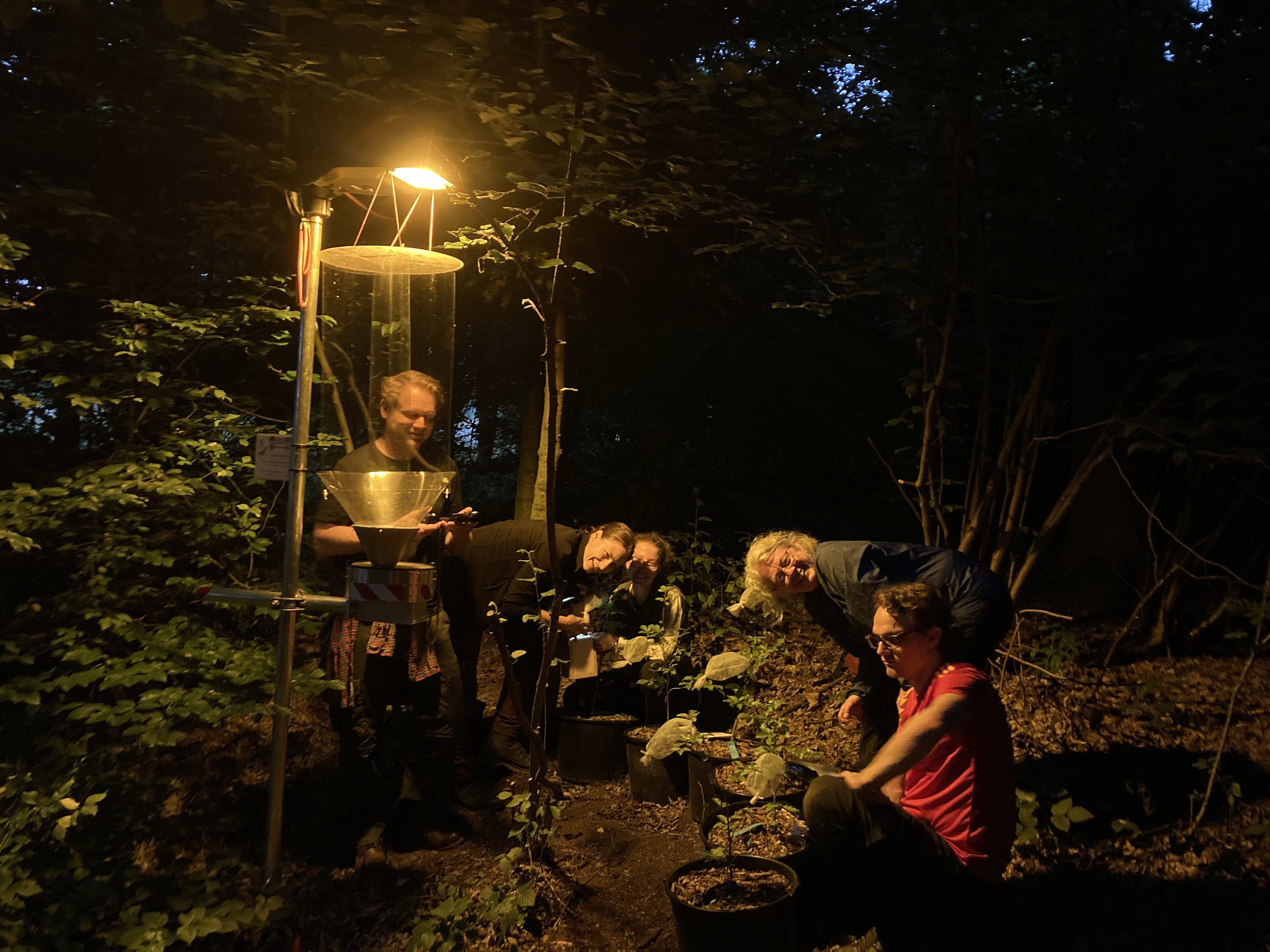
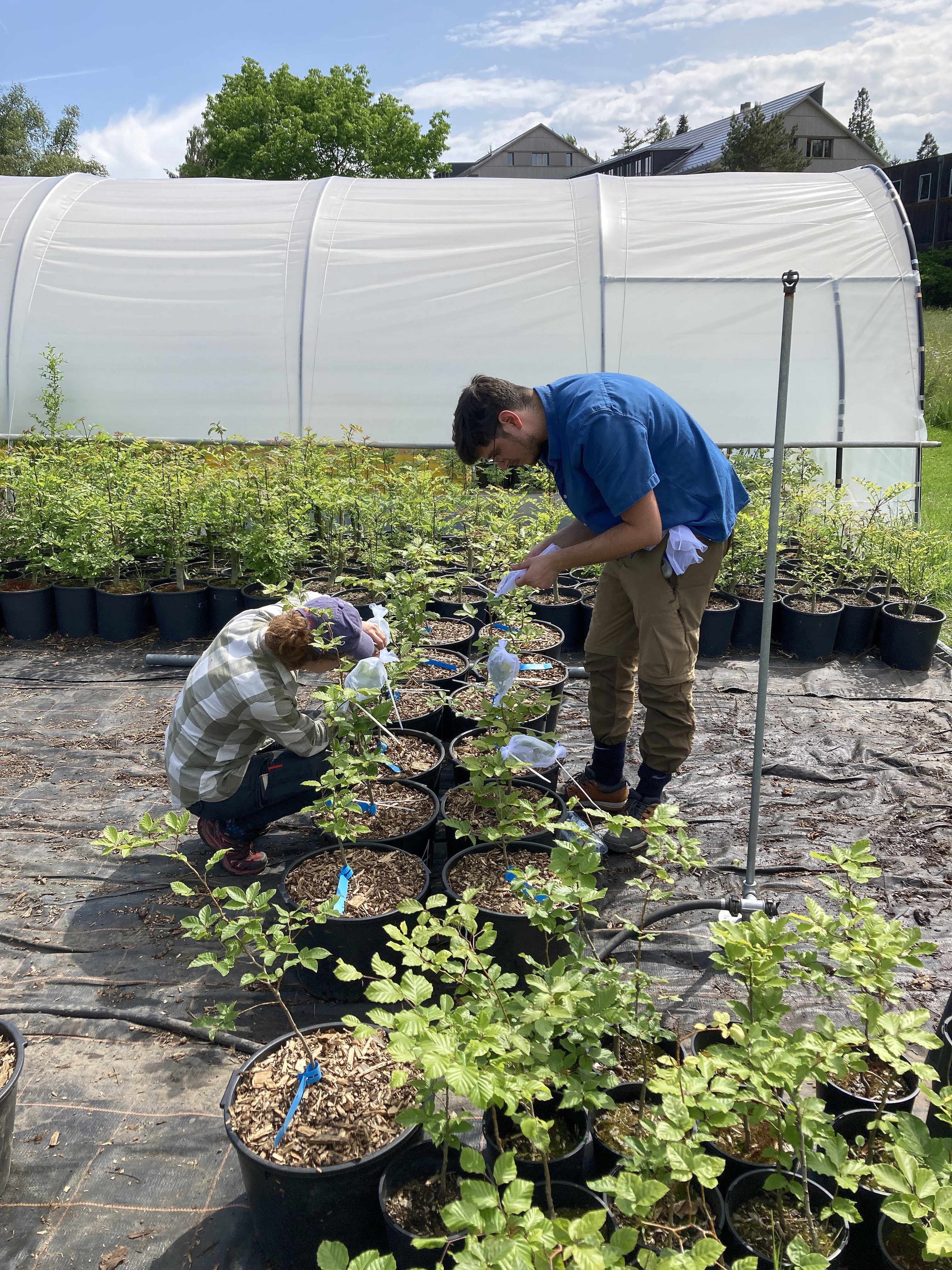
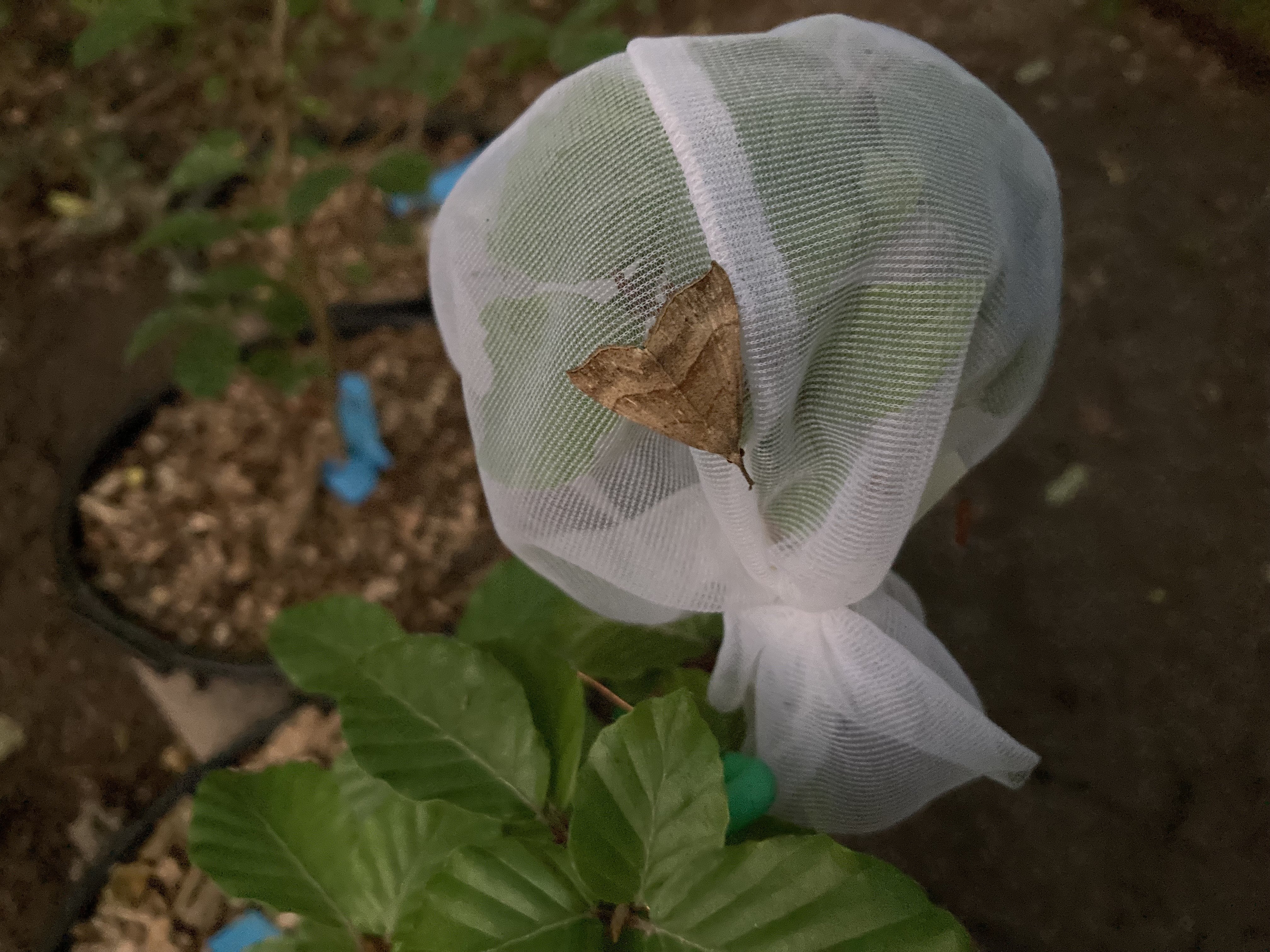
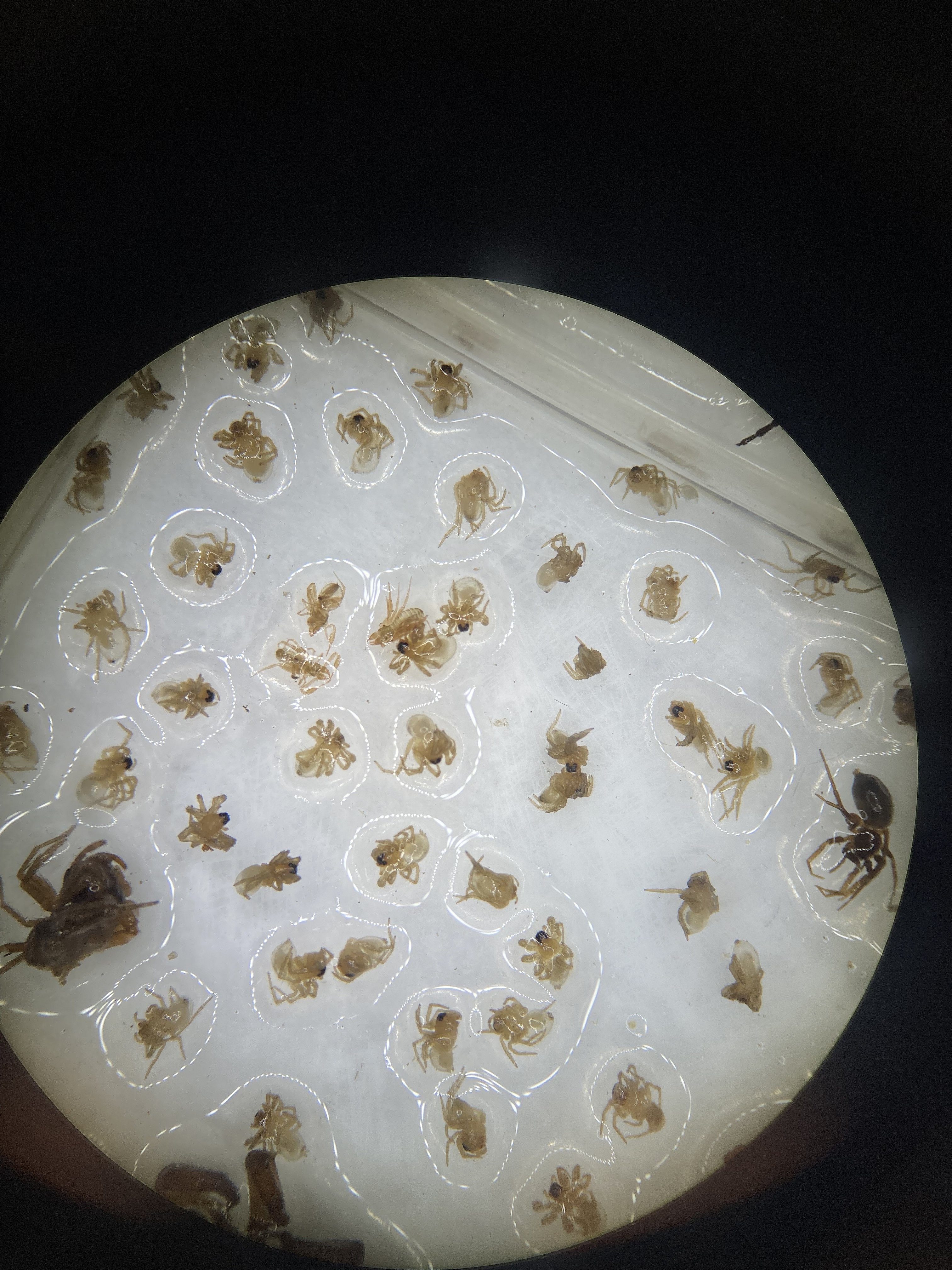
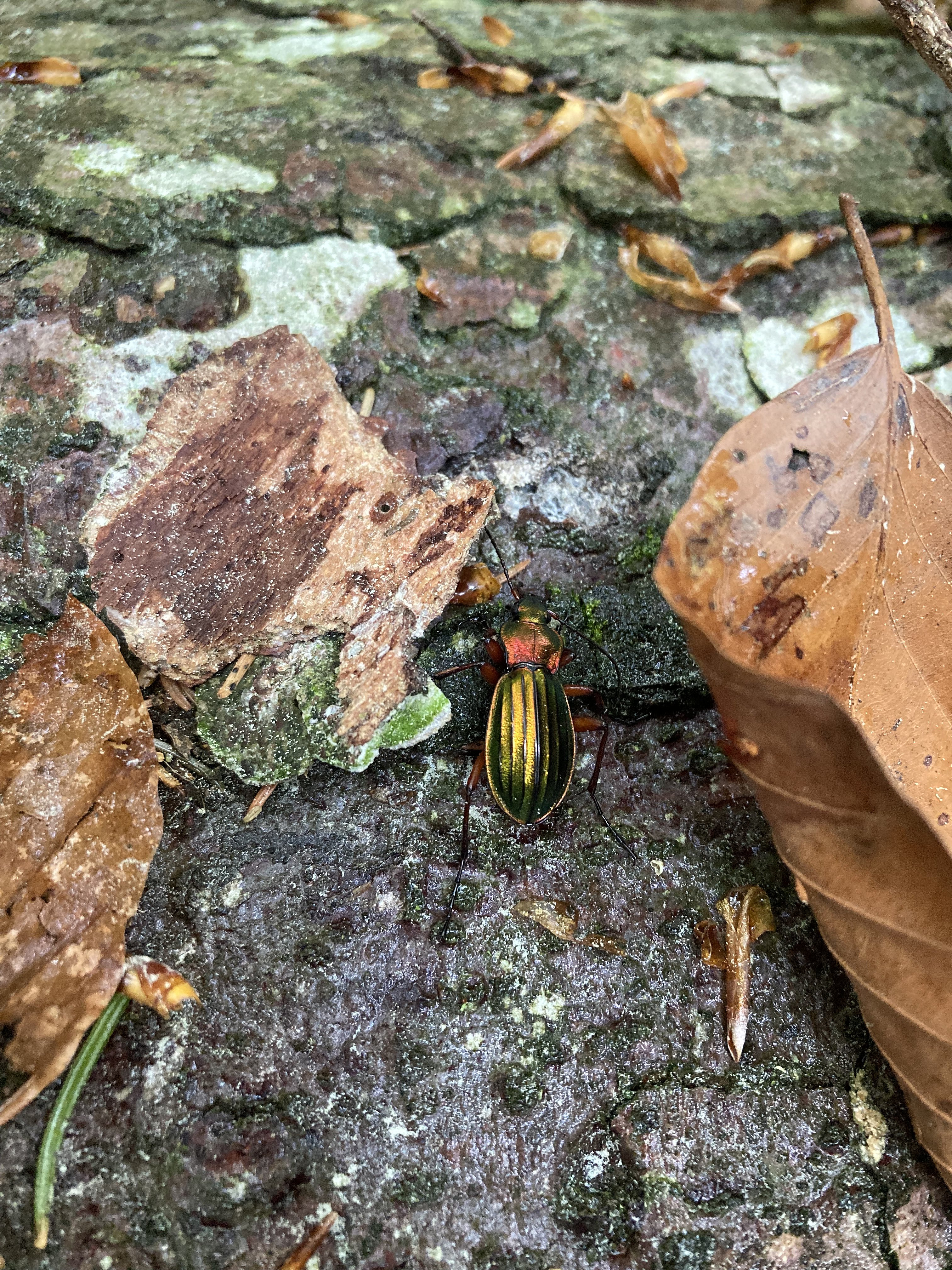
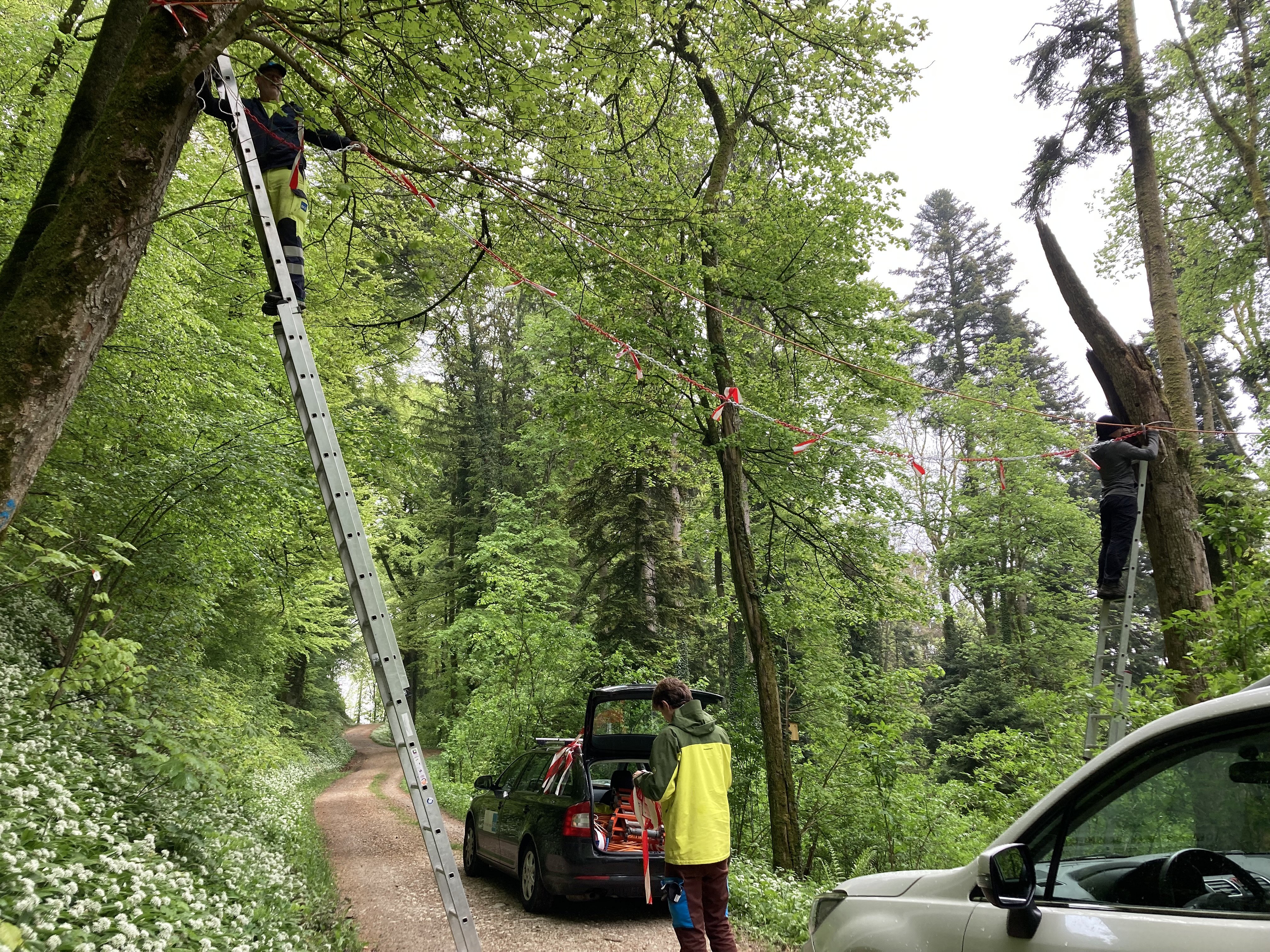
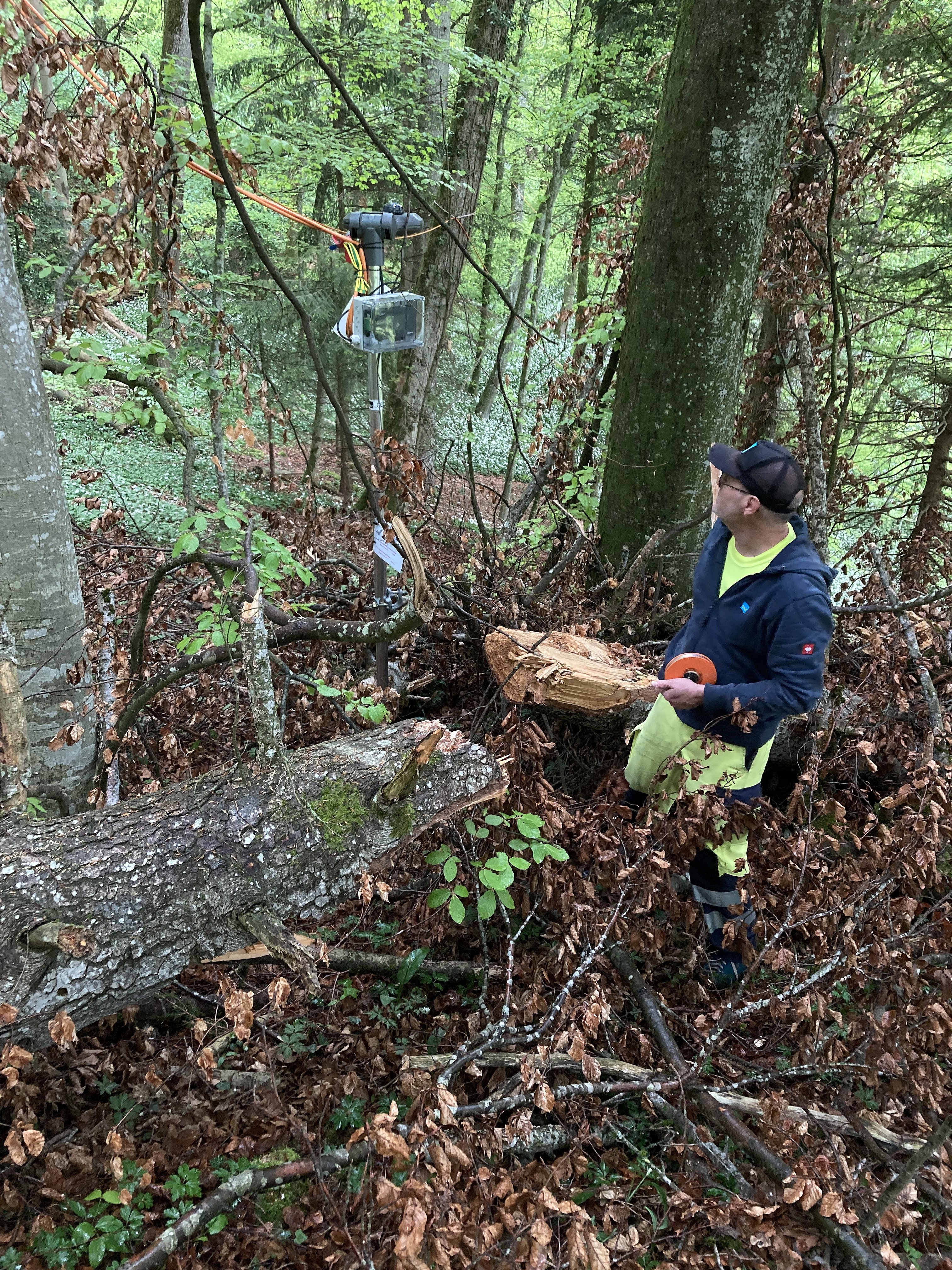
The ALANex project is in the process of developing an empirically validated, multi-level, multitrophic ecological impact assessment of artificial light at night. As part of this, the ALANex team exposes ecological systems in Switzerland to a set of individual and interacting LED parameters: three light colors (2000K, 3000K, 4000K), three light levels (0%-50% dimming and no light), and two luminaire shapes (low and high radiation volume). The ecological impacts of these are then assessed at different levels: (i) nocturnal and diurnal biodiversity and community composition (flight-active insects, ground-dwelling arthropods, bats); and (ii) functional interactions (adaptive traits, functional multitrophic interactions). These are examined over the course of three field seasons in order to allow the assessment of impact magnitudes both within and between years, and to develop conclusions on adaptiveness to new light conditions.
The impact of the abovementioned LED parameters on human well-being and perceptions of safety and aesthetic value are also being assessed by the ALANex project. Through a Swiss-wide survey, with oversampling in Swiss regions less exposed to artificial light, the ALANex team aims to assess public awareness of light pollution, knowledge about its adverse effects (for humans as well as different species), support for light reduction measures in the public sphere, and intentions to change individual behaviour so as to reduce light pollution. To better understand the well-being and safety impacts of different light colours, the ALANex team also exposes humans to a set of three LED light colours (2700K, 4000K, 6500K). The impacts of these light colours are then assessed through (i) stress, measured by salivary cortisol, (ii) the positive and negative affect scale, and (iii) the perceived danger scale.

Possible Solutions 
These empirically validated scientific results will serve as baseline information from which to delineate guidelines that mitigate current and future challenges related the impact of ALAN on nocturnal biodiversity and human health and well-being. To ensure real-world applicability, lighting engineers and practitioners are being involved at all stages, and project results are being directly communicated to stakeholders (e.g., Elektrizitätswerke Zürich, Federal Institute of Metrology METAS). The results of ALANex are also feeding directly into the Schweizerische Ingenieur- und Architektenverein Norm 491: Avoidance of Unnecessary Light Emissions in Outdoor Areas, which is in the process of being updated.
ALANex is part of the WSL Extremes Program, which aims to equip Swiss stakeholders with the resources needed to meet the challenges of future extreme events. A follow-up project to ALANex, Spotlight, has already been approved to continue this work on issues surrounding ALAN.