

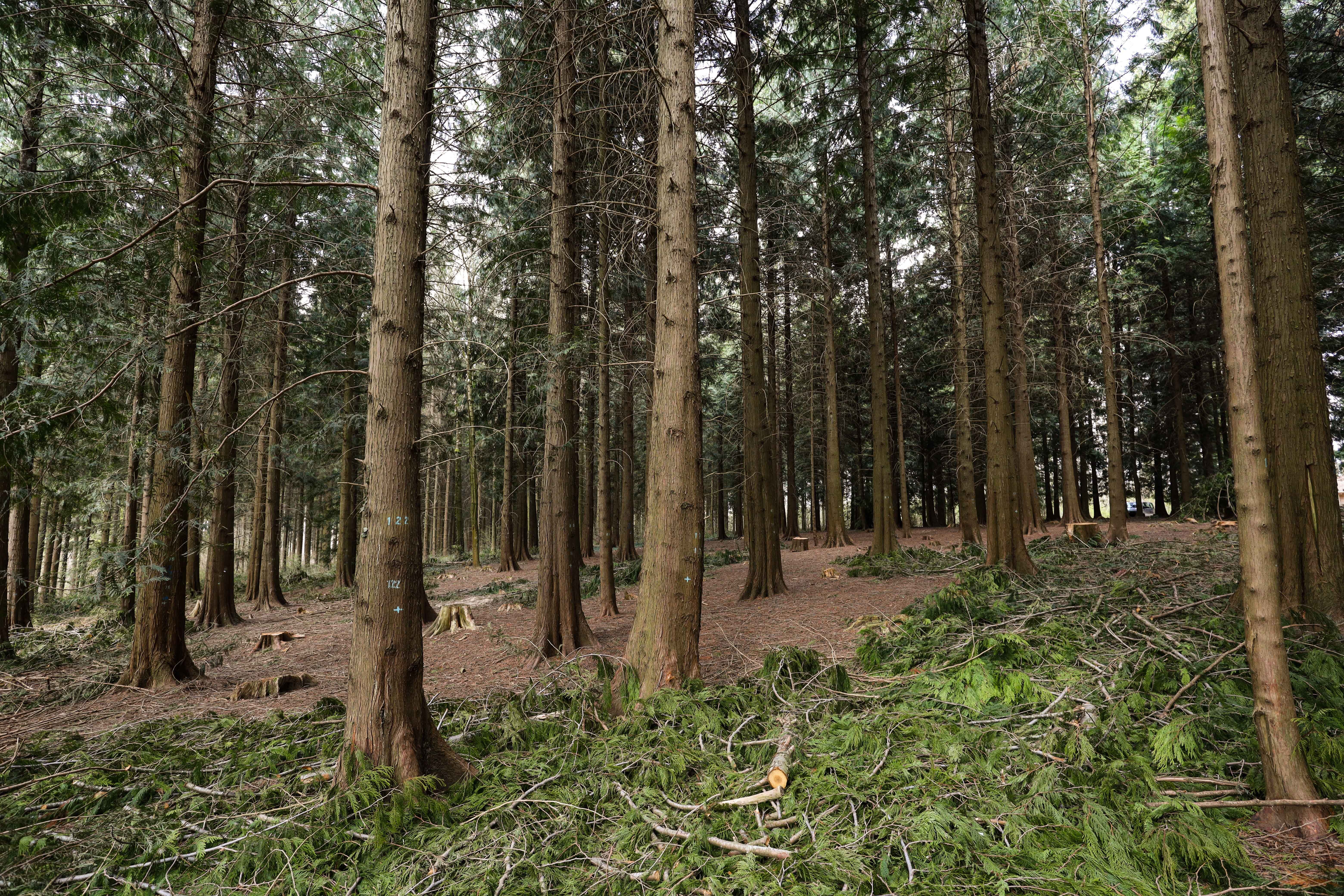
One widely discussed measure in climate-adaptive forest management is the introduction of alternative tree species with suitable characteristics under changing climatic conditions. Such species may help secure forest ecosystem services in the long term. However, many open questions remain – for example, regarding growth properties, mortality, silvicultural methods, forest health risks, and the effects of non-native species on native ecosystems and biodiversity. For this reason, various older and more recently established plots with non-native tree species are maintained within the EFM network.
In addition to the larger EFM experimental series such as the continuous cover and conversion stands, there are several smaller experiments addressing specific research questions. These include thinning experiments, an experiment on stand establishment using group planting, and a small network of five unmanaged stands located in the Swiss National Park.
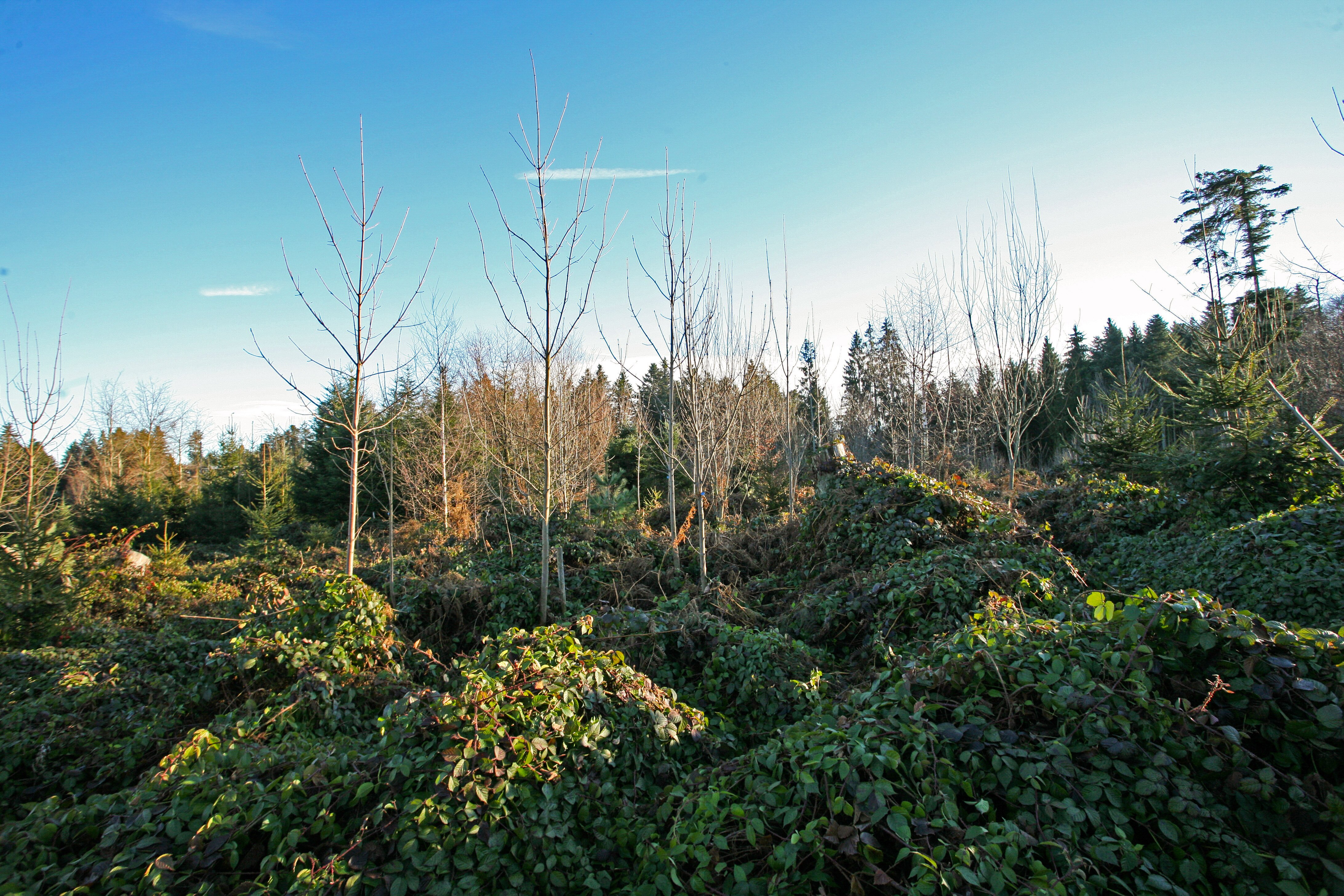
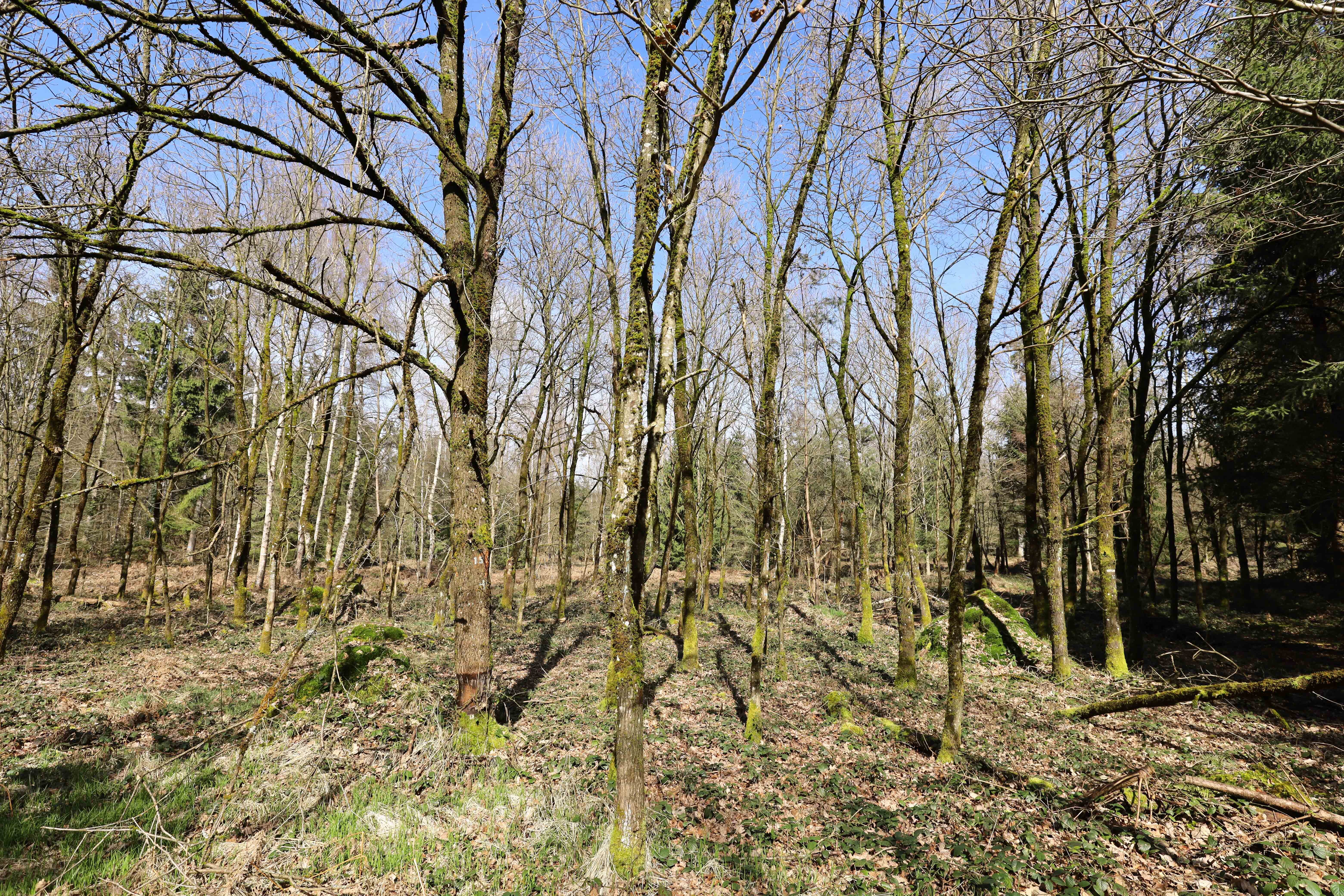
Group planting experiment: young sycamore maple group (left, photo: H. Schmid WSL) and row planting of oak (right, photo: U. Wasem WSL)