

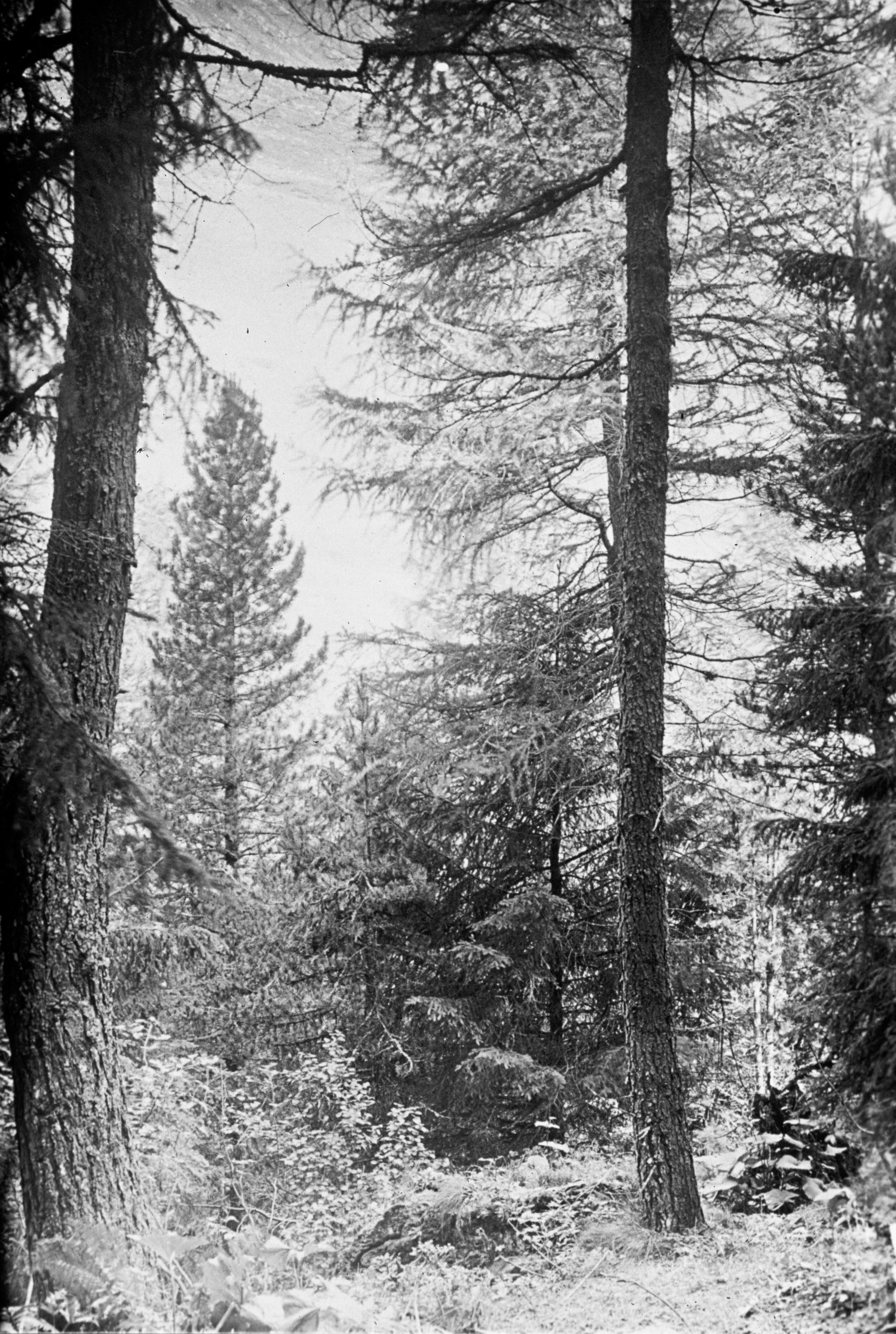
"Conversion" refers to the long-term, goal-oriented transition of a single-layered, even-aged stand toward a continuous cover forest structure. Uniform, even-aged stands are often structurally poor and more vulnerable to disturbances such as storms, drought, or biotic agents. Under changing climatic conditions, conversion toward structurally diverse, mixed, and site-adapted forests is gaining in importance and represents a significant practical challenge for forest management – a process that can take many decades. A few such experiments were already set up at the beginning of the 20th century.
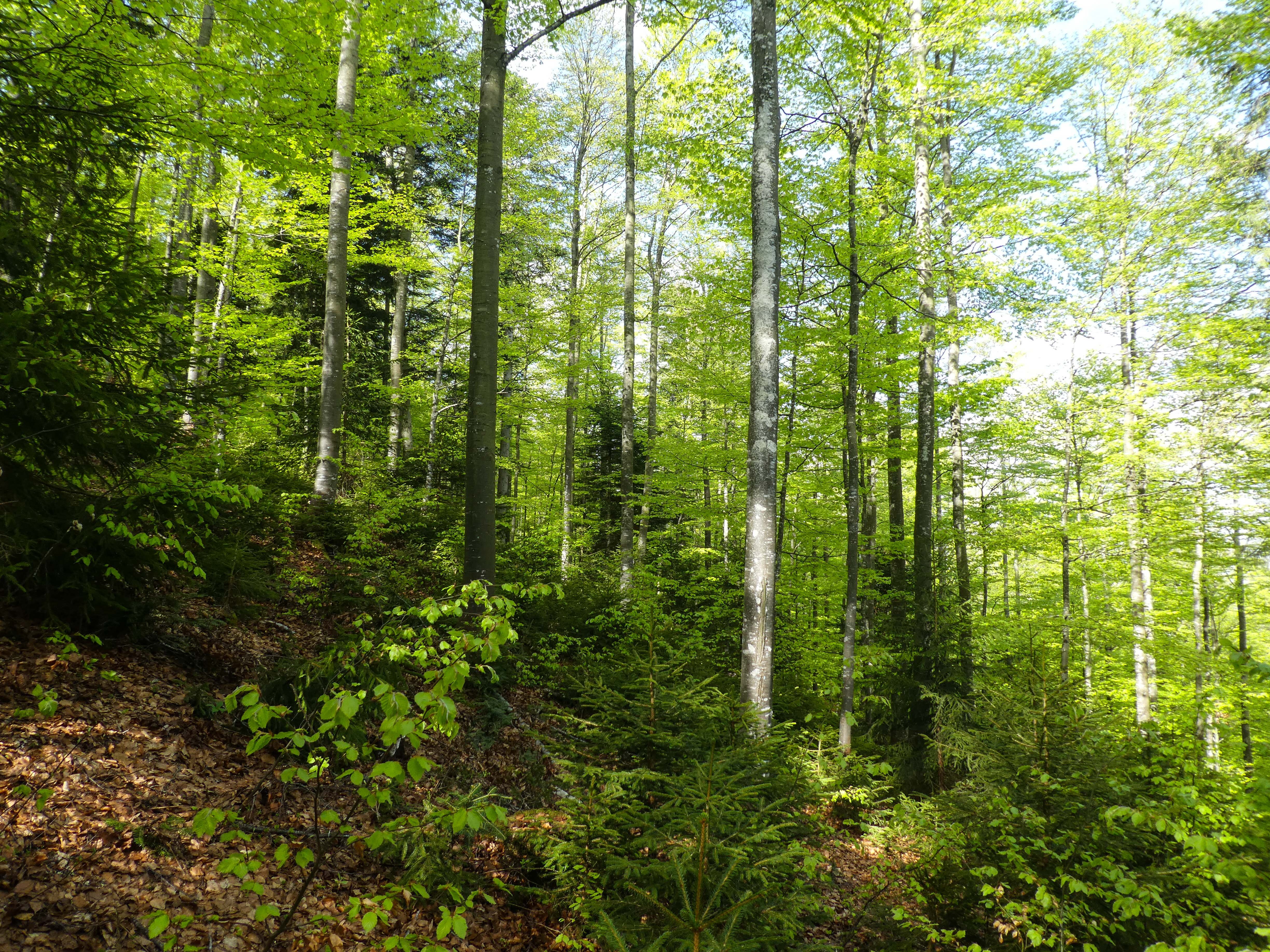
Toward the end of the 20th century, interest in continuous cover forestry grew, and WSL established numerous conversion experiments. Among the research questions addressed were how conversion to continuous cover forests can work on lower-elevation sites suited for mixed broadleaf forests with a high proportion of light-demanding tree species, and how even-aged Norway spruce stands in high-montane and alpine settings can be transitioned into mountain plenter forests with high protective functions.